GN Separation has successfully delivered a batch of sewage treatment decanter centrifuges to an overseas customer engaged in large-scale wastewater treatment operations. This project once again demonstrates GN Separation’s capability to provide reliable, customized separation equipment that meets stringent international standards while addressing complex, real-world operating conditions. Continue reading
Monthly Archives: December 2025
Sludge Dewatering Screw Press Package for South America Client
GN Separation recently arranged for the shipment of a comprehensive sludge dewatering screw press package to a client in South America. This system has been meticulously crafted for sludge thickening and dewatering in wastewater treatment processes, with the primary goal of enhancing the client’s sludge management efficiency and overall operational effectiveness.
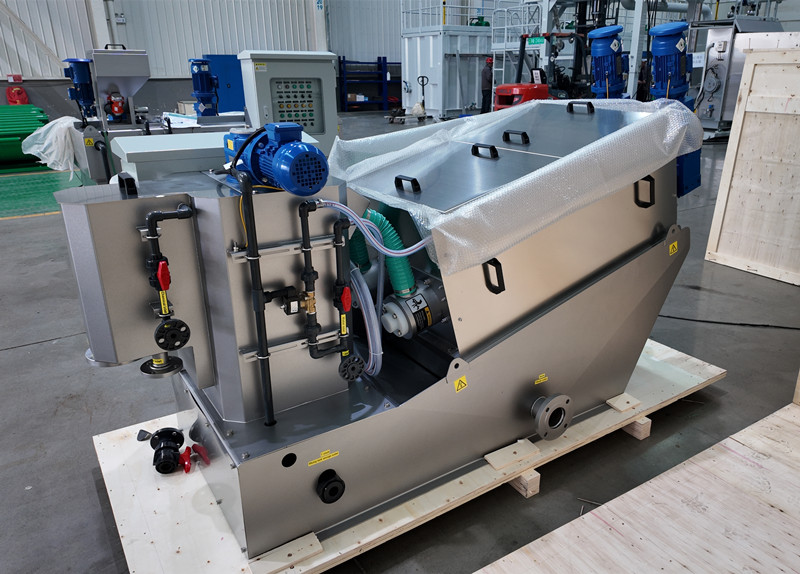
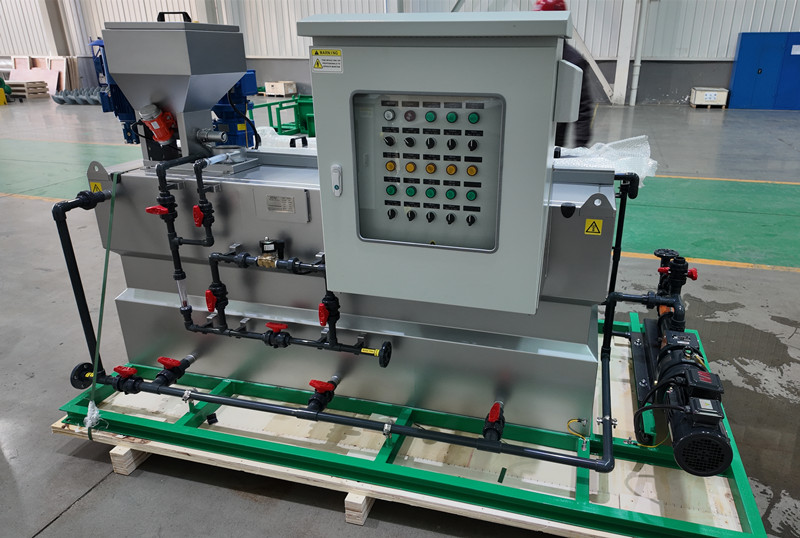
The package is mainly composed of a GN Screw Press GNDL202 and a Chemical Dosing Unit GNZJY1000, which together form a cohesive sludge dewatering solution. Responding to the specific demands of the project, GN Separation oversaw the system-level design, equipment fabrication, and factory inspection prior to dispatch. This approach underscores the company’s proficiency in delivering complete sludge dewatering systems, rather than merely individual components.
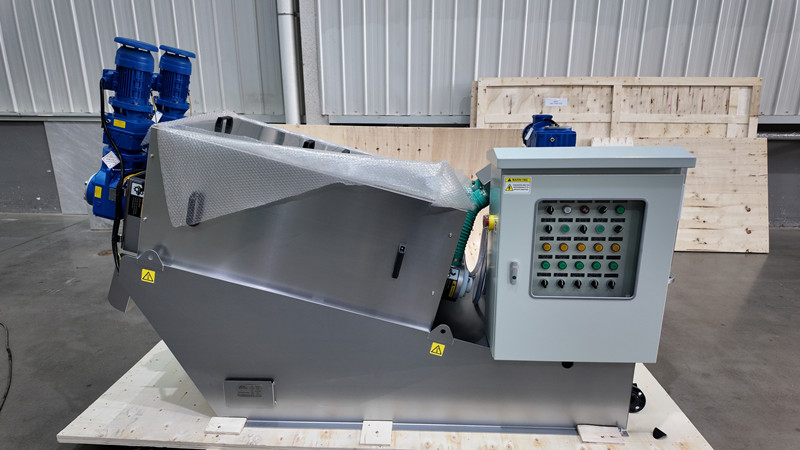
The GN screw press sludge dewatering machine is acknowledged as a cost-efficient and environmentally conscious choice for sludge dewatering, frequently utilized in both municipal and industrial wastewater treatment endeavors. It operates on the principle of screw extrusion dewatering. As the sludge is propelled forward by the screw shaft, the escalating internal pressure, created by the varying screw diameter and pitch, coupled with the narrow gaps between the fixed and floating rings, facilitates continuous solid-liquid separation at a relatively modest rotational speed.
In contrast to conventional high-speed dewatering equipment, screw press technology is often favored for scenarios that demand stable operation, reduced noise levels, and straightforward maintenance. Its design enables uninterrupted sludge thickening and dewatering in a single, continuous process, rendering it well-suited for prolonged operation amidst fluctuating sludge conditions.
The GNDL202 screw press supplied for this project integrates sludge thickening and dewatering capabilities within a compact framework. Its enclosed design aids in odor containment and fosters a cleaner working atmosphere. The equipment can be adjusted to accommodate diverse sludge characteristics, allowing operators to optimize performance during actual operation.
To guarantee effective flocculation, the system incorporates the GNZJY1000 chemical dosing unit, which handles polymer preparation, maturation, and dosing. Flocculation plays a pivotal role in sludge dewatering, influencing separation efficiency and the characteristics of the dewatered sludge cake. The dosing unit is designed to maintain a consistent polymer concentration and dosing rate, thereby bolstering process control and operational adaptability.
From a systemic perspective, the GN dewatering screw press package includes a fully automated control cabinet, a flocculation modulation unit, a sludge thickening and dewatering module, and a filtrate collection tank. Leveraging automatic control technology, the system can orchestrate flocculation, sludge thickening, and extrusion dewatering in a continuous and harmonized fashion. The separated filtrate can be gathered and either recirculated back into the treatment system or discharged, depending on the specific site requirements.
This project serves as a testament to GN Separation’s vast expertise in the design and manufacture of sludge dewatering systems. By amalgamating mechanical equipment, control systems, and process considerations, GN endeavors to provide practical and reliable solutions tailored to the unique needs of its customers. Prior to shipment, the system underwent a rigorous factory inspection to verify equipment condition and system integration.
The delivery to South America highlights GN Separation’s burgeoning presence in international markets, where the demand for efficient sludge treatment solutions is steadily increasing. Such systems are applicable in municipal wastewater treatment facilities, food and beverage processing plants, and other industrial sectors that generate biological or mixed sludge.
Looking ahead, GN Separation will persist in prioritizing system integration, product enhancement, and technical support for its global customer base. Through close collaboration with clients and partners, GN aims to further refine its sludge dewatering solutions to meet a broad spectrum of project requirements across various regions.
GN Double-layer Banana Screen for Iron Ore Application
With the continuous development of the global mining industry, iron ore processing plants are facing increasingly stringent requirements for higher throughput, improved screening efficiency, and extended equipment service life. Against this background, banana vibrating screens have become a preferred solution for iron ore classification, thanks to their large processing capacity, multi-slope screening design, and excellent separation performance. Continue reading
GN Double-layer Banana Screen for Iron Ore Application
As the global mining sector experiences sustained growth, iron ore processing plants are grappling with escalating demands to ramp up throughput, elevate screening efficiency, and prolong the service life of their equipment. In the face of these formidable challenges, banana vibrating screens have risen to prominence as the preferred solution for iron ore classification, owing to their impressive processing capacity, innovative multi-angle screening design, and outstanding separation capabilities.
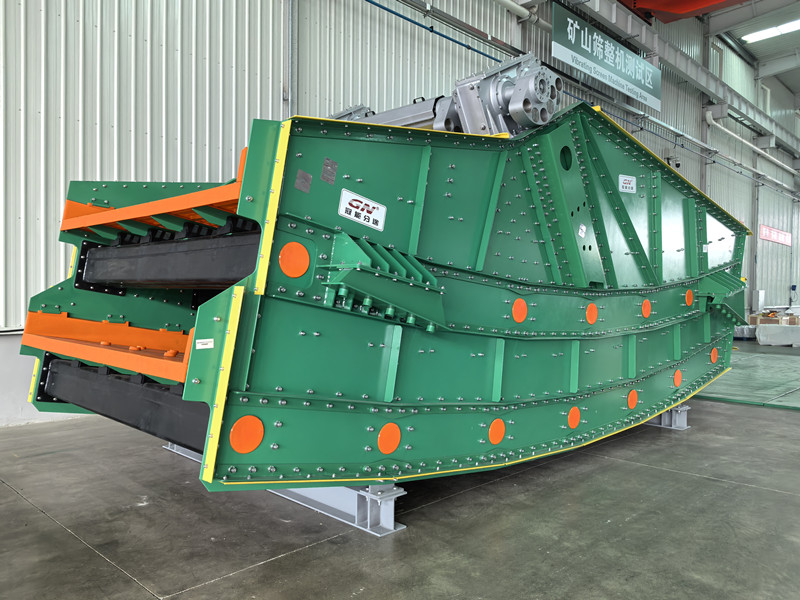
GN Separation has recently completed the production of a Double-Layer Banana Vibrating Screen (Model GNBD3073), specifically engineered for an iron ore classification endeavor. The equipment is primed for dispatch and on-site installation, serving as a shining example of GN’s engineering excellence in heavy-duty screening applications.
The GNBD3073 banana screen is meticulously crafted to endure the rigorous demands of mining operations, encompassing high impact loads, abrasive materials, and uninterrupted use. Its side wallboards feature a non-welded construction, utilizing high-strength alloy steel plates celebrated for their exceptional impact toughness. Rather than relying on conventional welding, imported Huck rivets are employed for hydraulic tension assembly, effectively eradicating welding residual stress and substantially enhancing structural reliability and fatigue resistance.
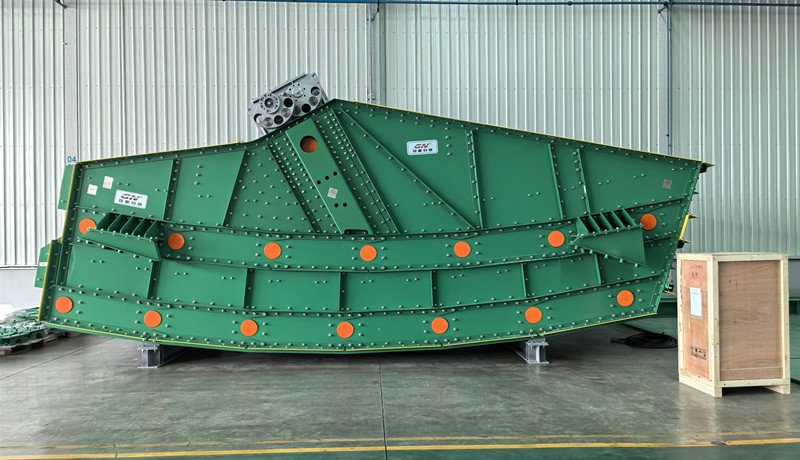
To guarantee stable operation and an extended service life, GN engineers harnessed the power of finite element analysis (FEA) to refine both the structural design and vibration parameters. This rigorous approach enables the screen to avoid natural frequencies at all operational stages, mitigating the risk of resonance and minimizing vibration-induced damage, thereby prolonging the equipment’s overall lifespan.
Beneath the screen deck, the cross beams are ingeniously designed with rectangular tubes, providing a sturdy and stable support framework. Conversely, the excitation beam box showcases a lightweight design without sacrificing strength or toughness. Key welded components undergo post-welding heat treatment to alleviate stress and bolster long-term operational stability.
For enhanced resistance to wear and corrosion, the beam surfaces are coated with polyurea using cutting-edge spray equipment imported from the United States. Furthermore, rubber protective components are strategically positioned in areas susceptible to intense impact and abrasion. These measures collectively fortify the screen’s resilience against erosion and wear, ensuring dependable performance in the demanding realm of iron ore screening.
The GNBD3073 is propelled by a high-efficiency helical gear box-type exciter, which generates a colossal excitation force while maintaining minimal noise levels and stable operation. The exciter is meticulously engineered for longevity and reduced maintenance requirements. Its eccentric blocks are situated outside the exciter box, granting operators the flexibility to effortlessly adjust the vibration amplitude by modifying the counterweight configuration to accommodate diverse materials and process conditions.
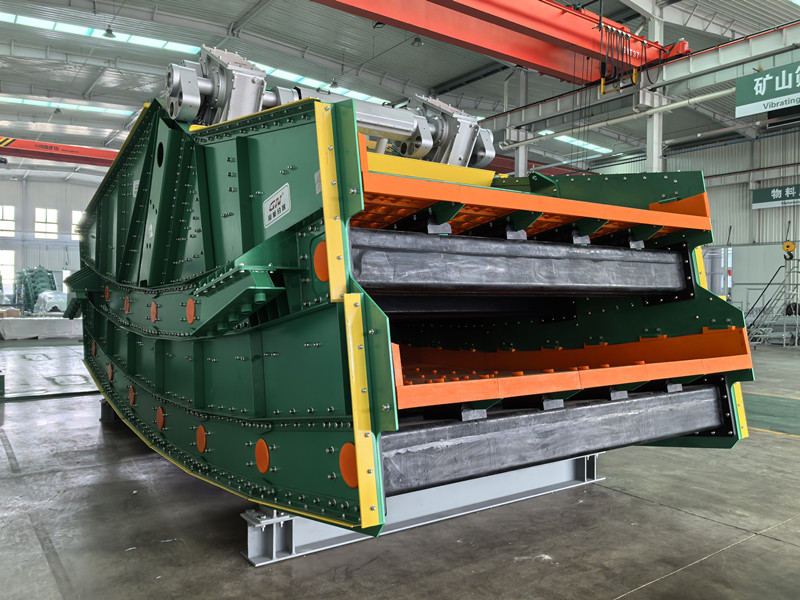
To cater to a broad spectrum of customer needs, GN banana vibrating screens are offered as a versatile series of products adaptable to various production capacities and process flows. The screen incorporates modular polyurethane screen panels, renowned for their exceptional wear resistance, versatility, and rapid replacement capabilities. This modular design significantly slashes downtime and curtails overall operating and maintenance costs for customers.
With this triumphant application in iron ore processing, GN Separation reiterates its unwavering commitment to delivering high-efficiency, reliable, and cost-effective screening solutions to the global mining industry. GN remains steadfast in its pursuit of technological innovation and product optimization, continuously endeavoring to provide advanced vibrating screening equipment that empowers customers worldwide to achieve efficient and sustainable mineral processing operations.
What Are the Characteristics of a Decanter Centrifuge?
A Decanter centrifuge is a continuous solid–liquid separation machine that uses centrifugal force to remove solids from liquids. It is widely used in wastewater treatment, oil and gas, mining, chemical processing, and food industries due to its high efficiency, compact design, and low maintenance requirements. Continue reading
GN Trash Screen Used for Impurity Removal before Iron Ore Flotation
GN Separation has recently provided its high-performance Trash Screen system to an iron ore beneficiation project, aiming to eliminate impurities before the flotation process. In today’s mineral processing industry, ensuring the cleanliness and stability of flotation feed is vital for producing higher-grade concentrates and ensuring smooth plant operations. The GN Trash Screen is precisely designed for this task, offering reliable separation of unwanted debris from valuable ore and assisting operators in maintaining optimal process efficiency.
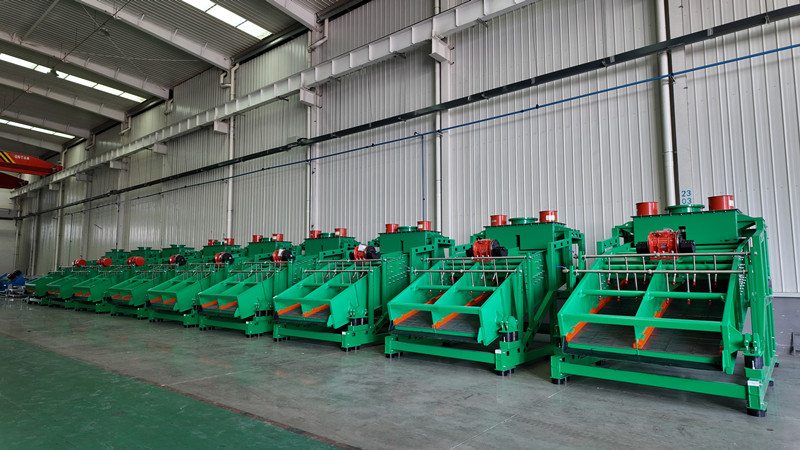
Throughout the mining and transportation of iron ore, various impurities inevitably find their way into the raw material flow. These impurities encompass plant roots, bark, twigs, plastic pieces, blasting fuse remnants, and other foreign objects that can hinder flotation performance. If not removed in advance, these impurities can clog flotation cells, reduce aeration effectiveness, disrupt reagent dispersion, and ultimately lead to inconsistent recovery rates. In severe scenarios, they may even require shutdowns for cleaning, resulting in production downtime. The GN Trash Screen is engineered to prevent such issues by implementing an efficient pre-screening step that protects the flotation circuit.
The GN Trash Screen is equipped with a sturdy vibratory mechanism that generates high-frequency screening motion, enabling quick material stratification and effective impurity removal. When paired with specially crafted screen panels, the equipment ensures accurate classification and consistent screening precision. These screen panels are made from wear-resistant materials capable of handling abrasive iron ore slurry, providing a prolonged service life and minimizing maintenance requirements. Even under heavy operational loads, the screen maintains a stable throughput and delivers exceptional dewatering and separation capabilities.
Another notable advantage of the GN Trash Screen is its simple design and ease of use. The machine is designed for effortless integration into existing beneficiation lines, and its open structure allows for easy access during inspections and routine maintenance. This enhances overall plant reliability and helps operators reduce unplanned downtime. By eliminating oversized contaminants early in the process, the Trash Screen not only safeguards flotation equipment but also enhances the stability of downstream processes and decreases the likelihood of operational interruptions.
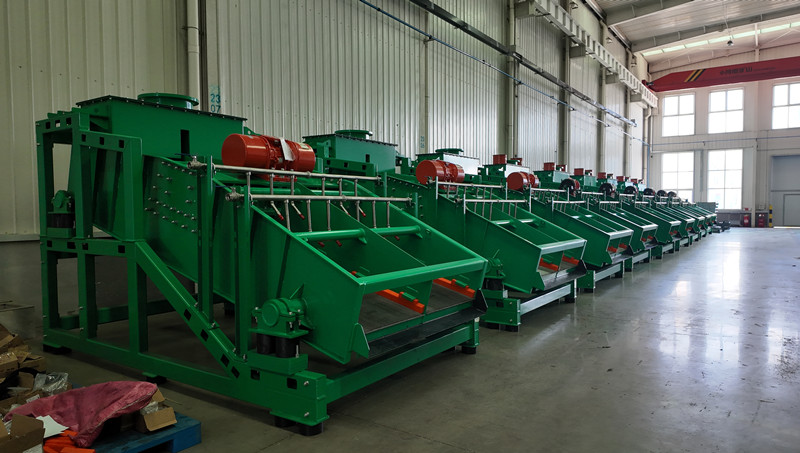
With cleaner feed entering the flotation circuit, the quality of the final iron concentrate can be significantly enhanced. Stable flotation conditions lead to more efficient reagent consumption, improved recovery rates, and more consistent product quality. For plants aiming to optimize production efficiency, lower operating costs, and maintain high output stability, GN’s impurity-removal solution offers a substantial performance boost.
GN Separation continues to focus on advancing screening and solid-liquid separation technologies tailored to the mining and mineral processing industry. The successful deployment of the GN Trash Screen in iron ore flotation preparation highlights its dedication to providing reliable, high-quality equipment that meets the stringent demands of global beneficiation operations.
GN Trash Screen Used for Impurity Removal before Iron Ore Flotation
GN Separation has recently supplied a high-performance Trash Screen to an iron ore beneficiation project, where it plays a crucial role in impurity removal prior to the flotation stage. In modern mineral processing, maintaining a clean and consistent flotation feed is essential for achieving higher concentrate grades and ensuring stable plant operation. Engineered specifically for this purpose, the GN Trash Screen provides dependable separation of unwanted debris from valuable ore, helping operators safeguard process efficiency and equipment reliability. Continue reading
GN Delivers 7 Units Decanter Centrifuge for Chemical Salt Dewatering
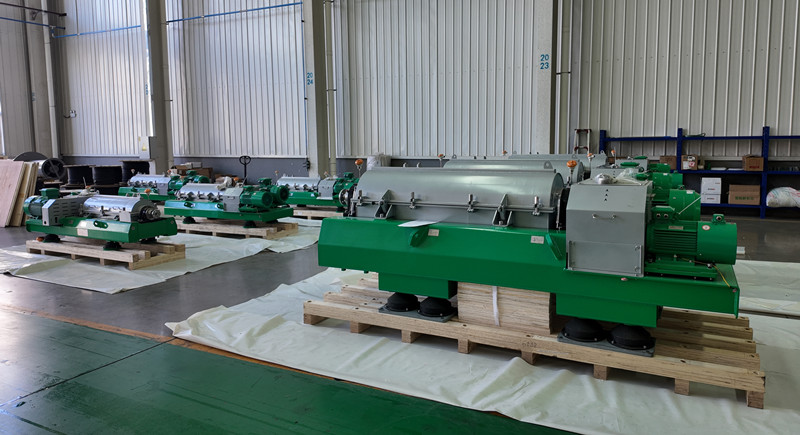
GN Separation is overjoyed to announce the recent dispatch of seven decanter centrifuges to a customer engaged in the chemical processing industry, with a particular focus on chemical salt production. These centrifuges are poised to assume a pivotal role in the continuous dewatering of a diverse range of inorganic chemical salts, a process that is highly dependent on efficient solid-liquid separation and unwavering reliability.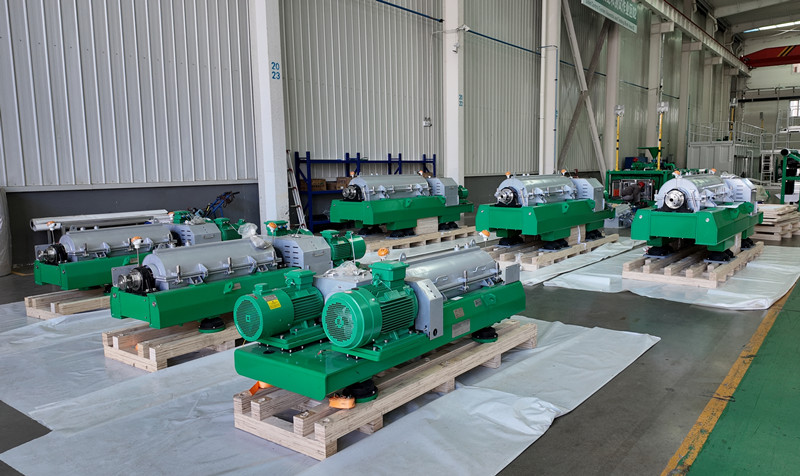
Chemical Salt Production Process and Equipment Significance
The production of chemical salts typically involves a series of steps, including crystallization, washing, and separation. The performance of the dewatering equipment during these stages has a direct and profound impact on the purity of the final product, the overall production efficiency, and the stability of the entire plant. GN’s decanter centrifuge solutions have been crafted with meticulous attention to detail, specifically designed to excel in these demanding conditions.
Distinctive Challenges in Chemical Salt Dewatering
Dewatering chemical salts poses unique challenges for centrifuges due to the inherent properties of the materials involved. Salts such as sodium chloride, potassium chloride, sodium sulfate, and ammonium salts are known for their high density, sharp crystal edges, and corrosive chemical nature. These characteristics demand centrifuges that can withstand high levels of abrasion, resist corrosion caused by chloride-rich brine, and maintain stable operation under the intense conditions of high G-forces.
To overcome these challenges, GN’s chemical decanter centrifuges are constructed using duplex stainless steel or equivalent anti-corrosion materials for all key components that come into contact with the process fluid. Critical wear surfaces are further reinforced with tungsten carbide, ensuring exceptional long-term durability. This robust construction enables the equipment to operate continuously with minimal maintenance, which is an absolute necessity for chemical plants that operate around the clock.
Superior Separation Performance
During the dewatering process, the centrifuge is tasked with efficiently separating a large volume of crystal slurry while minimizing the moisture content of the discharged solids. Achieving the right level of dryness is not only crucial for enhancing product quality but also significantly reduces the energy consumption of downstream drying systems.
GN decanter centrifuges are equipped with high rotational speeds and optimized bowl designs that generate powerful centrifugal forces. This facilitates the rapid separation of crystals from the mother liquor. The stable and precisely controlled differential speed of the screw conveyor further enhances the dryness of the cake. Operators have the flexibility to fine-tune the performance based on variations in feed concentration or crystal size, ensuring consistent product quality even when production conditions are subject to fluctuations. This improved separation efficiency also leads to higher production throughput, enabling chemical plants to operate more efficiently and cut down on operational costs.
Cutting-Edge Control System for Enhanced Functionality
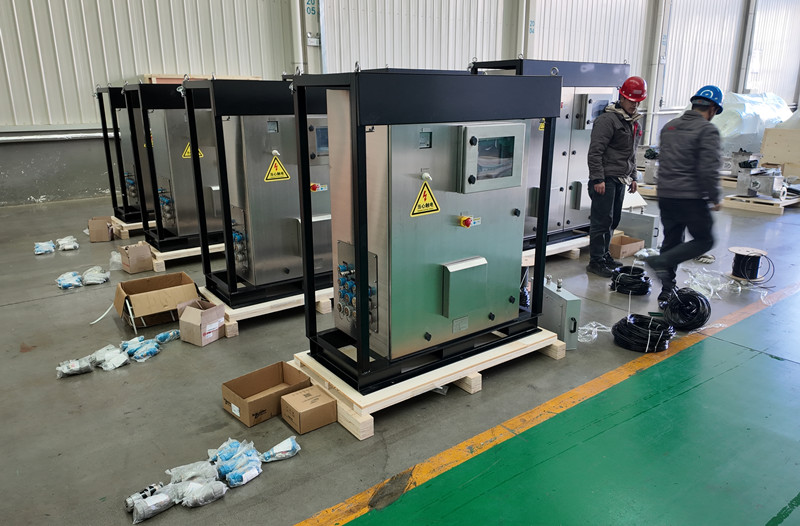
The functionality of the centrifuges is significantly enhanced when integrated with GN’s state-of-the-art control system. For the seven units delivered to the customer, GN has incorporated intelligent control technology that allows for real-time adjustments of bowl speed, differential speed, torque load, and feed rate. This high level of automation is of utmost importance in chemical salt operations, where changes in slurry density, crystal load, or temperature can have a significant impact on equipment efficiency.
The control system continuously monitors vibration, temperature, and other operating parameters, thereby enhancing operational safety and preventing potential failures. This ensures long-term stable operation, minimizing downtime and reducing maintenance costs.
GN’s Dedication to the Chemical Industry
The delivery of these seven decanter centrifuges is a testament to GN’s unwavering commitment to providing the chemical industry with world-class solid-liquid separation technologies. With extensive experience in sectors such as oil and gas, mining, industrial wastewater treatment, and environmental engineering, this project further cements GN’s position as a leading player in the chemical salt processing field.
As the demand for high-purity salt continues to grow and there is an increasing emphasis on production efficiency and reliability, GN is committed to expanding its technical capabilities. The company will persist in supplying advanced centrifuge solutions that are tailored to the specific needs of chemical manufacturers across the globe.
GN separation eagerly looks forward to the opportunity to support more customers with efficient, reliable, and durable decanter centrifuge systems for chemical salt dewatering and a wide array of other industrial separation applications.
GN Delivers 7 Units Decanter Centrifuge for Chemical Salt Dewatering
GN Separation is pleased to announce the successful delivery of seven decanter centrifuges to a chemical processing customer specializing in chemical salt production. These units will be deployed for the continuous dewatering of various inorganic chemical salts—an application that requires high-efficiency solid–liquid separation, operational reliability, and long-term mechanical durability. Chemical salt production typically involves crystallization, washing, and centrifugation stages; therefore, the performance of the dewatering equipment has a direct impact on product purity, production stability, and overall plant efficiency. GN Separation’s decanter centrifuge solutions are engineered specifically to meet these demanding industrial conditions. Continue reading