GN Separation has recently completed the manufacture and shipment of a batch of Vacuum Sludge Transfer Pumps for an overseas customer. The pumps are designed for material transfer applications involving sludge, slurry and other challenging materials where conventional pumping methods may be difficult to apply. 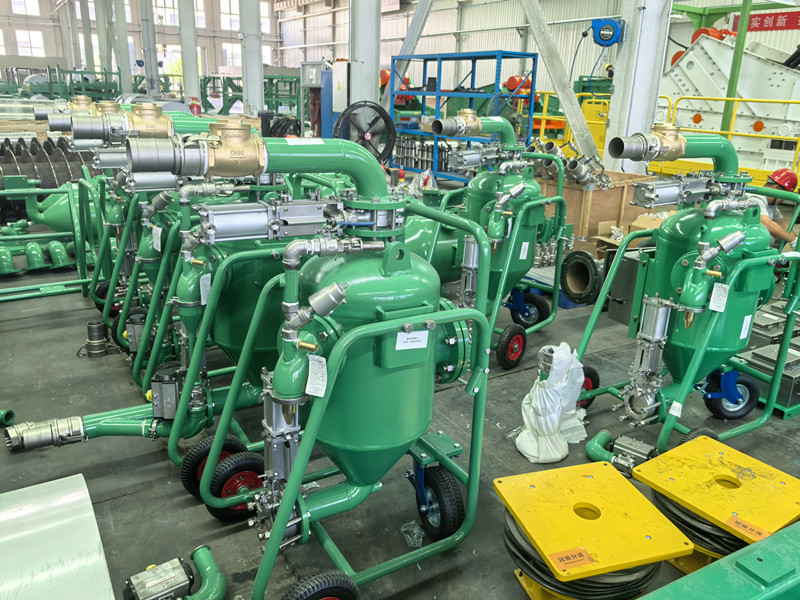
Compressed-Air Driven Sludge Transfer
Unlike conventional electrically driven pumps, GN’s Vacuum Sludge Transfer Pump uses compressed air to generate suction and transfer collected material. The material is drawn into the pump under vacuum and subsequently discharged to the required location.
This design makes the pump suitable for handling materials with relatively high solids content, viscous sludge, muck, slime and other substances with poor flowability. Since the pump does not rely on an electric motor for material transfer, it can also be considered for wet, dirty or remote working areas where minimizing electrical equipment is desirable.
Suitable for Challenging Material Handling
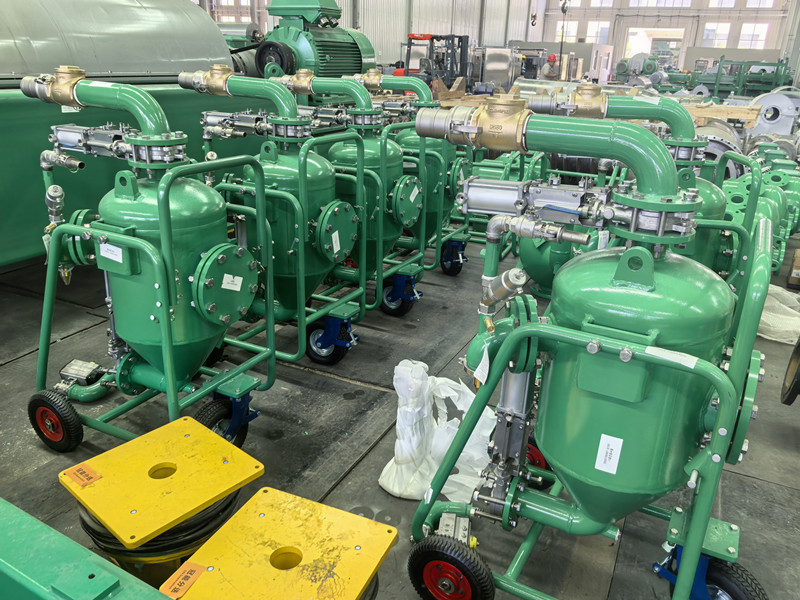
Sludge and solids handling operations can involve materials with significantly different physical characteristics. Depending on the actual application, pneumatic vacuum pumps can be used for a variety of transfer and cleanup tasks.
Typical applications include:
- Thickener and sludge de-sludging
- Tunnel and TBM operations
- Sump and shaft cleaning
- Tailings and ash pond cleaning
- Digester and pond cleaning
- Oil spill recovery and transfer
- Under-belt material cleanup
- Hazardous waste recovery
- Drilling mud and cuttings transfer
- Mining slurry transfer
- Offal transfer
The pneumatic operating principle provides flexibility for applications where sludge or solids need to be collected from confined, wet, contaminated or otherwise difficult-to-access areas.
Pump Selection Based on Actual Working Conditions
For high-solids sludge transfer, pump selection cannot be based on flow rate alone. Important parameters include the material composition, solids concentration, particle size, viscosity, required transfer capacity, suction distance, discharge distance and elevation difference.
These factors can have a significant effect on the actual transfer performance. Therefore, GN Separation evaluates the operating conditions of each application before recommending a suitable pump model.
This approach is particularly important for materials containing a high proportion of solids or large, irregular or abrasive particles.
GN Separation for Sludge and Solids Handling
The latest shipment adds to GN Separation’s experience in providing sludge transfer, solids handling and separation equipment for overseas industrial applications.
In addition to pneumatic sludge transfer pumps, GN Separation provides equipment for sludge dewatering and solids separation, supporting applications in wastewater treatment, oil and gas, mining, tunneling, industrial waste management and other environmental industries.
For applications involving difficult-to-pump sludge, slurry or high-solids materials, GN Separation can review the material and operating conditions and recommend an appropriate pneumatic transfer solution.