Tag Archives: Decanter centrifuge

Guidelines for the Safe Use of Decanter Centrifuges

Proper handling and maintenance of decanter centrifuges are essential to ensure safety and efficiency. Uncontrolled centrifugal force can cause significant damage, so careful attention to operational procedures is critical. Although decanter centrifuges are straightforward to use, adhering to proper guidelines can prevent malfunctions and costly delays. Continue reading

Key Considerations for Operating Decanter Centrifuges

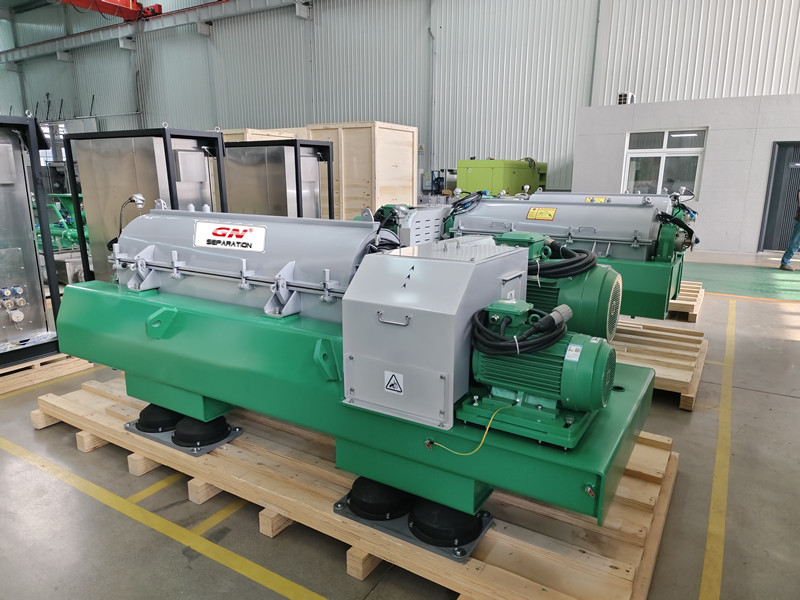
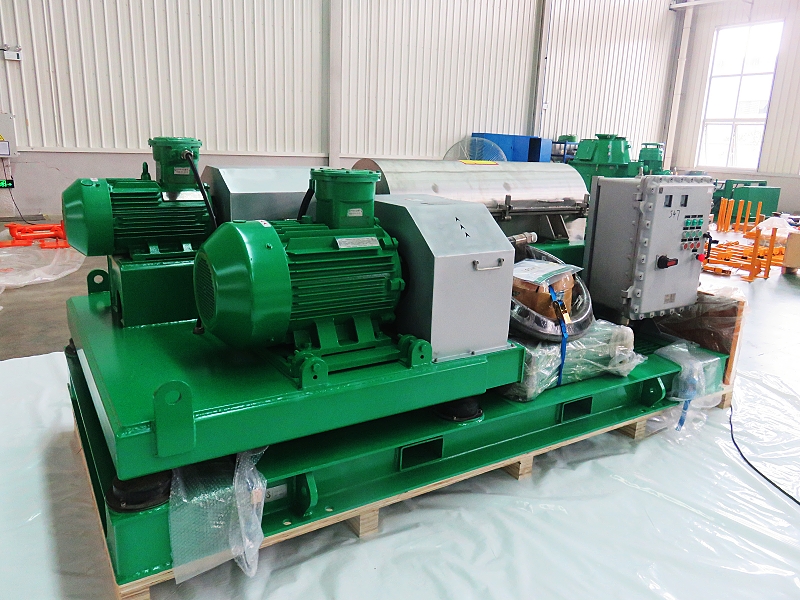
Decanter centrifuges, known for their efficient separation and washing capabilities under centrifugal force, exhibit robust adaptability to various materials and are ideal for separating solid-phase particles ≥0.01mm in suspension. Their versatility has led to widespread adoption in industries such as biochemistry, fine chemicals, and pharmaceuticals. As decanter centrifuge with automatic scraper discharge and intermittent operation, they necessitate careful operation to ensure optimal performance and safety. Continue reading

How to Operate a Decanter Centrifuge Correctly

Decanter centrifuges are widely used in industrial production, and proper operation is essential to ensure efficiency, extend equipment lifespan, and minimize failures. By following the correct procedures, operators can maintain optimal performance and reduce the risk of breakdowns. Below are the key steps for operating a decanter centrifuge safely and effectively.

1. Preparation and Setup

Before starting the decanter centrifuge, it is crucial to ensure that the machine is placed on a stable, level surface and securely fixed to prevent vibrations during operation. Inspect the equipment for any visible abnormalities, loose components, or signs of wear. Once confirmed that the centrifuge is in proper condition, connect it to the appropriate power supply voltage, following the manufacturer’s guidelines.

2. Operating the Centrifuge

Once the decanter centrifuge is properly set up, install all necessary components according to the instructions. Load the material into the centrifuge chamber, ensuring it is evenly distributed to maintain balance. Close the equipment door securely, as an improperly sealed door can lead to malfunctions or safety hazards.

Set the operational parameters, including temperature, rotation speed, and runtime, according to the specific process requirements. After verifying the settings, start the centrifuge and closely monitor its operation. If any unusual noise, vibration, or irregularity occurs, stop the machine immediately and inspect the issue before continuing.

3. Shutdown and Maintenance

After the separation process is complete, shut down the centrifuge according to the recommended procedure. Wait until the machine has completely stopped before opening the door and removing the processed material.

Thoroughly clean the interior and exterior surfaces using a clean, dry cloth or a slightly damp one if necessary. Keeping the equipment clean prevents material buildup and ensures long-term efficiency. Allow the internal chamber temperature to stabilize and match room temperature before securely closing the door.

By following these correct operational procedures and performing regular inspections and maintenance, operators can optimize performance, reduce downtime, and extend the service life of the decanter centrifuge, ensuring safe and efficient processing.

Key Features of Decanter Centrifuges in Scum Processing

Decanter centrifuges have specific characteristics when utilized for scum processing that set them apart from other types of equipment. By understanding these key features, users can optimize their use of the equipment and maximize its performance. Achieving a deep understanding of these characteristics is essential for ensuring that the decanter centrifuge operates at peak efficiency in practical applications. Continue reading

The Working Principle of Sludge Dewatering Decanter Centrifuge

The working principle of sludge dewatering decanter centrifuge involves high-speed rotation of the bowl and screw in the same direction, with a specific differential speed between them. The material is continuously fed into the inner cylinder of the screw conveyor via the feed pipe, where it is then accelerated and directed into the rotating bowl. Heavier solids settle on the bowl wall, forming a layer of sediment. The screw conveyor pushes the settled solids toward the conical end of the bowl, where they are discharged through the slag outlet. Meanwhile, the lighter liquid phase forms an inner liquid ring, which overflows from the large end of the bowl and exits through the liquid discharge port.

This decanter centrifuge operates continuously, allowing for the simultaneous feeding, separating, washing, and discharging of materials. It features a compact design, stable operation, high capacity, strong adaptability, and easy maintenance. It is suitable for separating suspensions with solid particles larger than 0.005 mm and concentrations ranging from 2% to 40%. It is commonly used in industries like sludge dewatering, chemicals, light manufacturing, pharmaceuticals, food, and environmental protection.

In the field of environmental protection, the decanter centrifuge is primarily used for dewatering the sludge generated during industrial and municipal sewage treatment processes. As global environmental concerns continue to rise, the importance of decanter centrifuges has become more pronounced.

Historically, sewage and treatment plants used methods like self-sedimentation or belt filter presses to dewater and concentrate sludge. Tests show that these methods can reduce the water content of sludge from 98% to 80%, decreasing its volume by up to tenfold. Thanks to its high processing capacity, automated operation, and effective dehydration performance, the decanter centrifuge has gained widespread adoption in the environmental protection sector. In fact, decanter centrifuge sales make up about half of all centrifuge sales, underscoring its indispensable role. Globally, the sludge dewatering decanter centrifuge is often the first choice for sewage treatment equipment.

Anti-corrosion tips for decanter centrifuges

The most troublesome thing about the decanter centrifuge used in industry is the corrosion that the centrifuge has encountered in the long-term use of chemical raw materials. Now we recommend three ways to avoid or slow down the corrosion of the centrifuge.

The top of the list, the selection of the raw materials for the decanter centrifuge is very important, because different materials and separation requirements require different models. After the model and main parameters are selected, based on the corrosion resistance of different materials in different environments, the physical and chemical characteristics, cost-effectiveness and other factors are summarized, and the strength data of the parts is fundamentally determined. From the perspective of the data itself, its policy materials are safe.

Second, the organization plan of the decanter centrifuge. An excellent plan can extend the service life of the equipment and ensure the safety of the equipment. Regarding structural planning, the simplest plan to accelerate corrosion is the stress concentration tendency and the crevice environment, sometimes even though metal In the immersion solution, the corrosion rate is small; but it constitutes a gap, because the chemical and electrochemical conditions of the internal solution have changed, which will cause severe crevice corrosion.

Third, one of the fundamental ideas for controlling the corrosion of the decanter centrifuge is to block the corrosive environment. In the planning of centrifuges, exterior treatment methods are often used, such as flanges, galvanizing, chrome plating, chemical plating, etc. These methods are useful in many environments, but regarding rotating parts, it is necessary to pay attention to a main appearance: The base material and the coating are two kinds of materials, and their linear expansion coefficients are different. Different deformations will occur when the rotating parts are elastically deformed, and then a lot of micro-cracks will occur; if the aforementioned appearances exist, the corrosion will be accelerated constitute. Therefore, the appearance protection methods of rotating parts should be carefully selected.

Causes of Motor Bearing Overheating in Decanter Centrifuges

A decanter centrifuge is a widely used piece of equipment in laboratories, commonly applied in biology, chemistry, medicine, and various scientific research, education, and production settings. It utilizes the strong centrifugal force generated by the high-speed rotation of the rotor to separate solid particles from liquids or to separate liquid mixtures. It is particularly suitable for the rapid separation and analysis of trace samples.

Continue reading