The decanter centrifuge is highly effective for the liquid-solid separation, especially when the solid particles are small, the density difference between phases is minimal, and the separation is challenging. It is also suitable for separating liquid-liquid two-phase systems or liquid-solid-liquid three-phase systems. As a result, decanter centrifuges have been widely adopted across various industries. Below is an overview of the current practical applications.
Tag Archives: Decanter centrifuge
How to increase the working power of a decanter centrifuge
Decanter centrifuges are particularly effective for liquid-solid separation processes involving fine particles, minimal density differences between phases, and otherwise challenging separation tasks. They are also widely applied in two-phase (liquid-liquid) and three-phase (liquid-liquid-solid) separation scenarios. As a result, they have become an essential part of many modern industrial processes. Continue reading
Operation Management of Decanter Centrifuge
When the decanter centrifuge operates, the high-speed rotation of its drum generates a strong centrifugal force. This force drives solid particles—denser than the liquid phase—toward the inner wall of the drum, forming a solid layer (also known as the solid ring layer due to its annular shape). The liquid, having lower density and subject to less centrifugal force, remains inside the solid layer, forming the liquid ring layer. Continue reading
Decanter Centrifuge: A Key Technology for Environmental Protection Applications
Environmental protection is a fundamental national policy, and the environmental industry plays a critical role in preventing pollution, preserving natural resources, and enabling sustainable economic growth. In many countries, decanter centrifuges are widely recognized as a preferred choice for sewage and sludge treatment, offering high efficiency and automation in solid-liquid separation processes. Continue reading
How to Increase the Dewatering Efficiency of a Decanter Centrifuge
During the operation of a decanter centrifuge, many users encounter the issue of reduced dewatering efficiency. A common symptom is the prolonged dewatering time, with the resulting solids remaining too wet. This often occurs as solids accumulate inside the centrifuge bowl, affecting the separation performance and increasing cycle duration. Fortunately, there are several ways to optimize and enhance the dewatering capacity of the decanter centrifuge.
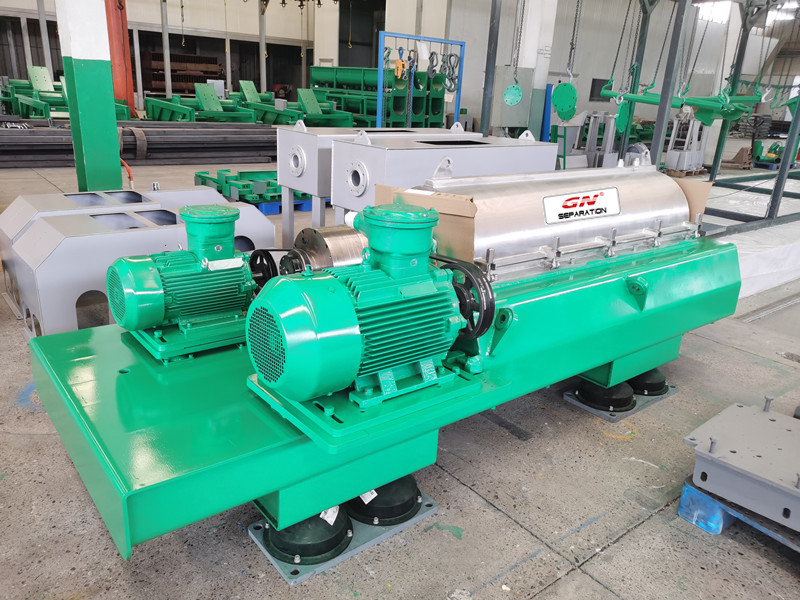
1. Increase Rotational Speed and Optimize Drum Design
One of the most effective methods is to increase the rotational speed of the centrifuge drum—within the safe operational limits and provided the materials are non-corrosive or only mildly corrosive. Higher centrifugal force promotes more efficient separation of solids from the liquid phase. Additionally, expanding the filtration surface inside the bowl can significantly enhance water discharge. For example, installing a fine mesh lining or a V-shaped filter baffle increases the permeability and accelerates the dewatering process.
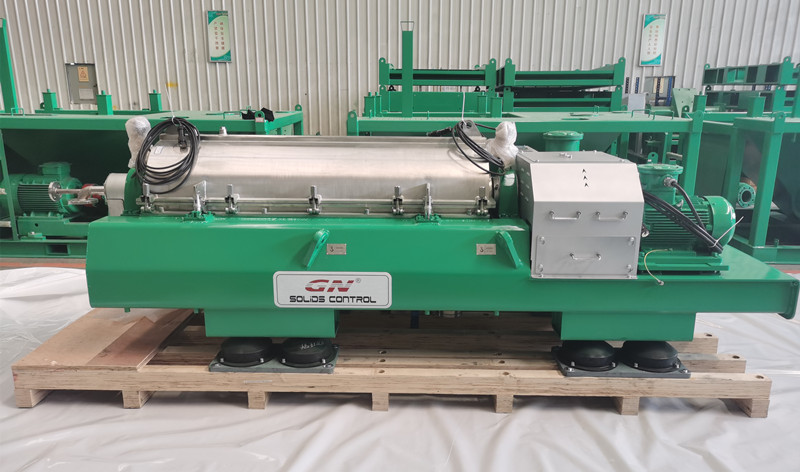
2. Reduce Material Load per Cycle
Another approach is to minimize the amount of feed material per cycle. By reducing the volume of sludge processed at one time and using a more frequent discharge cycle (i.e., “less per run, more runs”), the centrifuge can maintain optimal working conditions and improve overall performance.
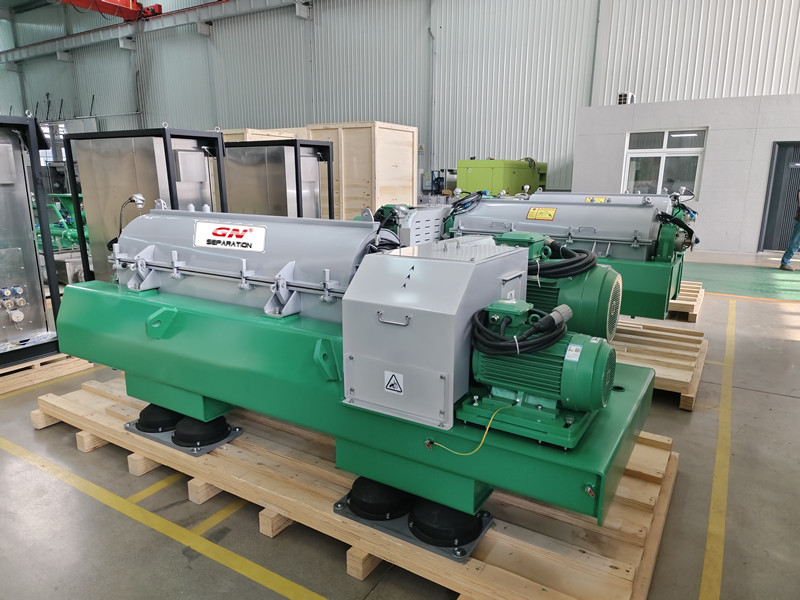
3. Modify the Material Characteristics
For viscous or fine-particle sludge, washing the feed (as allowed by the process) and increasing the particle size of the solids can help. The use of flocculants is especially critical—selecting the right type, concentration, and dosage can drastically improve the separation rate. Adjusting the flocculant’s mixing intensity and direction also contributes to a better result.
4. Fine-Tune Operating Parameters
To further boost dewatering performance, it is essential to adjust several key operating parameters:
Bowl speed
Scroll speed and differential (torque curve)
Thickness of the liquid ring layer
Flocculant properties and dosage
Solid loading rate
Field experience has shown that the liquid ring thickness and the scroll speed differential are among the most influential parameters in improving sludge dryness and reducing moisture in the cake.
Maintenance Tips for Long-Term Performance
Regular maintenance is vital to keep your decanter centrifuge running at peak efficiency:
After operation, clean the decanter centrifuge chamber and wipe away any condensed water.
Keep the machine door open after use to allow the internal temperature to return to normal.
Balance all samples before starting centrifugation to avoid mechanical stress.
Disinfect and sterilize the unit as needed, especially when handling biologically active or hazardous materials.
By optimizing both mechanical settings and material preparation, users can greatly improve the dewatering efficiency of decanter centrifuges, reduce maintenance costs, and ensure more reliable operation in demanding industrial environments.
Improving Dewatering Efficiency & Enhancing Adaptability of Decanter Centrifuges
During operation, decanter centrifuges may experience prolonged dewatering time and incomplete solid dryness, particularly as solids accumulate in the drum. This issue is common in high-solids or high-viscosity applications. So the common Issue is how to reduce the Dewatering Efficiency of decanter centrifuge.
Soy Protein Extraction Centrifuge Solution
Soybeans are recognized as a complete protein source, containing all essential amino acids required by the human body—amino acids which cannot be synthesized internally. This makes soy protein a valuable alternative to animal-based proteins, both for human consumption and livestock feed. Among the various forms, Soy Protein Isolate (SPI) is the most concentrated, boasting a protein content of up to 90% (dry basis). Continue reading
Waste Oil Recycling with Decanter Centrifuge Systems
Waste oil is generated during various stages of oil production and processing, including oilfield extraction, pipeline transportation, oil and gas gathering stations, refining operations, and oily wastewater treatment. Efficient recycling and resource recovery from waste oil is essential for both environmental protection and energy conservation.

The treatment of waste oil involves a comprehensive production process based on the principles of centrifugal separation and demulsification. A standard waste oil recycling system consists of the following subsystems: Batching System, Feeding System, Separation System, Conveying System, Control System.
After collection, waste oil is preheated using steam. Additives such as demulsifiers and surfactants are then introduced to break down emulsions and convert oily wastewater into a treatable liquid form.
Three-phase decanter centrifuge for continuous separation
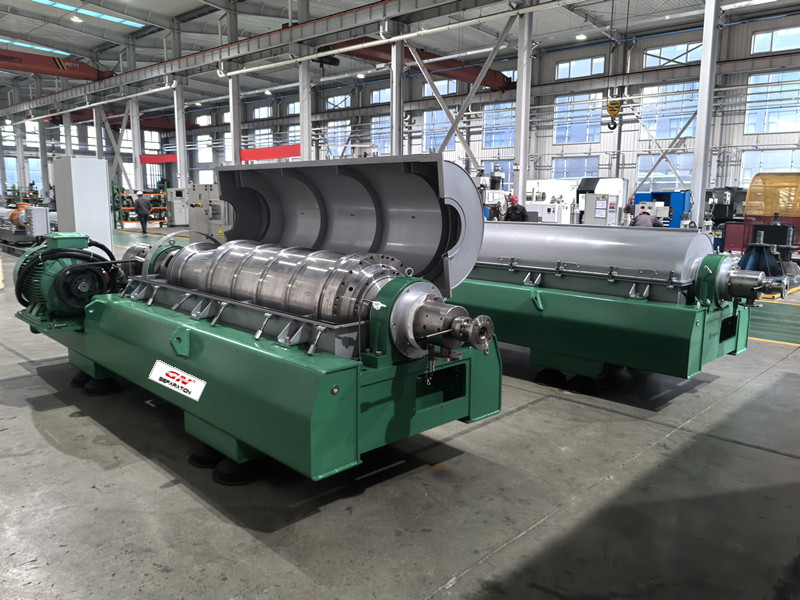
The core of the system is a high-efficiency three-phase decanter centrifuge, which enables continuous separation of oil, water, and solids (sludge) from the waste oil.
The oil phase is collected for further purification.
The water phase and oil-water mixture are transferred to a sewage treatment system.
The solid phase is partially dehydrated and may contain recoverable crude oil.
In cases where the separated oil-water mixture and undemulsified water are still complex, a two-phase decanter centrifuge is used for further dewatering.
Downstream Processing and Resource Recovery
Solid Residue: The crude oil content in the separated sludge can be recovered via thermal desorption or used directly as a low-grade fuel for combustion.
Purification: Separated crude oil undergoes secondary purification using a three-phase disc stack separator, producing refined oil suitable for reuse.
Alternative Application: Treatment of Crude Oil Oily Wastewater
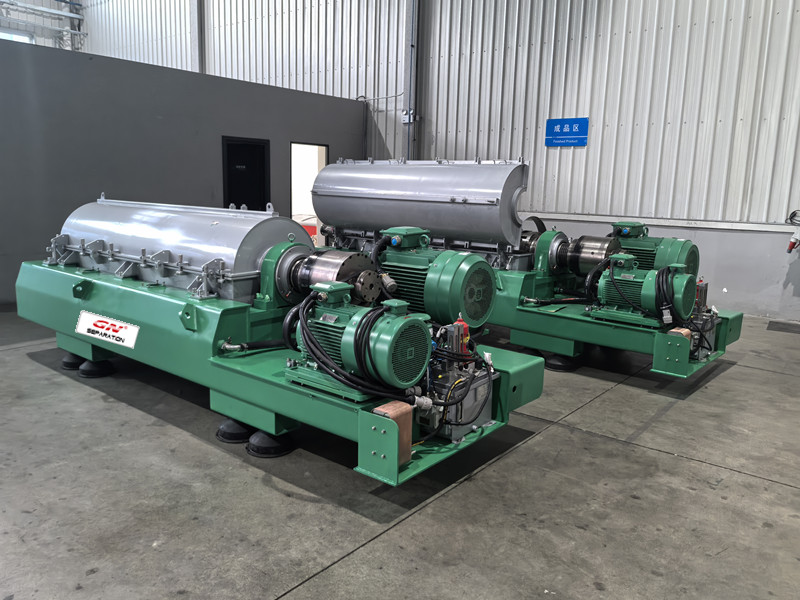
The decanter centrifuge system is also effective in processing oily wastewater generated during crude oil handling.
Traditional methods involved direct incineration post-dehydration, leading to significant loss of recoverable oil.
Now, with pretreatment techniques (adding demulsifiers and surfactants), the emulsified oily wastewater is broken down more efficiently.
Once demulsified, the wastewater is transferred to oil traps for gravity separation.
In this setup:
The floating oil is collected.
The sludge layer is further processed.
The middle layer mixture is sent to the wastewater treatment system for final disposal.
Drilling Waste (OBM) Treatment with Decanter Centrifuges
Decanter centrifuges are also used in the treatment of oil-based muds (OBM) from drilling operations. OBMs typically consist of: Base oil, Water, Organoclay, Oil-soluble treatment agents
OBMs offer advantages such as high-temperature resistance, calcium tolerance, wellbore stabilization, and reduced damage to oil and gas formations. However, the waste solids generated from equipment such as shale shakers, centrifuges, and dryers pose serious environmental risks.
Treatment Method:
High-Speed Agitation: Collected OBM wastewater is blended with demulsifiers and surfactants.
Screening: Vibrating screens remove large debris (soil, sand, plastic, gauze, etc.).
Two-Phase Centrifuge: An efficient two-phase decanter centrifuge performs continuous separation of oil, water, and solids.
Thermal Desorption: Remaining oil in the sludge is recovered through thermal desorption.
Oil Recovery: Purified oil is collected and reused.
Final residues typically contain less than 1% oil, meeting environmental safety requirements.
The integration of decanter centrifuge technology into waste oil recycling processes greatly enhances the efficiency of oil recovery, wastewater treatment, and solid waste minimization. Whether applied in crude oil processing, refinery operations, or drilling waste management, these systems offer reliable, scalable, and environmentally friendly solutions that align with modern sustainability goals.
Key Factors Affecting the Separation Performance of Decanter Centrifuge
The decanter centrifuge is a widely recognized and essential piece of equipment in various industries for continuous solid-liquid separation. Whether you’re an equipment user or managing a website related to centrifuges, it’s crucial to understand how these machines work and what factors influence their performance. This knowledge ensures correct usage, optimal efficiency, and better alignment with market and manufacturer expectations.
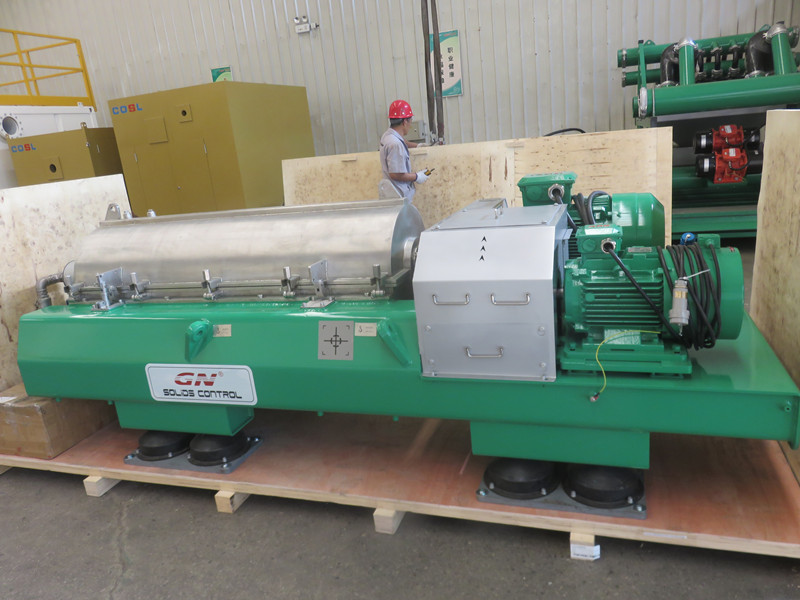
- Role and Working Principle of the Differential in decanter centrifuges
The differential is a critical component of the decanter centrifuge, responsible for creating a constant differential speed between the rotating bowl and the internal screw conveyor. This speed difference enables the screw to continuously transport separated solids (or sludge) toward the small-end discharge port, while clarified liquid exits from the large-end overflow weir.
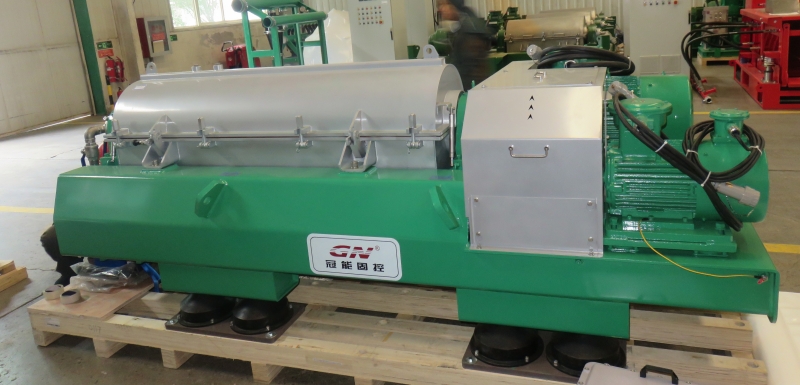
In simple terms, the differential ensures that solid particles, after being separated by centrifugal force, are moved toward the solids discharge zone, while the clarified liquid flows out separately—resulting in effective solid-liquid separation.
- Key Factors Influencing Separation Efficiency
Several factors impact the separation effect of a decanter centrifuge. Among these, material characteristics play the most significant role:
Particle size, shape, and density: Coarse and denser particles settle faster and are easier to separate than fine or light particles.
Liquid phase properties: The viscosity, density, and surface tension of the liquid affect how easily solids can settle.
Sludge consistency and concentration: High solid content or thixotropic sludge may require specific adjustments or additives.
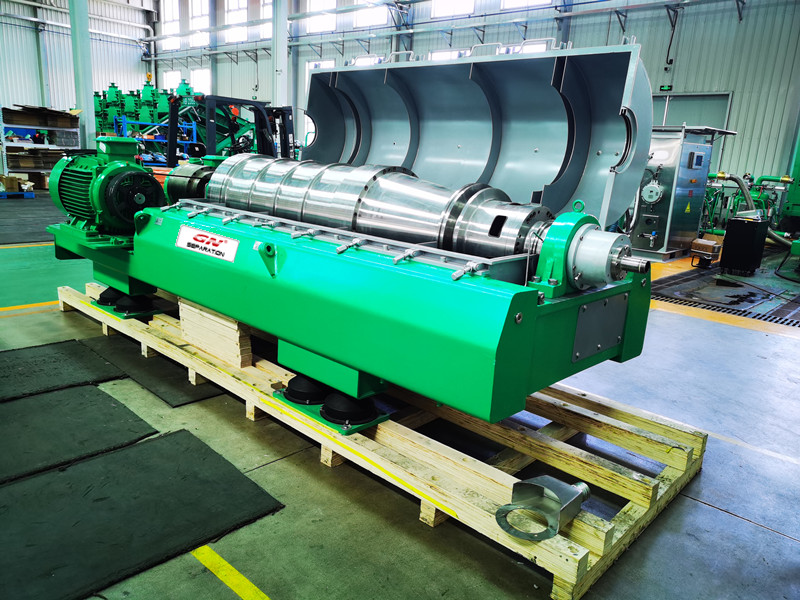
In addition to feed properties, other factors include:
Bowl speed and differential speed
Pond depth (weir plate settings)
Feed flow rate and temperature
Centrifuge design (beach angle, screw pitch, etc.)
The appropriate type of decanter centrifuge must be selected based on the nature of the feed material to ensure optimal performance.
- Decanter Centrifuge vs. Disc Stack Centrifuge: Are They Comparable?
While both are centrifuges, decanter centrifuges and disc stack centrifuges serve different purposes and operate under different principles:
Decanter centrifuge: Operates at lower centrifugal force (typically 2,500–3,500 G), ideal for high-solids slurries, continuous sludge dewatering, and industrial-scale wastewater or byproduct treatment.
Disc stack centrifuge: Operates at higher G-forces (7,000–8,000 G), better suited for clarifying liquids with very fine solids (e.g., dairy, juice, or pharmaceutical applications).
Because of these fundamental differences, the two types are not directly comparable, and each should be used in its specific application context.
- How to Improve the Efficiency of a Decanter Centrifuge
To enhance the working efficiency of a decanter centrifuge, consider the following strategies:
Optimize operating parameters:
Adjust bowl speed and differential speed to match the characteristics of the feed. A higher bowl speed increases separation force but must be balanced to avoid excessive wear or energy use.
Adjust pond depth and feed rate:
Proper weir plate settings control the pond depth inside the bowl, influencing sedimentation time and clarity. Ensure the feed rate aligns with the centrifuge’s capacity to avoid overloading.
Use chemical additives (flocculants or coagulants):
Additives can improve solid particle aggregation, making them easier to separate. This is particularly useful when dealing with fine or colloidal solids.
Install a BD (beach design) board or adjustable cone angle:
These help improve solids drying and discharge performance by optimizing the sediment discharge process.
Maintain equipment regularly:
Ensure the screw, bowl, bearings, and seals are in good condition. Consistent lubrication (preferably automated) and wear protection (e.g., tungsten carbide plating) reduce downtime and extend service life.
Conclusion
Understanding the operating principles and performance factors of decanter centrifuges is essential for effective use and maintenance. By paying attention to feed characteristics, optimizing equipment settings, and implementing smart operational strategies, users can significantly enhance separation efficiency and reduce operating costs.
Guidance on the Two Major Aspects of Decanter Centrifuge Use
Centrifuges, including decanter centrifuges, are commonly used in a wide range of industrial applications. However, proper operation is essential to ensure safety, efficiency, and equipment longevity. To help users operate the equipment correctly and reasonably, this guide outlines key recommendations from decanter centrifuge manufacturers, focusing on two main phases: before use and during operation.
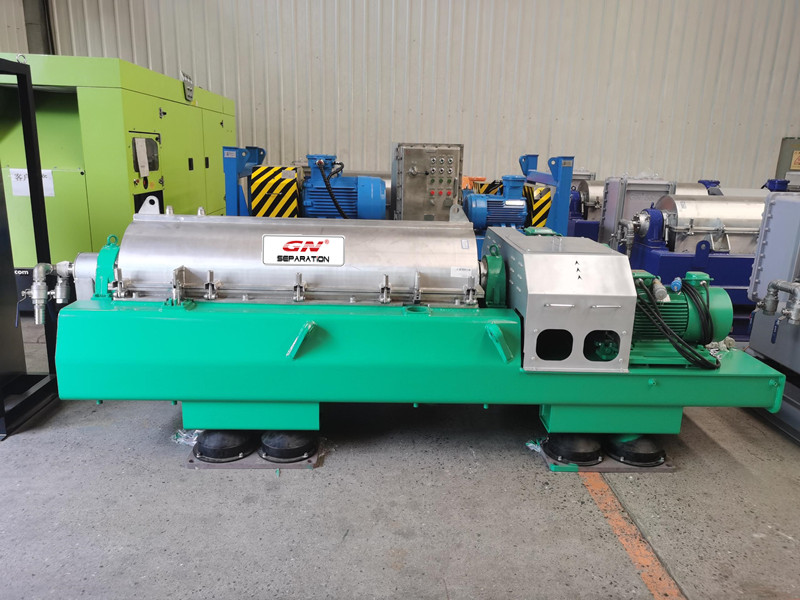
- Pre-Operation Checklist: What to Do Before Using a decanter centrifuge
Manufacturers stress that careful preparation is critical to safe and effective operation. The following steps should be followed before each use:
Positioning and Setup
Place the centrifuge on a stable, level, and vibration-free surface to ensure accurate operation and avoid mechanical stress.
Safety Precautions
Do not place any objects on the cover or control panel of decanter centrifuge.
Samples must be placed symmetrically to avoid imbalance and vibrations.
Ensure that the compression nut is properly tightened before operation to prevent components from dislodging during high-speed rotation.
Component Inspection
Check the rotor for signs of corrosion, dents, or deformation.
Inspect the bowl of decanter centrifuge for cracks, aging, or wear. If any issues are found, the unit must not be used and should be serviced by qualified personnel.
- Operational Safety: Guidelines While the Centrifuge is Running
Once the decanter centrifuge is in use, the following guidelines must be observed:
Speed and Performance
Ensure the rotation speed stays within the specified range to maintain equipment integrity and prevent accidents.
If abnormal vibrations, noises, or speed fluctuations occur, stop the machine immediately and investigate the issue before resuming operation.
Door and Lid Safety
Do not open the centrifuge door while it is in operation. Doing so can be extremely dangerous due to the high-speed rotation of internal components.
Balance and Load
Always load the centrifuge symmetrically, with equal weight in opposite positions. An unbalanced rotor can damage the machine and pose a safety risk.
Operating Time
Limit continuous operation to a maximum of 60 minutes to avoid overheating or mechanical strain.
By following these key guidelines provided by decanter centrifuge manufacturers, users can ensure safe operation and prolong the lifespan of the equipment. Proper installation, inspection, and handling—both before and during use—are essential for effective sludge separation and process reliability.
For any uncertainties or specific operational scenarios, it is always recommended to consult the manufacturer’s technical team or user manual for tailored guidance.