Tag Archives: Decanter centrifuge

Analysis of decanter centrifuge from the material nature

There are many types of Decanter centrifuge, and each type has different characteristics and scope of application. Therefore, it is a very important issue to properly select the appropriate decanter centrifuge according to certain process requirements and technical conditions. The selection of decanter centrifuge is mainly considered from two aspects. The first is the nature, composition of the separated materials, and the second is the technological requirements and economic rationality of the separation process:

I. Consider from the nature and composition of materials

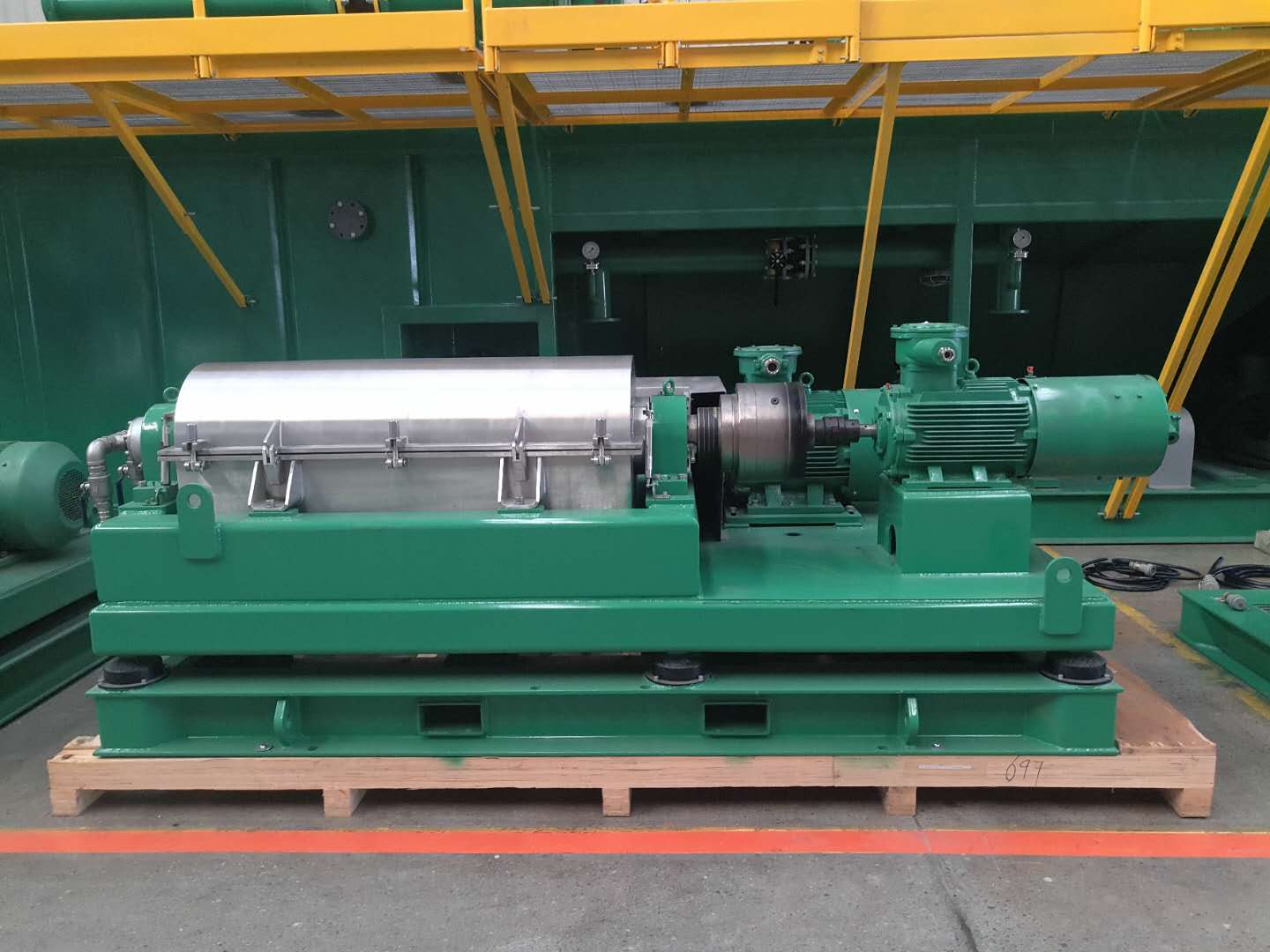
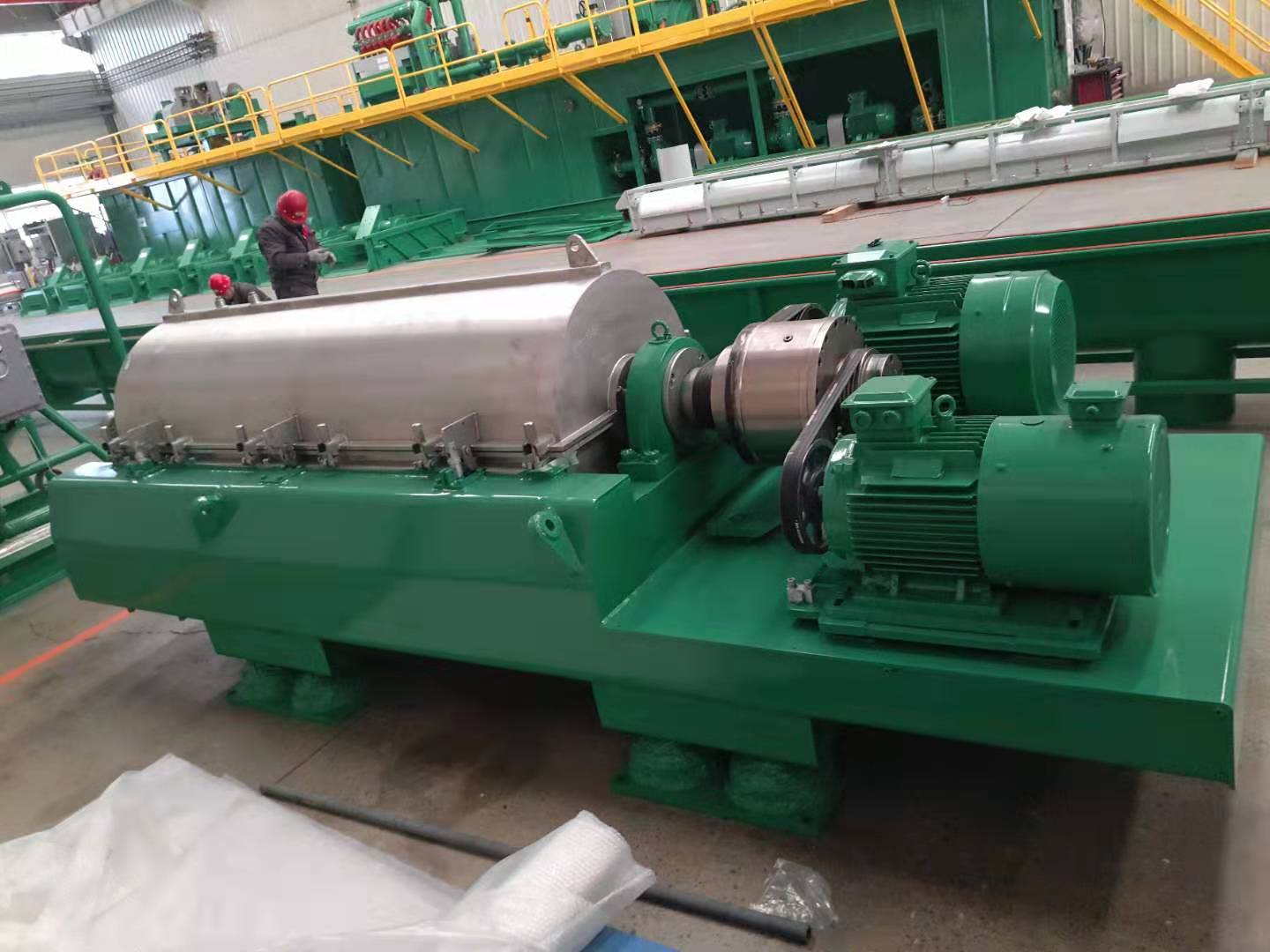
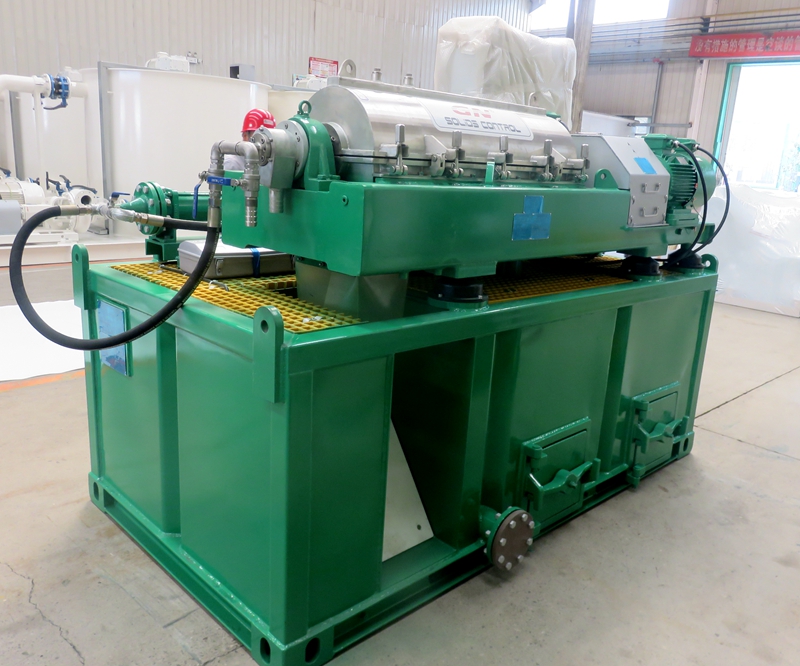
Decanter Centrifuge_GN__202012100933274

The primary basis for selection is the type of heterogeneous system that is separated. For example, for the separation of emulsions in a liquid-liquid system, the first consideration is to use a Decanter centrifuge. For liquid-solid systems, when the liquid phase of the suspension is a loose material with a low degree of solidity, large solid phase concentration, and coarse particle size (> 100um), various filter decanter centrifuges can be considered. Generally speaking, this kind of decanter centrifuge can get drier filter residue and better washing conditions. Secondly, it is necessary to further select the appropriate form for specific conditions.

If the suspension is a material with a large liquid phase viscosity and a fine solid particle size, it is easy to block the filter cloth or screen, but it is difficult to regenerate. Therefore, a centrifugal sedimentation decanter centrifuge should be used. When the solid phase concentration is large (5% to 10%), a spiral discharge sedimentation decanter centrifuge can be used. If the solid phase concentration is less than 1%, a tubular high-speed decanter centrifuge or a chamber decanter centrifuge can be used. If the solid phase concentration is 1% — 5%, a disc decanter centrifuge can be used. The automatic slag-discharging dish decanter centrifuge can obtain flowing concentrated sediment, so it is often used for solid-phase concentration. For liquid-liquid-solid three-phase systems, generally the solid content is not high, you can use a dish decanter centrifuge.
Second, from the technical requirements of the separation process
The process requirements of the separation process directly affect the selection of the decanter centrifuge. For example, the separation process requires intermittent or continuous operation. The minimum particle size of the separation, the liquid content of the filter residue, the clarity of the filtrate, the discharge method, whether the solid particles are allowed to be destroyed, and washed Requirements, the length of the operating cycle and whether automatic control is required, the degree of automatic control, etc.

In addition, there are still requirements for sealing, anti-corrosion and explosion-proof. In short, it is necessary to choose a Decanter centrifuge that is inexpensive, applicable (that is, in line with process requirements), simple to manufacture, and easy to maintain. Choose according to the main contradictions that need to be resolved and make economic comparisons. Both technical possibilities and economic rationality must be considered. Of course, according to human operation, there are also manual operation and automatic operation. Users can choose according to their needs.

Introduction of the Unregulated Mechanical Factors about Decanter Centrifuge


There are a lot of specifications about different parts of a Decanter centrifuge, the specifications can define the capability or function of a decanter centrifuge. This article  will introduce soem Unregulated Mechanical Factors about Decanter Centrifuge.

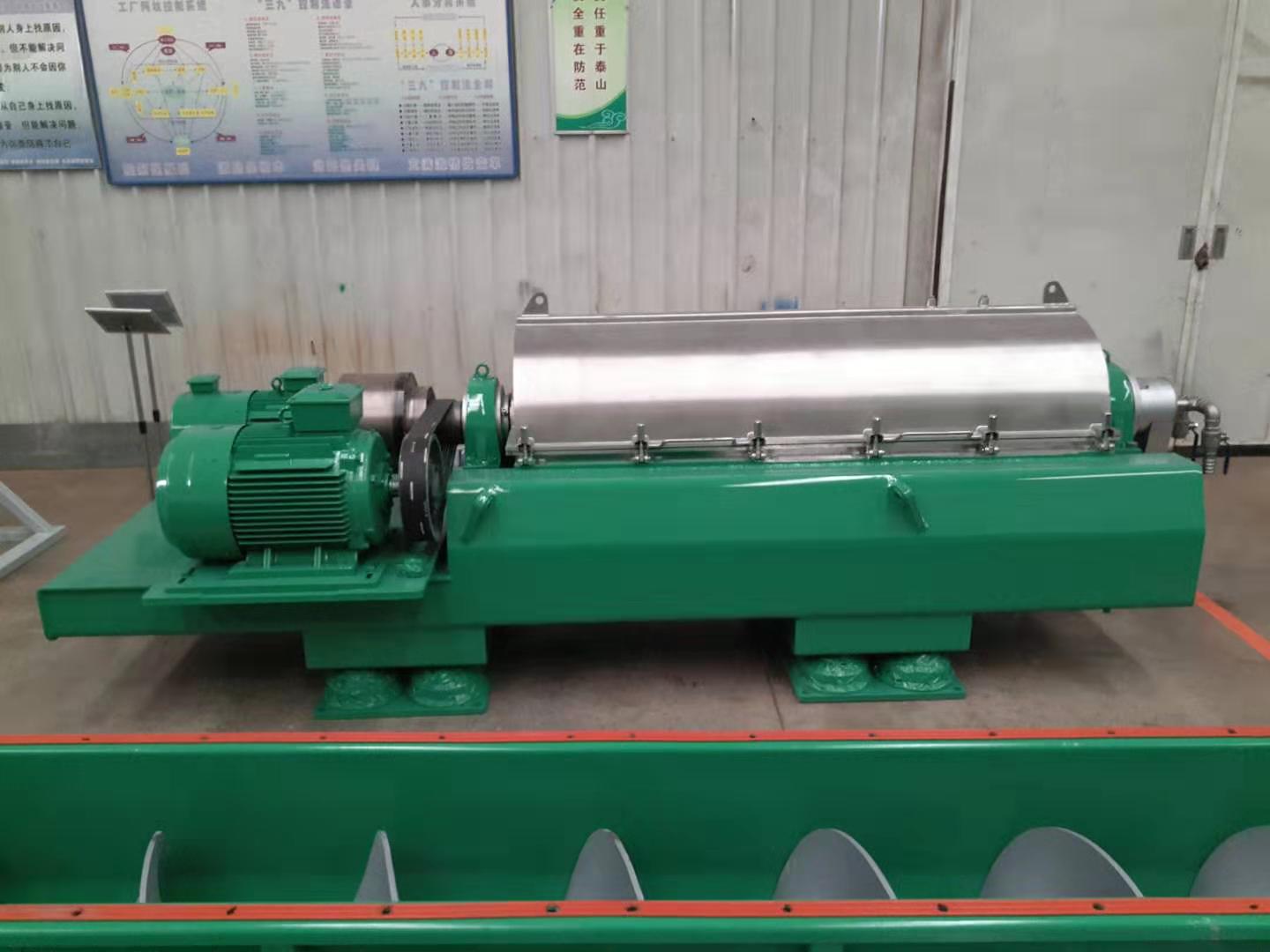
Decanter Centrifuge_GN_20201210093326

A. Drum diameter and effective length

The larger the diameter of the drum and the longer the effective length, the larger the effective settlement area will become, the larger the processing capacity. And the longer the residence time of the material in the drum. At the same speed, the larger the separation factor, the better the separation effect. However, due to the limitation of the material, the diameter of the drum of the Decanter centrifuge cannot be increased indefinitely, because the maximum allowable speed will decrease as the solidity of the material decreases, and the centrifugal force will correspondingly decrease. Generally, the diameter of the drum is between 200 and 1000 mm, and the aspect ratio is between 3 and 4. The current development of Decanter centrifuge tends to have a large aspect ratio with a high rotation speed. This Decanter centrifuge is more suitable for the treatment of low-concentration sludge, and the degree of mud biscuit is better.

In addition, in the case of the same processing capacity, the centrifuge with a large drum diameter can run at a lower differential speed, because the spiral slag conveying capacity of the large drum diameter is larger. To achieve the same slag conveying capacity, a Decanter centrifuge with a small drum diameter must be achieved by increasing the differential speed.

B. Drum half cone angle

When the sediment settled inside the drum is pushed to the discharge port along the end of the drum cone, it is subjected to the downward flow of the backflow force due to the centrifugal force. The half cone angle of the drum is an important parameter in the centrifuge design. In terms of clarification effect, the cone angle is required to be as large as possible; and in terms of slag conveying and dehydration effects, the cone angle is required to be as small as possible. Since the slag transfer is a necessary condition for the normal operation of the centrifuge, the optimal design must first meet the slag transfer conditions. For materials that are difficult to separate, such as activated sludge, the half cone angle is generally within 6 degrees, in order to reduce the reflux speed of sediment. For ordinary general materials, the half cone angle is within 10 degrees to ensure the smooth transportation of sediment.

C. Pitch

The pitch, which is the distance between two adjacent spiral blades, is an important structural parameter that directly affects the success or failure of slag transport. When the spiral diameter is constant, the larger the pitch and the larger the spiral rise angle, the greater the chance that the material will be blocked between the spiral blades. At the same time, a large pitch will reduce the number of turns of the spiral blades, resulting in uneven material distribution at the cone end of the drum and causing increased machine vibration. Therefore, for difficult-to-separate materials such as activated sludge, it is difficult to convey slag, and the pitch should be smaller. Generally, the diameter is 1/5 to 1/6 of the drum diameter to facilitate transportation. For easy-to-separate materials, the pitch should be larger, generally 1/2 to 1/5 of the diameter of the drum, in order to improve the sediment transportation capacity.

Instructions about The Use of Flocculant for Decanter Centrifuge

Sewage and sludge are often processed by Decanter centrifuge. During the process, flocculants may be added to improve the treatment effect of sewage and sludge. Which one should be used and what are the principles of dosage, generally. It can be analyzed from the aspects of sludge properties and pH value.

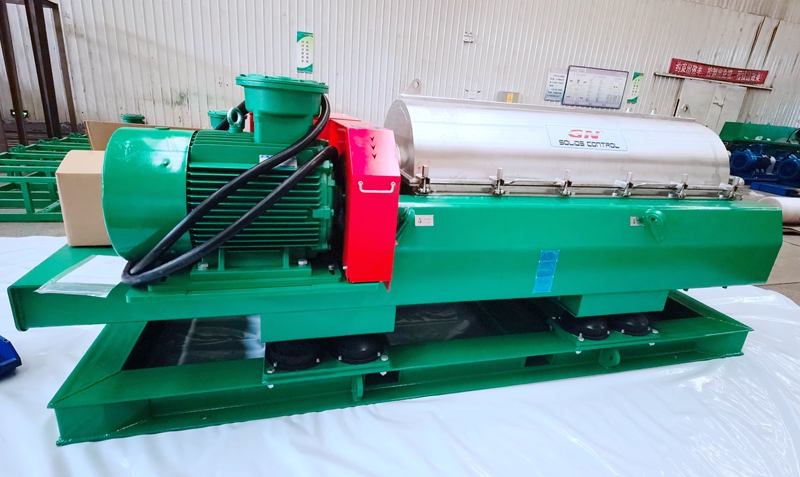
Decanter Centrifuge_202010180859124

First, the properties of sewage and sludge. The difference in its properties directly affects the sludge dehydration effect: Generally speaking, the more difficult the sludge is to dehydrate by Decanter centrifuge, the larger the amount of flocculant used. The smaller the sludge particles, the greater the amount of flocculant. The higher the organic content and alkalinity in the sludge, the greater the amount of flocculant used. Cationic organic polymers are more effective in treating sludge with high organic content. Cationic organic polymers with high organic content are preferred. For sludge mainly composed of inorganic materials, anionic organic polymer flocculants can be considered. In addition, the solid content of the sludge also affects the dosage. Generally, the higher the solid content of sludge, the greater the amount of use.

Second, the pH value of sewage, sludge. The pH of the sludge determines the form of the hydrolysate of the inorganic salts to be processed by Decanter centrifuge,. The same flocculant is used for sludge with different pH values, and the conditioning effect is also very different. The hydrolysis reaction of aluminum salt is greatly affected by the pH value, and the optimal pH value of the agglomeration reaction is 5-7. High iron salts are less affected by pH, and the optimal pH range is 6-11. In the sludge with a pH value of 8-10, the ferrous salt with higher solubility can be oxidized to Fe (0H), floc with lower solubility. Therefore, when selecting an inorganic salt, the specific pH value of the dewatered sludge must be considered first. If the pH value deviates from the optimal range of its condensation reaction, it is best to use another one. Otherwise, it is necessary to consider adding the acid or alkali to adjust the pH of the sludge before using the decanter centrifuge to treat the sludge.

Introduction of Decanter Centrifuge’s Differential Speed

The differential speed of the screw and bowl in the Decanter centrifuge directly affects the slag discharge capacity, the degree of muddy dryness, and the quality of the filtrate. It is one of the important parameters in the decanter centrifuge that needs to be adjusted according to the operating situation.

Increasing the differential speed is conducive to improving the Decanter centrifuge‘s slag discharge capacity, but the dewatering time of the sediment will be shortened, and the moisture content of the mud cake will be large after dehydration.

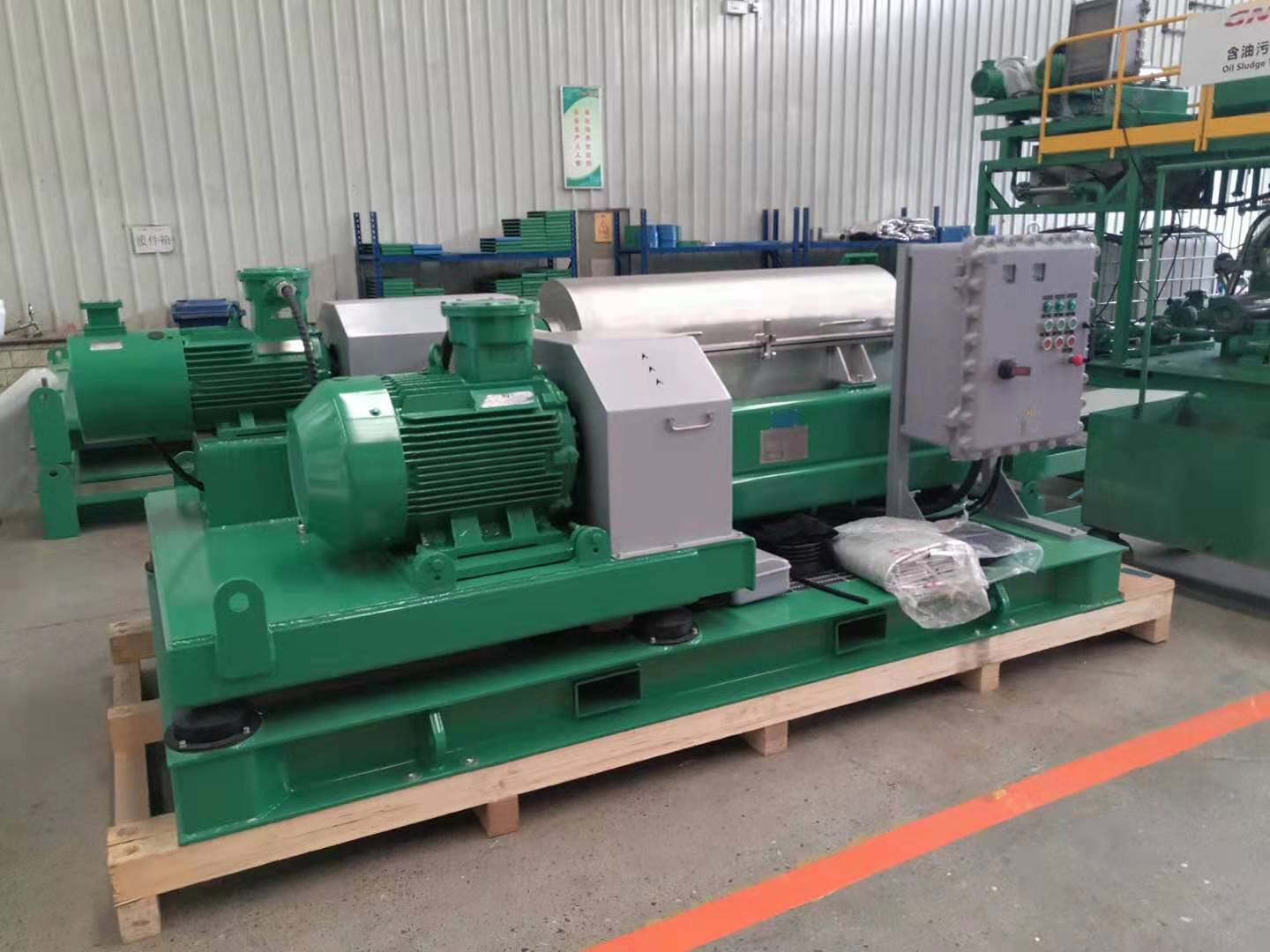
Decanter Centrifuge_202010180859127

Decreasing the differential speed will increase the thickness of the sediment, the sediment dewatering time will increase, and the moisture content of the mud cake will decrease after dehydration. At the same time, the spiral will have less disturbance to the material in the clarification zone, and the quality of the filtrate will be relatively better. To prevent the slag discharge from reducing the material blocking phenomenon caused by the sediment in the centrifuge can not be discharged in a timely manner, to prevent a large amount of mud in the filtrate, then you must reduce the amount of feed or increase the differential speed.

Some types of equipment have the function of speeding up slag discharge automatically. After the set torque reaches a certain limit value, the equipment will automatically reduce the amount of mud and medicine, increase the differential speed, and quickly push out the accumulated mud ring layer. After the torque is reduced to a certain value, the flow and difference Degrees automatically return to normal. This is a measure to effectively protect the equipment. However, in the long-term operation, this situation should be avoided frequently, because it is easy to make the decanter centrifuge often in an condition of unstable flow and unstable differential speed. The fluctuations in the process will affect the processing effect and reduce the processing capacity.

Therefore, the differential speed should be determined according to the nature of the material, the amount of processing capacity, the processing requirements and the structural parameters of the decanter centrifuge. To put it simply: there is a contradiction between the processing capacity and the processing effect. To increase the processing capacity of the decanter centrifuge, it is necessary to increase the differential speed ratio, but the degree of muddy biscuits may be reduced. Capacity, so the on-site debugging work is to find the best equipment operating conditions parameters that meet the actual sludge properties of the respective site, in order to achieve the dual purpose of the highest equipment operating efficiency and the best treatment effect. There is no simple data to calculate, only rely on long-term actual debugging to accumulate experience, and adjust in time according to changes.

At the same time, within a certain range, the control of the degree of speed difference and the control of the amount of flocculant dosing complement each other. When a certain degree of muddy dryness is required, if the degree of difference is reduced, the amount of flocculant dosing can be saved. To put it simply, increasing the pressure of equipment treatment will reduce the pressure of using flocculant. Therefore, the proper use of the lowest possible difference can reduce the consumption of flocculant to a certain extent. As the saying goes, “If the equipment works well, the medicine is saved, and if the equipment is not well operated, the medicine is spent.” It depends on the design and processing accuracy of the equipment itself, and it also involves the control of the operating parameters of the equipment.

For decanter centrifuges with automatic adjustment of differential degrees, the parameter settings of differential degrees should be determined in combination with long-term use, and amended in time according to various changes that may occur.

By the way, if you are interested in our products, please check the following items of our company on Alibaba:

Decanter centrifuge

3Phase Disc centrifuge

Sludge dewatering Screw press

Oil water separator

Centrifugal pump

Vacuum Pump

Submersible pump

3 Phase Decanter Centrifuge for tank cleaning sludge treatment to Africa

3 Phase Decanter Centrifuge for tank cleaning sludge treatment to Africa

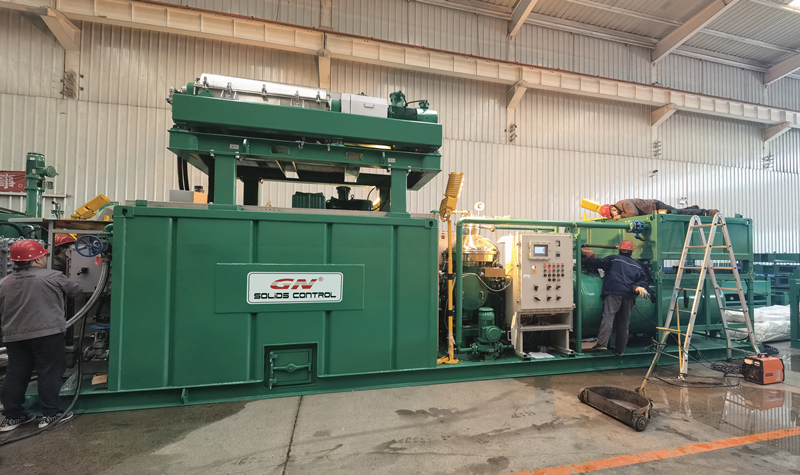
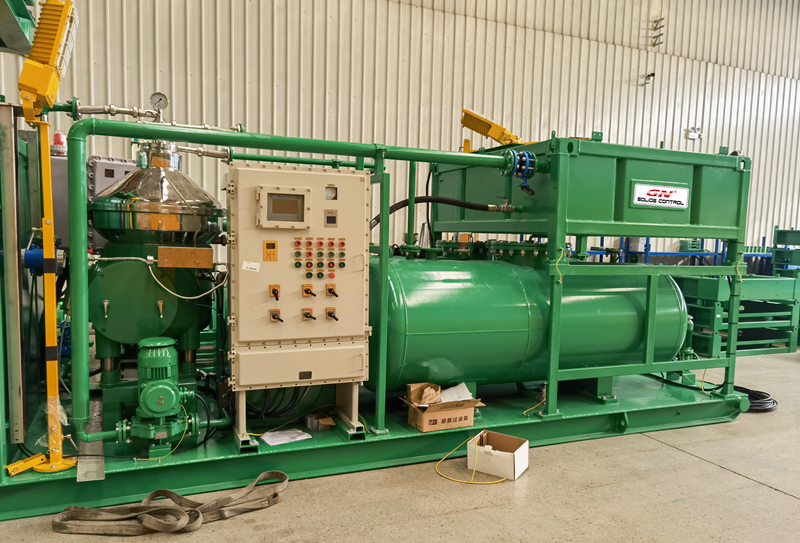
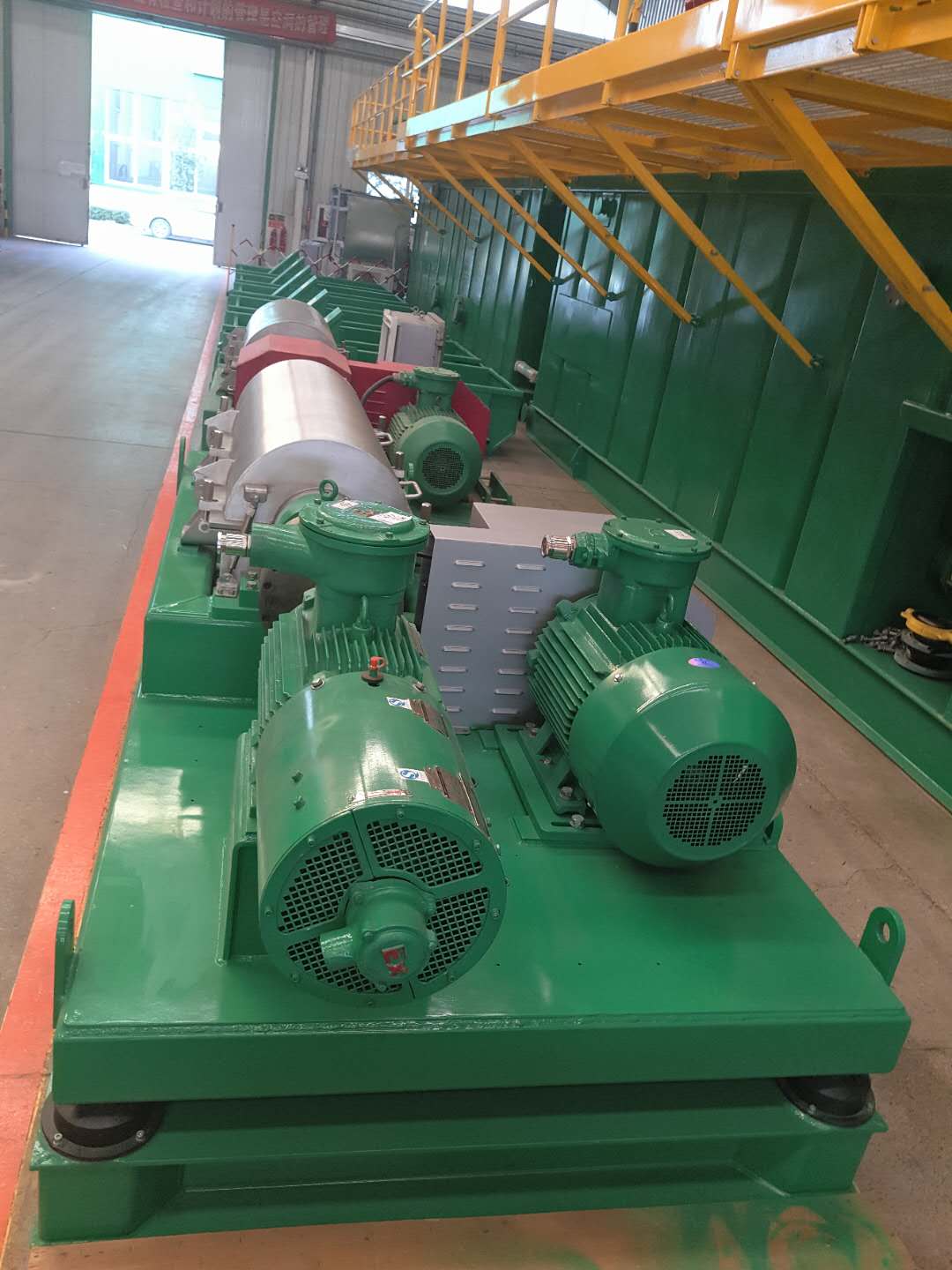
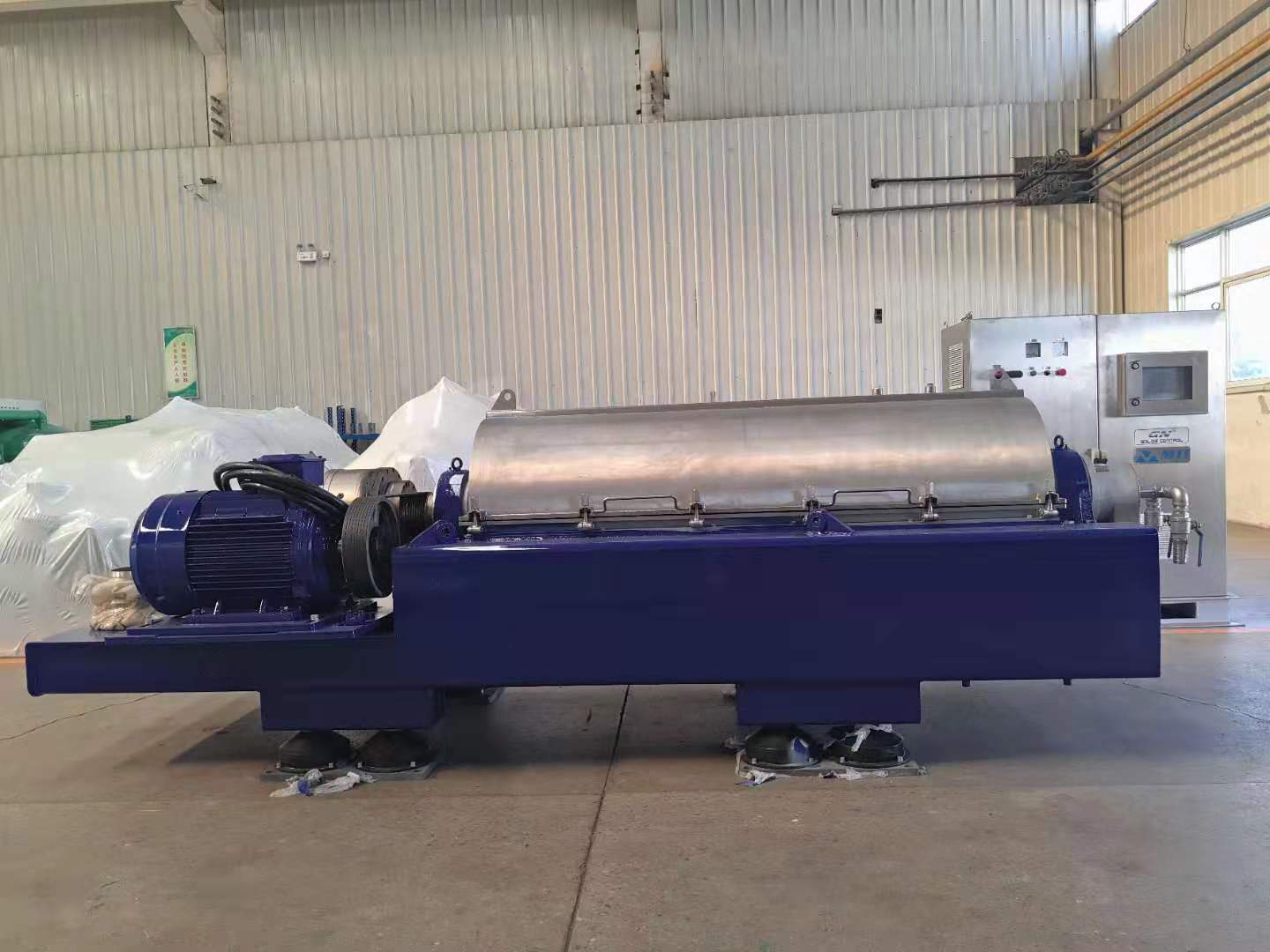
News from GN company this week: Recently, 1 set of 3Phase Decanter Centrifuge have been manufactured and ready to start serving for a project of tank cleaning sludge treatment in Africa.

2021.09.17 3 Phase Decanter Centrifuge

To make sure the 3-Phase Decanter Centrifuge will provide a reliable performance and the parts and components of all the equipment will run smoothly for a long term operation, our technical department, production department and quality control department have paid a lot of attention to the material selection, material preparation, every step of production and the inspection for this set of equipment in each step.

2021.09.17 Tricanter Centrifuge

GN 3-Phase Decanter Centrifuge is mainly designed for Solid-liquid-liquid three-phase separation of materials.With our over 10 years of experience in the separation industry, it is the most advanced type machine for 3 phase separation. It is designed for 24 hours continuous and smooth operation throughout the day. It is mainly composed of driving system, decanter bowl, screw conveyor inside the bowl, cover box, skid and VFD control panel.

If you need any support about the operation and maintenance of GN’s equipment like 3Phase Decanter Centrifuge, please feel free to contact GN company for our engineers’ best experience and knowledge in the relevant industry. We will do our best to assist your project because just in this way we can establish a stable and long term cooperation. And we can provide on-line support and site instruction for specific situation if needed.

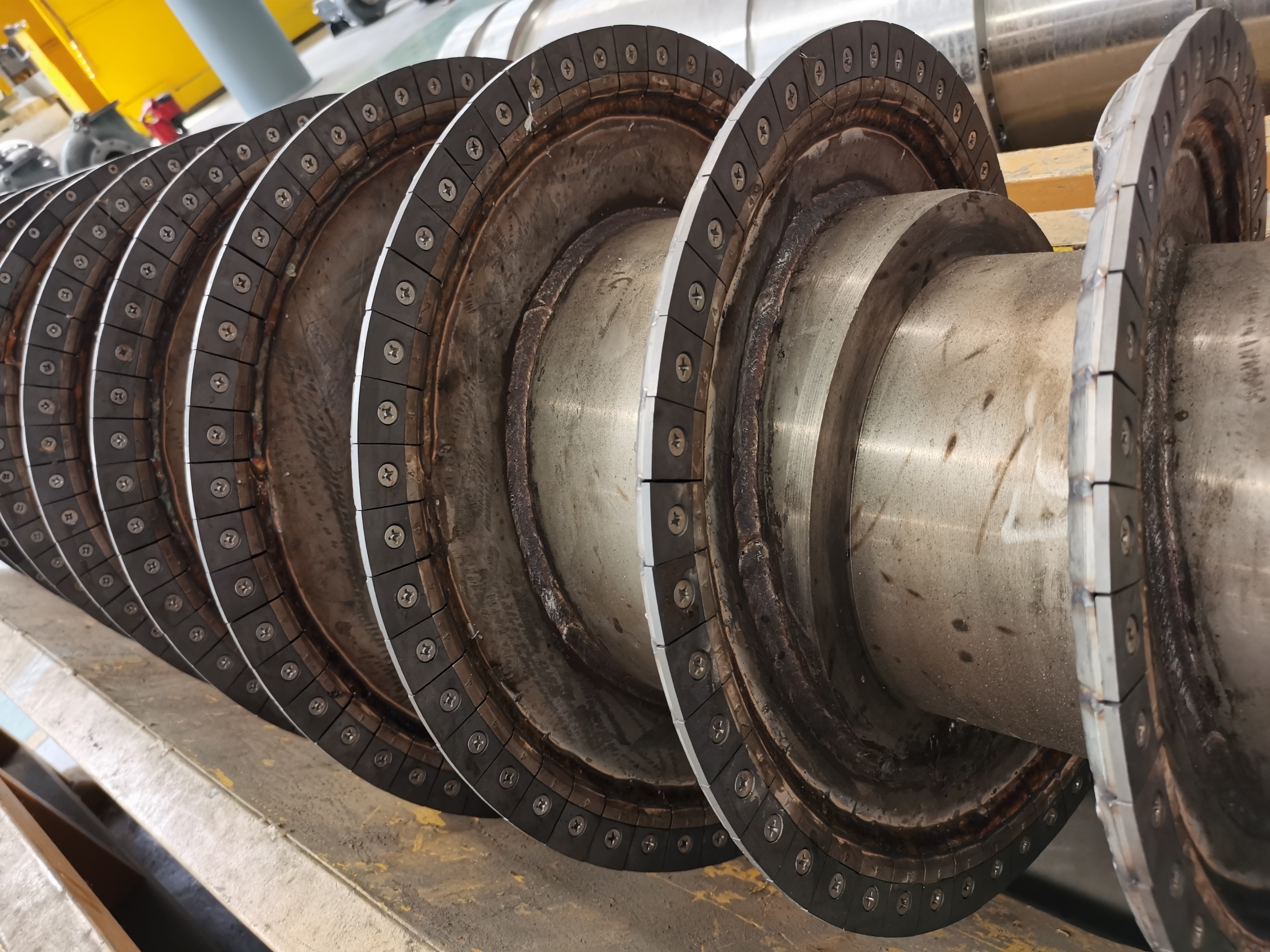
As a leading manufacturer of separation equipment and conveying equipment, GN always pay high attention to the product quality and consider the long-term benefits for our users. We would also like to introduce GN as a professional manufacturer in decanter centrifuge field, GN pays a lot of attention in the selection of raw materials, high-quality centrifugal casting or forging stainless steel materials are used, and for wearing parts, hard alloy protection is used.


By the way, if you are interested in our products, please check the following items of our company on Alibaba:

Decanter centrifuge

3Phase Disc centrifuge

Sludge dewatering Screw press

Oil water separator

Centrifugal pump

Vacuum Pump

Submersible pump

Decanter centrifuge used for the sewage treatment


Decanter centrifuge used for the sewage treatment


Clean water is becoming more and more valuable raw materials, which is why the importance of urban sewage treatment continues to grow. The sludge from drinking water and sewage treatment must be separated as effectively as possible. At present, the industrial decanter centrifuge is considered as the latest technology of sludge dewatering and thickening, which has the characteristics of economy, energy saving and high efficiency.

Desander Desilter

GN company has more than 12 years of experience in sewage sludge treatment. We understand the special requirements of sewage treatment plant and water industry. The GN Brand has been in the industry since 2007. GN products have been exported to over 70 countries in the world. Over 70% of the products are made for international customers. GN have branch in Houston, USA and Moscow, Russia for support to our local customer. GN make different types of decanter centrifuge include Clarifying Centrifuge, Classifying Centrifuge, Thickening Centrifuge, Dewatering Centrifuge.

Sludge decanter centrifuge specially developed for the special requirements of sewage treatment plant

The main purpose of dewatering process is to minimize the volume of sludge. The reason is that every tenth increase of dry solid in sludge will reduce the cost of sludge removal. A higher dry solid content was obtained.

It not only eases the subsequent treatment process, but also improves the overall performance of the sewage treatment plant. GN company is used to compact the sludge, so that the dry solid content of the sludge is concentrated in a few percentage points.

GN decanter centrifuge can also be used for the best mud thickening of polymer based strong flocking agent. The polymer is largely removable, and the horizontal decanter centrifuge can achieve very good value.

The sewage sludge can be produced in drinking water treatment. The decanter centrifuge is used to reduce the transportation and landfill cost of sludge, increase the dry solid content, and reduce the amount of polymer required.