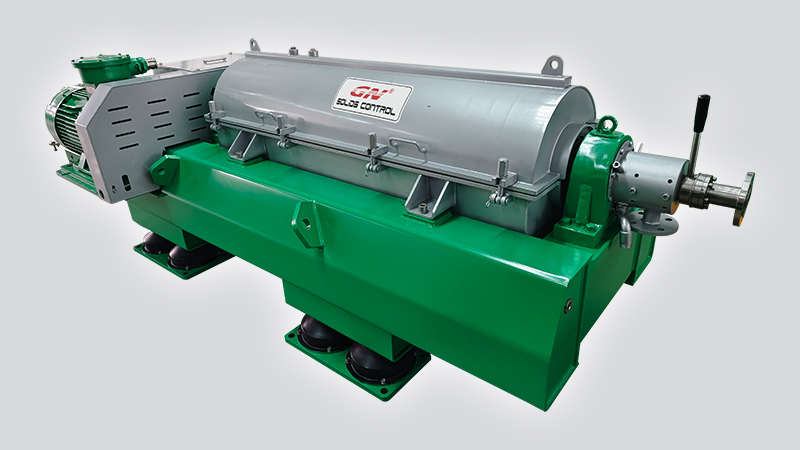
In the industrial separation field, decanter centrifuges are widely used for solid-liquid or three-phase separation across industries such as wastewater treatment, chemical processing, and food production. However, when it comes to palm oil sludge, the material properties and processing objectives differ significantly from conventional sludge or wastewater. These differences require dedicated centrifuge design adaptations to ensure efficient, reliable, and continuous operation under harsh conditions.
1. Material Characteristics: Viscous, High-Solids, and Three-Phase
Palm oil sludge is a mixture of residual oil, water, and solids that are produced during palm oil milling processes. It is highly viscous, contains fibrous solids and sand-like particles, and often includes free oil that must be recovered. This is unlike municipal sludge, which has lower viscosity and typically only requires two-phase separation.
2. Wear Resistance: Key to Long-Term Operation
Due to the presence of abrasive particles like sand and fibers, centrifuges for palm oil sludge must be equipped with enhanced wear-resistant components, such as tungsten carbide tiles on the scroll flights, ceramic or hardened inserts, and protection sleeves in high-impact zones. Without these reinforcements, standard decanters may wear quickly, increasing downtime and maintenance costs.
3. Torque and Differential Speed: Designed for Sticky Materials
The high viscosity of palm oil sludge requires a high-torque gearbox to drive the screw conveyor and handle the heavy solids load. Furthermore, precise control of differential speed is essential to maintain optimal dryness of discharged solids without causing blockages or excessive wear.
4. Three-Phase Separation: Oil, Water, and Solids
Unlike conventional sludge that typically undergoes two-phase separation, palm oil sludge often requires simultaneous separation of oil, water, and solids. This requires a specialized bowl design, optimized weir plates, and precise flow control. The recovered oil can be refined or reused, significantly increasing the overall economic value of the process.
5. Conclusion: Purpose-Built Solutions for a Demanding Industry
Centrifuges used in palm oil sludge treatment are not interchangeable with standard wastewater models. They are engineered with a deep understanding of palm oil processing challenges — from high solids and viscosity to abrasive and corrosive conditions. Manufacturers that provide customized, robust, and easy-to-maintain solutions are essential partners for palm oil mills seeking long-term operational success.