Soybeans are recognized as a complete protein source, containing all essential amino acids required by the human body—amino acids which cannot be synthesized internally. This makes soy protein a valuable alternative to animal-based proteins, both for human consumption and livestock feed. Among the various forms, Soy Protein Isolate (SPI) is the most concentrated, boasting a protein content of up to 90% (dry basis).

The Growing Importance of Soy Protein Separation
With SPI gaining traction as a low-fat, high-protein nutritional food, the demand for efficient extraction and separation technologies has increased. Traditional methods like filtration and basic sedimentation often fall short, especially in separating fine particles and hulls (similar in density to soy milk). To address this, high-speed decanter centrifuges have become integral to modern soy protein production lines.
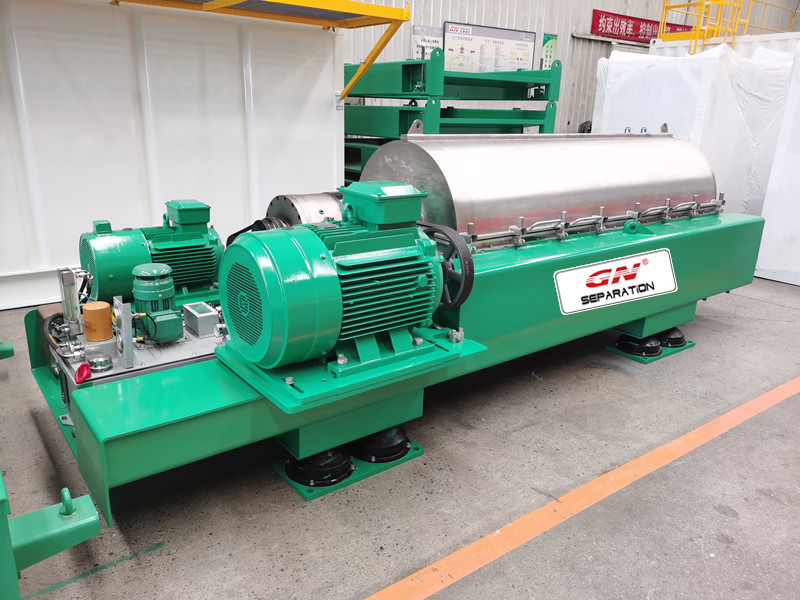
These decanter centrifuges provide:
High separation efficiency
Fully enclosed, hygienic processing environments
Continuous operation with minimal downtime
Excellent performance even with difficult-to-separate solids like soybean hulls
To enhance performance, Separation Technology has developed a special float trap system that improves the removal of suspended solids, ensuring that the separated soy milk meets downstream processing requirements.
SPI Extraction Process Overview
The production of soy protein isolate generally follows these key steps:
Raw Material Preparation
Defatted soybean flakes or meal are mixed with water under alkaline conditions to dissolve the proteins
Solid-Liquid Separation
The protein-rich liquid must be separated from insoluble residues (okara). This is where high-performance decanter centrifuges play a vital role.
Protein Precipitation
The dissolved protein is precipitated by adjusting the pH to its isoelectric point.
Second Separation
The precipitated protein is then recovered via centrifugation.
Drying
The resulting SPI is dried to form the final powder product.
Technical Considerations for Optimal Yield and Purity
To maximize protein yield and purity, several factors must be tightly controlled: pH (alkalinity), Extraction time, Temperature, Water-to-soybean ratio, Heat treatment, Mixing intensity
As the global demand for plant-based protein continues to rise, efficient, hygienic, and scalable centrifuge solutions are transforming soy protein isolate production. Compared with traditional filter-based methods, high-speed decanter centrifuge offer greater automation, cleaner separation, and better adaptability to modern food processing standards.