To achieve optimal separation performance and ensure stable, long-term operation of the decanter centrifuge, GN Separation provides the following operational recommendations:
1. Maintain Stable Feed Conditions
To ensure stable and continuous operation, it is essential to keep the feed flow rate, solids concentration, and temperature as consistent as possible. Stable feed conditions allow the decanter centrifuge to operate smoothly, ensuring constant liquid clarity and solids discharge, while also enabling downstream equipment to function reliably and maintaining overall system stability.
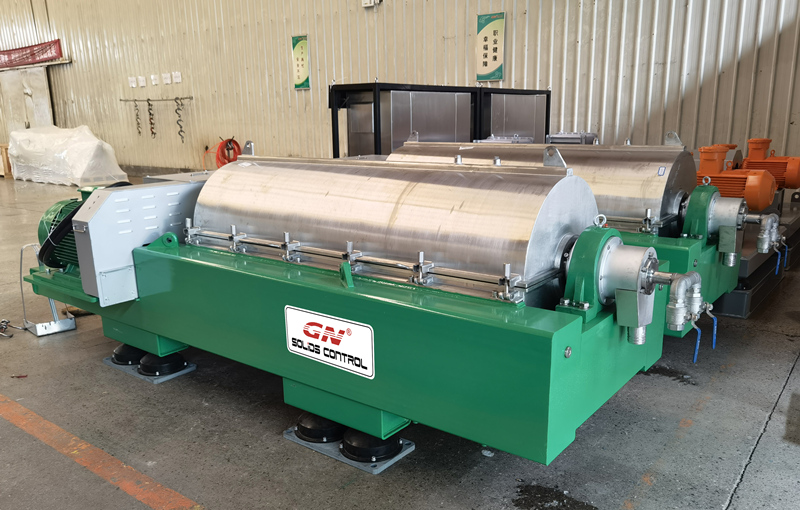
To achieve this, the feed material should first enter a buffer tank equipped with an agitator. Continuous mixing ensures a homogeneous solid–liquid mixture. The material should then be quantitatively fed into the decanter centrifuge by a screw pump, with flow controlled and monitored by a flow meter.
2. Pre-Treatment of Abrasive and Coarse Materials
For materials with high abrasiveness, it is recommended to remove coarse particles in advance to significantly reduce wear on the equipment. Particles larger than the allowable size should be separated before entering the decanter centrifuge to prevent blockage.
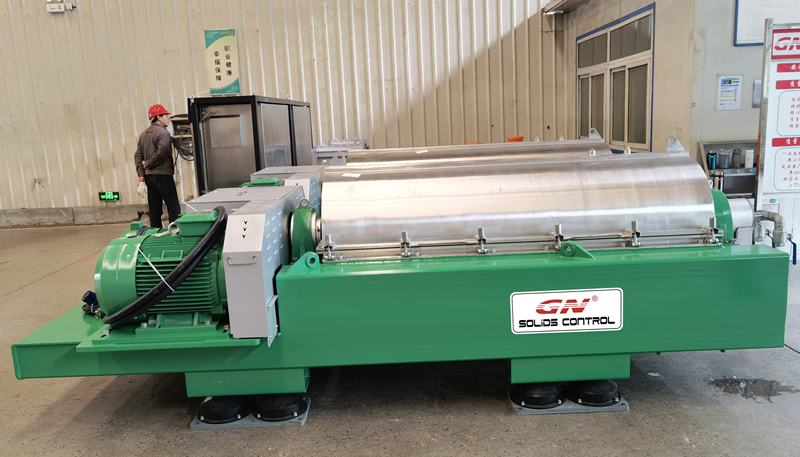
In applications where fibrous materials may be present—such as municipal wastewater sludge dewatering—it is recommended to install a sludge cutter or macerator in the feed pipeline. This effectively reduces the risk of clogging in pipelines, feed pumps, and the decanter centrifuge, and helps prevent abnormal vibration caused by material blockage.
3. Use Flexible Pipeline Connections
Flexible connections must be installed on both the inlet and outlet pipelines of the decanter centrifuge to prevent the transmission of vibration between the decanter centrifuge and the connected piping system.
4. Cleaning Before Shutdown
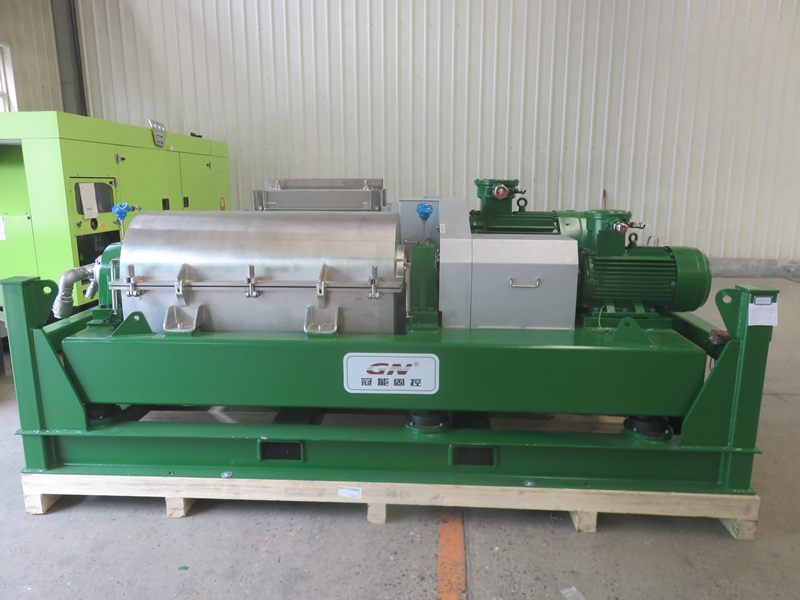
Before stopping the decanter centrifuge, any remaining material inside the bowl must be thoroughly flushed out to prevent imbalance caused by residual solids. Failure to do so may result in excessive vibration during the next startup. For this purpose, a cleaning water inlet should be provided at the feed end of the machine to allow effective flushing during shutdown.
5. Maintenance and Control Environment
Appropriate lifting equipment should be installed in the decanter centrifuge operating area to facilitate routine maintenance and component replacement. In addition, the control cabinet and instrumentation should be installed in a clean, dry environment with stable ambient conditions to ensure reliable operation and long service life.