Decanter centrifuges are widely used in demanding industrial environments and often operate under continuous heavy-duty conditions. To ensure reliable performance, extended service life, and safe operation, regular inspection and proper maintenance are essential. Below are key guidelines for maintaining a decanter centrifuge.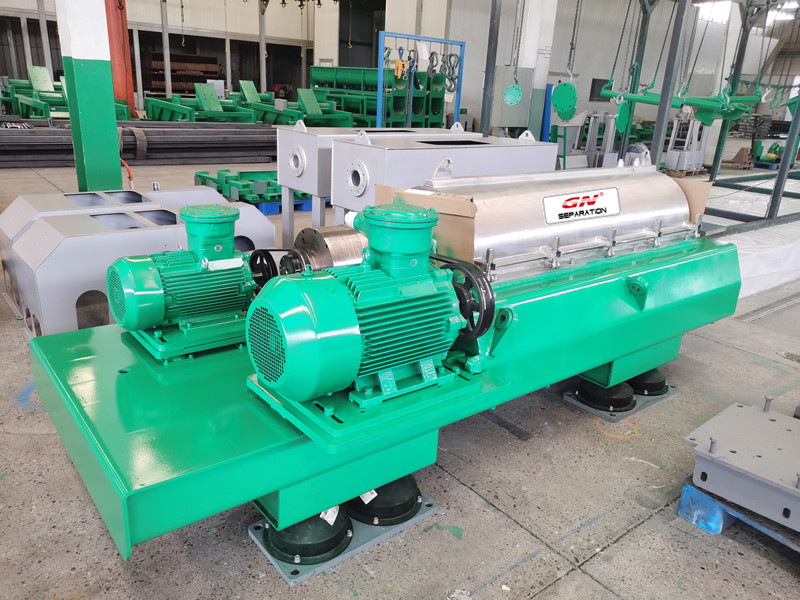
1. Maintain Proper Start-Up and Shutdown Procedures
Before starting the decanter centrifuge, operators should ensure that all protective covers and safety guards are properly closed and secured. After operation, the centrifuge should be stopped according to the standard shutdown procedure. Residual slurry or liquid inside the bowl and casing should be flushed or cleaned to prevent material buildup, corrosion, or imbalance during the next operation cycle.
Keeping the internal chamber clean and dry helps improve equipment reliability and reduces maintenance frequency.
2. Ensure All Rotating Components Are Properly Secured
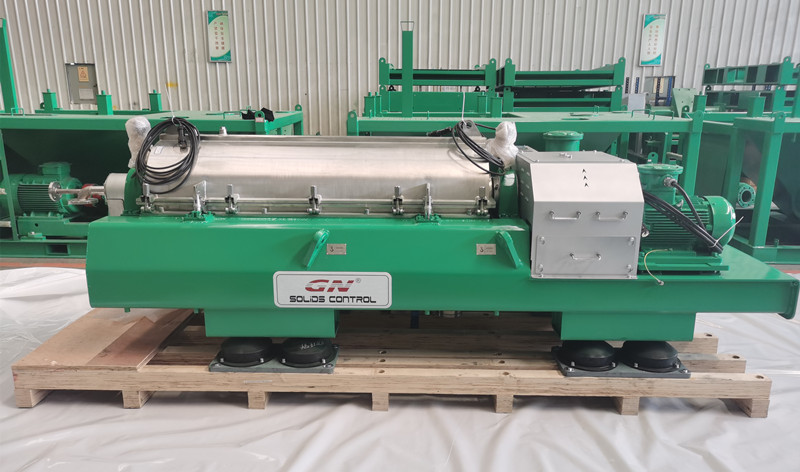
The rotating assembly, including the bowl, scroll, and cover components, must be properly installed and tightened before operation. Loose components may lead to vibration, mechanical damage, or serious safety risks. Operators should carefully inspect and confirm that all fasteners, locking mechanisms, and protective covers are correctly secured before starting the machine.
3. Perform Routine Inspection of Mechanical Clearances and Sealing Conditions
During routine maintenance, operators should check for abnormal gaps, unusual noise, or vibration. Proper sealing conditions should also be verified to prevent leakage of slurry or lubricants. If any abnormal clearance or wear is detected, the equipment should be stopped and inspected immediately to avoid further damage.
4. Monitor Operation and Respond to Abnormal Conditions
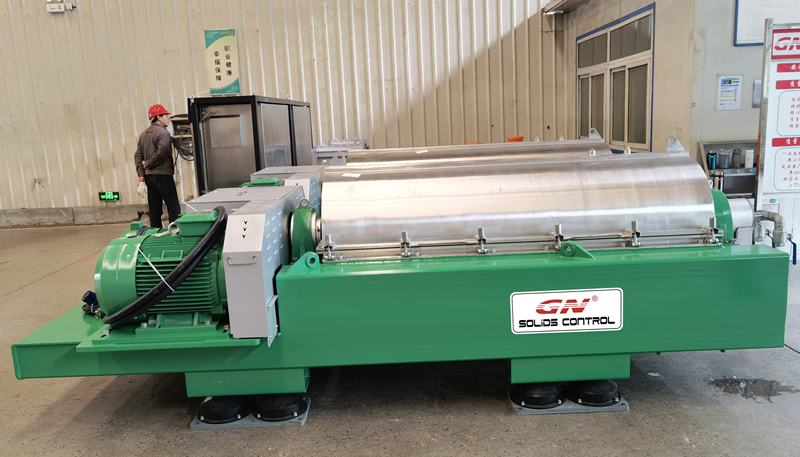
During decanter centrifuge operation, the equipment should be continuously monitored. If abnormal vibration, noise, temperature rise, or overload alarms occur, the operator should stop the centrifuge following emergency shutdown procedures and conduct troubleshooting.
Operators should never ignore abnormal operating signals, as early detection can significantly reduce repair costs and downtime.
5. Use Genuine and Qualified Spare Parts
Using high-quality and certified spare parts is critical to maintaining stable centrifuge performance. Inferior, worn, deformed, or cracked components—especially critical rotating parts—may cause severe mechanical failure and safety hazards. Regular inspection and timely replacement of wear parts such as conveyor flights, wear protection tiles, seals, and bearings are strongly recommended.
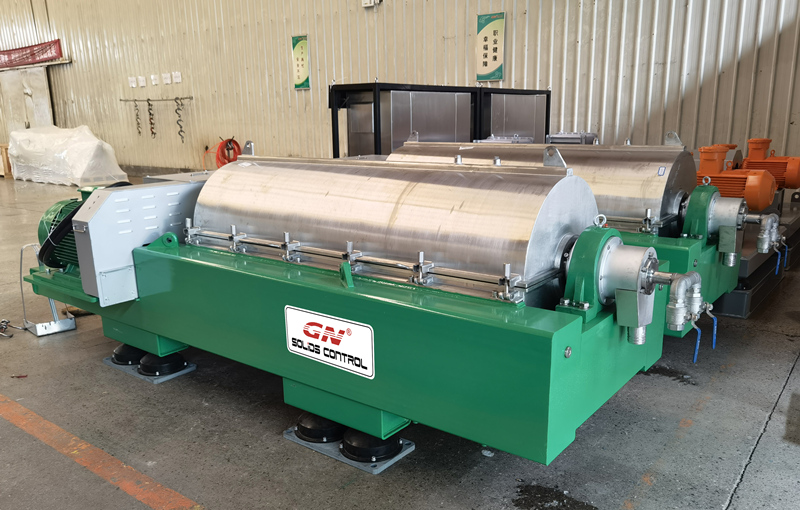
6. Conduct Regular Safety and Preventive Maintenance Checks
Routine safety inspections should be carried out according to the equipment maintenance schedule, particularly before long shutdown periods, holidays, or extended idle time. Preventive maintenance helps identify potential risks early and ensures the centrifuge remains ready for stable operation.
7. Contact Professional Technical Support When Failures Occur
If any malfunction or component damage occurs during operation, operators should immediately stop the equipment and contact qualified technical personnel. Unauthorized disassembly or improper repair may lead to additional equipment damage or safety risks.
GN Separation Decanter Centrifuge Solutions
GN Separation has over 15 years of experience in designing and manufacturing decanter centrifuges for industrial separation applications. GN provides a full range of centrifuge models for clarifying, classifying, thickening, and dewatering processes across industries such as wastewater treatment, oil and gas, mining, and food processing. GN welcomes inquiries and technical discussions and looks forward to cooperating with customers worldwide to provide efficient and dependable separation solutions.