Centrifuges play a vital role in industries such as chemical processing, pharmaceuticals, food, and mining by separating solids and liquids efficiently. However, improper use can lead to equipment damage, poor separation performance, or even safety hazards. Below are several essential points to consider when operating a centrifuge.
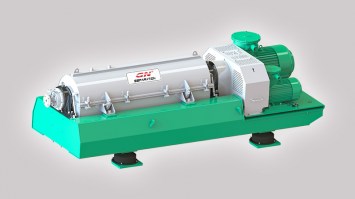
1. Balance and Loading Are Critical
One of the most common causes of vibration and mechanical failure in a centrifuge is unbalanced loading. Before starting the machine, ensure that all containers, tubes, or feed compartments are loaded symmetrically and evenly. In batch-type centrifuges, equal mass on opposite sides of the rotor prevents excessive stress on the bearings and drive system. For continuous decanter or disc centrifuges, steady feed flow is key—sudden surges can upset the balance and cause wear. Always check that covers are properly closed and that no foreign objects are inside the bowl before operation.
2. Monitor Operating Parameters and Maintenance
Centrifuges operate under high rotational speeds and generate significant centrifugal forces. Operators should regularly monitor parameters such as rotational speed (RPM), feed rate, vibration level, and bearing temperature. Exceeding the recommended speed or operating with a worn bearing may lead to mechanical failure.
Routine maintenance is equally important—inspect seals, belts, and lubrication systems frequently. Scheduled replacement of consumable parts such as gaskets and bearings helps maintain separation efficiency and prolong service life. Following the manufacturer’s maintenance intervals ensures stable operation and prevents costly downtime.
3. Prioritize Safety and Training
Because centrifuges involve high-speed rotation, safety precautions are non-negotiable. Operators should be trained on emergency shutdown procedures and aware of the specific materials being processed—some slurries or chemicals may create explosive or corrosive conditions. Always keep safety guards in place, avoid opening covers while the bowl is still spinning, and wear appropriate personal protective equipment (PPE). In addition, it’s good practice to record operating data and perform vibration analysis periodically to detect early signs of imbalance or mechanical fatigue.
Conclusion
Proper operation and maintenance of a centrifuge not only enhance performance but also ensure safety and reliability. By balancing loads carefully, monitoring key parameters, and maintaining strict safety discipline, operators can maximize uptime, extend equipment lifespan, and achieve consistent separation results in any industrial process.