The decanter centrifuge is a widely recognized and essential piece of equipment in various industries for continuous solid-liquid separation. Whether you’re an equipment user or managing a website related to centrifuges, it’s crucial to understand how these machines work and what factors influence their performance. This knowledge ensures correct usage, optimal efficiency, and better alignment with market and manufacturer expectations.
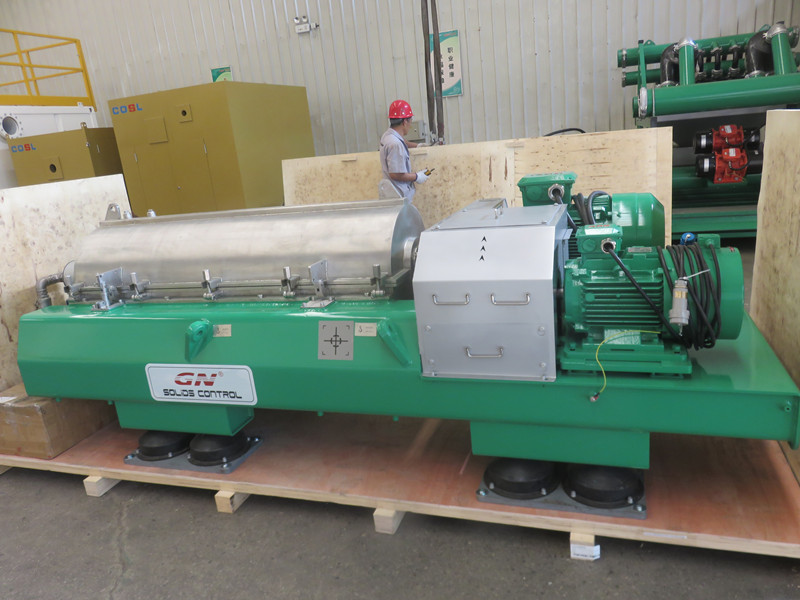
- Role and Working Principle of the Differential in decanter centrifuges
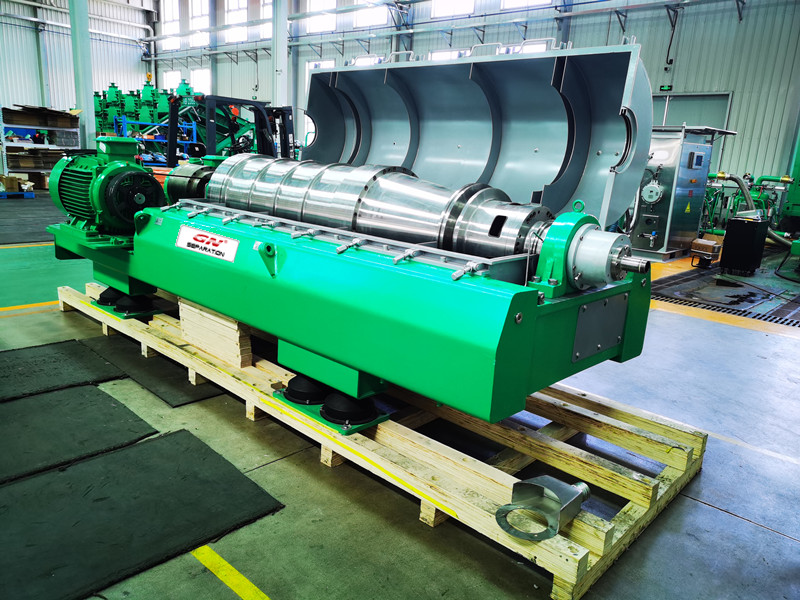
The differential is a critical component of the decanter centrifuge, responsible for creating a constant differential speed between the rotating bowl and the internal screw conveyor. This speed difference enables the screw to continuously transport separated solids (or sludge) toward the small-end discharge port, while clarified liquid exits from the large-end overflow weir.
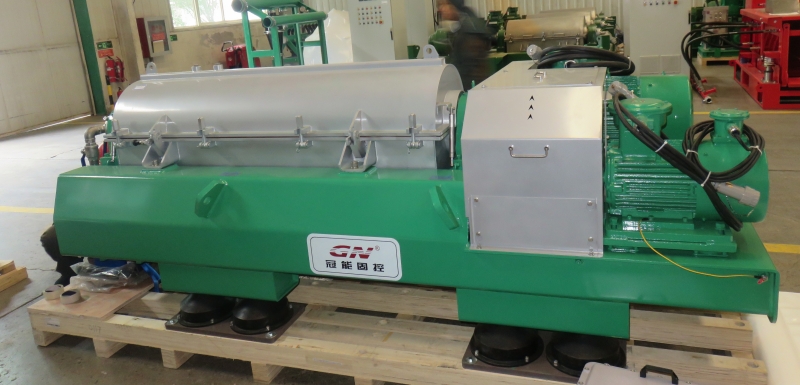
In simple terms, the differential ensures that solid particles, after being separated by centrifugal force, are moved toward the solids discharge zone, while the clarified liquid flows out separately—resulting in effective solid-liquid separation.
- Key Factors Influencing Separation Efficiency
Several factors impact the separation effect of a decanter centrifuge. Among these, material characteristics play the most significant role:
Particle size, shape, and density: Coarse and denser particles settle faster and are easier to separate than fine or light particles.
Liquid phase properties: The viscosity, density, and surface tension of the liquid affect how easily solids can settle.
Sludge consistency and concentration: High solid content or thixotropic sludge may require specific adjustments or additives.
In addition to feed properties, other factors include:
Bowl speed and differential speed
Pond depth (weir plate settings)
Feed flow rate and temperature
Centrifuge design (beach angle, screw pitch, etc.)
The appropriate type of decanter centrifuge must be selected based on the nature of the feed material to ensure optimal performance.
- Decanter Centrifuge vs. Disc Stack Centrifuge: Are They Comparable?
While both are centrifuges, decanter centrifuges and disc stack centrifuges serve different purposes and operate under different principles:
Decanter centrifuge: Operates at lower centrifugal force (typically 2,500–3,500 G), ideal for high-solids slurries, continuous sludge dewatering, and industrial-scale wastewater or byproduct treatment.
Disc stack centrifuge: Operates at higher G-forces (7,000–8,000 G), better suited for clarifying liquids with very fine solids (e.g., dairy, juice, or pharmaceutical applications).
Because of these fundamental differences, the two types are not directly comparable, and each should be used in its specific application context.
- How to Improve the Efficiency of a Decanter Centrifuge
To enhance the working efficiency of a decanter centrifuge, consider the following strategies:
Optimize operating parameters:
Adjust bowl speed and differential speed to match the characteristics of the feed. A higher bowl speed increases separation force but must be balanced to avoid excessive wear or energy use.
Adjust pond depth and feed rate:
Proper weir plate settings control the pond depth inside the bowl, influencing sedimentation time and clarity. Ensure the feed rate aligns with the centrifuge’s capacity to avoid overloading.
Use chemical additives (flocculants or coagulants):
Additives can improve solid particle aggregation, making them easier to separate. This is particularly useful when dealing with fine or colloidal solids.
Install a BD (beach design) board or adjustable cone angle:
These help improve solids drying and discharge performance by optimizing the sediment discharge process.
Maintain equipment regularly:
Ensure the screw, bowl, bearings, and seals are in good condition. Consistent lubrication (preferably automated) and wear protection (e.g., tungsten carbide plating) reduce downtime and extend service life.
Conclusion
Understanding the operating principles and performance factors of decanter centrifuges is essential for effective use and maintenance. By paying attention to feed characteristics, optimizing equipment settings, and implementing smart operational strategies, users can significantly enhance separation efficiency and reduce operating costs.