Selecting an appropriate decanter centrifuge not only helps resolve production challenges and improve operating efficiency, but also reduces overall production costs and operational risks. The following factors should be carefully considered during the selection process:
1. Rotational Speed
In general, the bowl speed of a decanter centrifuge should exceed 3,000 rpm. Higher rotational speed results in a higher centrifugal force (G-force), which directly improves separation efficiency and enhances the overall separation performance.
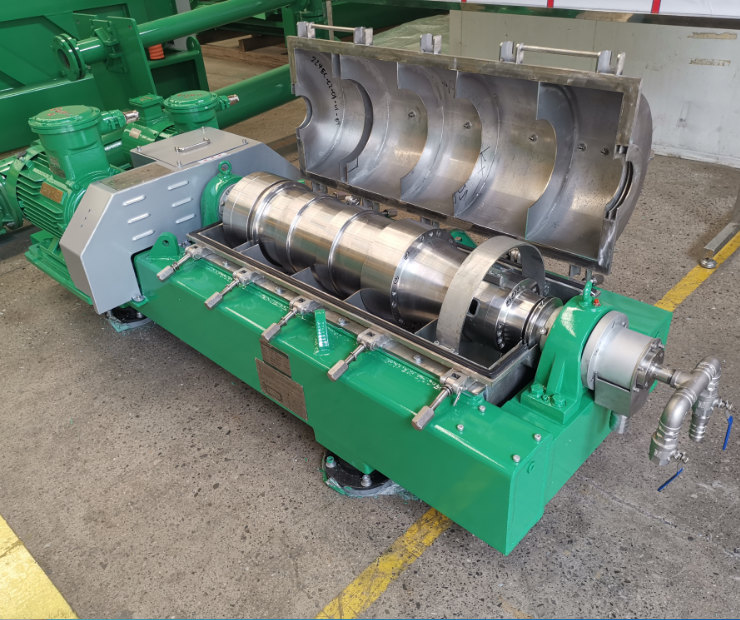
2. Materials of Construction
Different feed materials impose different requirements in terms of wear resistance and corrosion resistance. High-quality decanter centrifuges are typically manufactured from 316L stainless steel or duplex stainless steel, while highly abrasive components are protected with ceramic or other advanced wear-resistant materials to ensure long service life.
3. Differential Speed Control
The control accuracy of the differential speed has a significant impact on performance, service life, and maintenance costs. Higher differential speed accuracy provides better adaptability to varying material characteristics and more stable operation. Therefore, equipment with precise and reliable differential speed control should be prioritized.
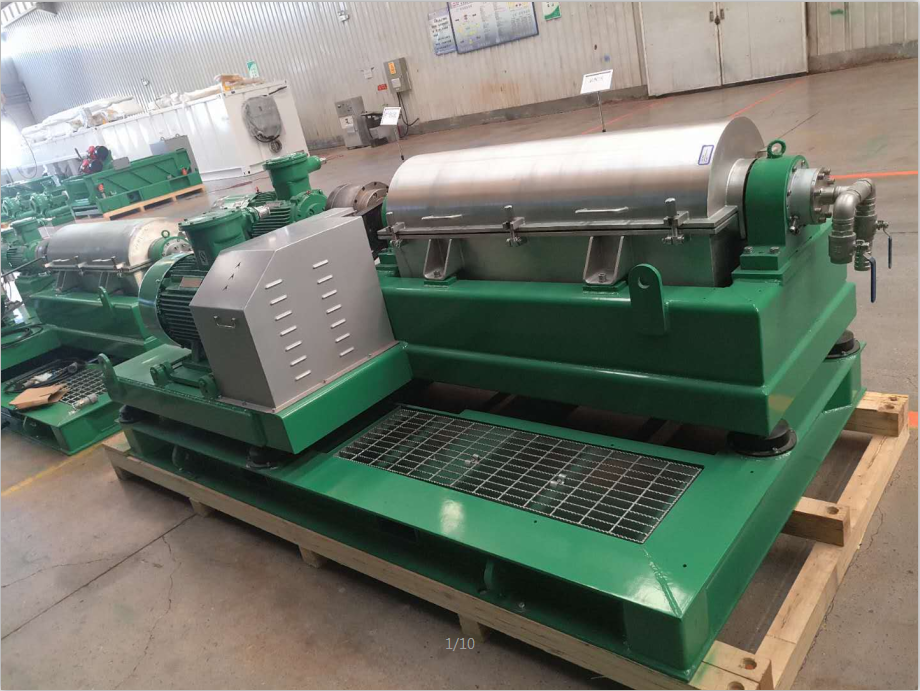
4. Length-to-Diameter Ratio
A larger length-to-diameter (L/D) ratio generally increases processing capacity and improves solids dryness. Decanter centrifuges with higher L/D ratios allow longer residence time for material separation, resulting in better dewatering performance.
5. Control System
Modern decanter centrifuges are typically equipped with fully automatic control systems, including programmable logic control (PLC). Both domestic and international manufacturers now offer automated systems that enable stable operation, process monitoring, and reduced labor requirements.
6. Installed Power
Installed power directly affects energy consumption. In general, equipment with optimized mechanical design and efficient drive systems offers lower specific energy consumption, which is an important consideration for long-term operating costs.
7. Manufacturing and Processing Technology
Decanter centrifuges are high-precision separation equipment with strict manufacturing and machining requirements. Manufacturers lacking advanced finishing and precision machining capabilities often produce equipment with higher maintenance frequency and limited processing performance. Therefore, supplier manufacturing capability is a key selection criterion.
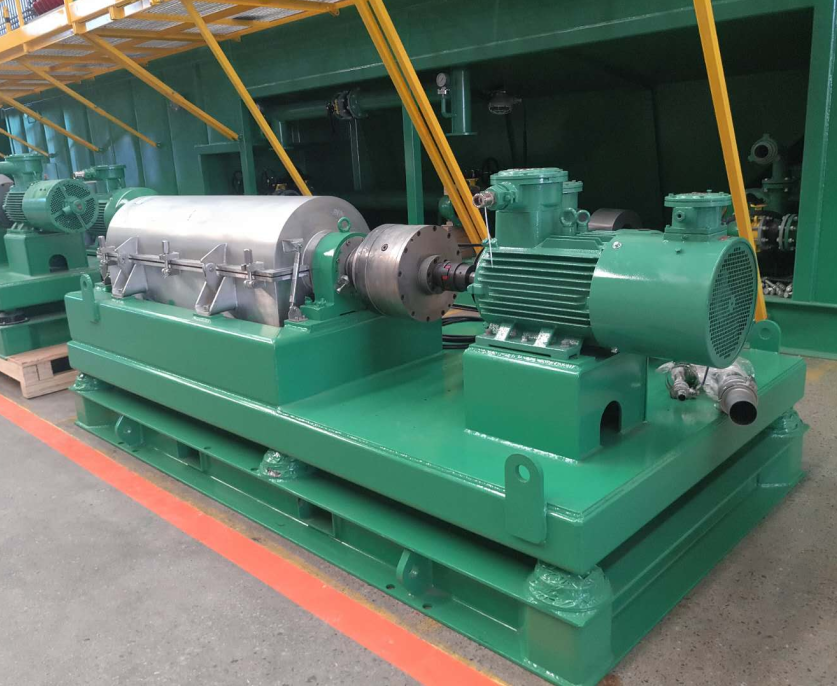
Types of Decanter Centrifuges
Decanter centrifuges are generally classified into:
Horizontal scroll filter centrifuges, and
Horizontal scroll sedimentation centrifuges.
A decanter centrifuge is a continuous solid–liquid separation device featuring horizontal bowl configuration, screw conveyor discharge, and continuous operation, making it widely used in industrial separation and dewatering applications.