Decanter centrifuges, known for their efficient separation and washing capabilities under centrifugal force, exhibit robust adaptability to various materials and are ideal for separating solid-phase particles ≥0.01mm in suspension. Their versatility has led to widespread adoption in industries such as biochemistry, fine chemicals, and pharmaceuticals. As decanter centrifuge with automatic scraper discharge and intermittent operation, they necessitate careful operation to ensure optimal performance and safety.
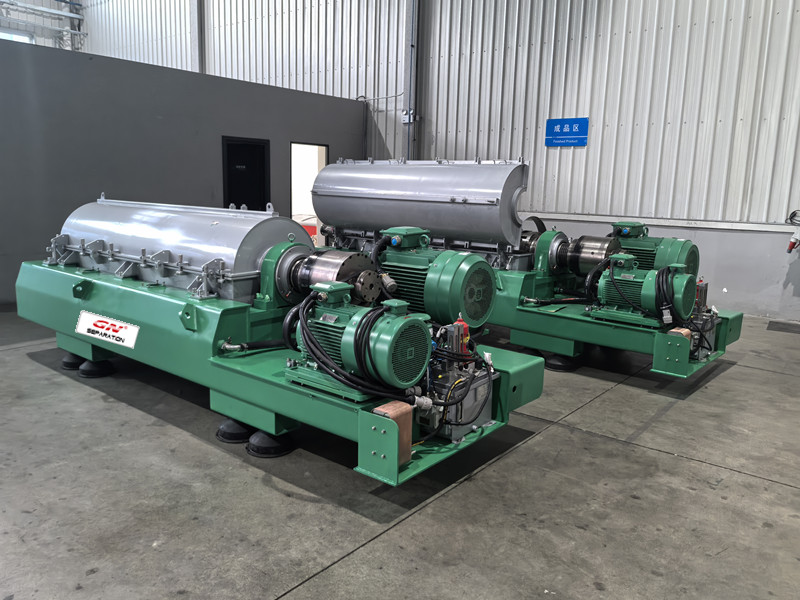
- Operational Precautions for Decanter Centrifuges
(1) Separate Dehydration of Fabrics with Varying Water Absorption Rates:
Fabrics with different water absorption capabilities should be dehydrated independently to prevent imbalance and ensure efficient processing.
(2) Verification of Motor Rotation Direction:
Prior to use, newly installed dehydrators or newly connected wiring must be verified to ensure the motor rotates in the correct direction, which is crucial for safe and effective operation.
(3) Handling Uneven Fabric Placement:
In cases where fabric placement results in severe vibration, the power switch should be immediately turned off. The fabric should then be evenly redistributed before initiating dehydration.
(4) Avoiding Overload:
Do not exceed the recommended capacity for fabric placement. Special attention is required when dehydrating items other than clothing to prevent overloading.
(5) Safety During Operation:
During machine operation, avoid reaching into the inner cage area of the dehydrator to prevent potential injuries.
- Steps for Operating a Decanter Centrifuge

(1) Pre-Operational Check:
Prior to use, thoroughly inspect the mechanical parts to ensure they are in good working condition.
(2) Uniform Placement of Wash Items:
Place the items to be washed evenly within the inner rotating cage to maintain balance.
(3) Starting and Accelerating the Motor:
Initiate the electric motor and gradually increase the speed of the inner cage. Depending on the fabric type, drying typically takes between 5-10 minutes.
(4) Stopping the Motor:
Press the “Stop” button to deactivate the motor. Allow the dehydrator to naturally decelerate for a period before manipulating the brake lever for intermittent braking to safely stop the inner cage.
(5) Retrieval of Items:
Once the machine has stopped, the fabric can be safely removed.
GN Separation is a leading decanter centrifuge manufacturer specializing in research, production, sales, and maintenance. With strong technical expertise, advanced processing equipment, comprehensive testing methods, and stringent internal management standards, GN stands as a backbone enterprise in the centrifuge industry in China. The company boasts modern facilities, robust scientific research capabilities, and generalized processing expertise, positioning it as a key player in the domestic and international markets.