When it comes to solid-liquid separation in industries such as wastewater treatment, oil sludge recovery, and mining, the decanter centrifuge is a vital piece of equipment. While traditional gearbox-driven decanters have dominated the market for decades, hydraulic-driven decanter centrifuges are becoming increasingly popular due to their performance advantages. Here’s a closer look at the key differences between these two technologies.
- Power Transmission: Gearbox vs Hydraulic System
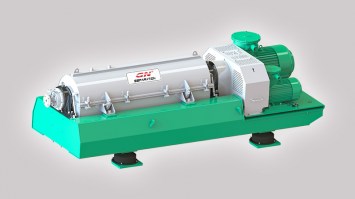
The most fundamental difference lies in how torque is transmitted to the scroll (or screw conveyor). Conventional decanter centrifuges use a mechanical gearbox to generate the differential speed between the bowl and the screw. In contrast, hydraulic-driven decanters use a hydraulic pump and motor system, which offers smoother and more flexible control.
Hydraulic systems can provide higher torque at low differential speeds, which is particularly beneficial in handling high-viscosity or highly concentrated sludges.
- Torque Control and Process Flexibility
Hydraulic-driven decanter centrifuges excel in torque control. They can maintain a stable differential speed even under varying feed conditions, ensuring more consistent performance. This adaptability improves separation efficiency, reduces wear, and enhances the quality of the discharged solids and liquids.
In comparison, mechanical gear-driven systems are more rigid. Although reliable, they may require frequent manual adjustments or risk performance loss when the feed conditions fluctuate significantly.

- Maintenance and Durability
While hydraulic systems may seem complex, they are often easier to maintain in heavy-duty applications. There are fewer mechanical parts under high stress, and the hydraulic components are typically sealed from the harsh process environment.
However, conventional decanters with gearboxes are known for their simplicity and lower upfront cost. For basic or small-scale operations with stable feed characteristics, they remain a practical option.
- Energy Efficiency and Application Suitability
Hydraulic-driven decanters are often more energy-efficient in handling difficult or variable feed, especially when high torque is needed. Industries dealing with oil-based sludges, drilling fluids, or fine particles benefit from the enhanced control and performance.
Conventional decanters are better suited for straightforward, predictable applications where high torque is not a constant requirement.
Conclusion
Choosing between a hydraulic-driven and a conventional decanter centrifuge depends on the application’s complexity, budget, and performance needs. While hydraulic systems offer superior torque control, flexibility, and durability under demanding conditions, conventional decanters provide cost-effective reliability for standard tasks. Understanding these differences is key to selecting the right equipment for your process.