Decanter centrifuges have become a cornerstone in industrial separation processes, offering reliable performance across wastewater treatment, chemical processing, food production, and the oil & gas sector. Their ability to efficiently separate solids from liquids makes them indispensable for operations seeking higher productivity and lower operational costs.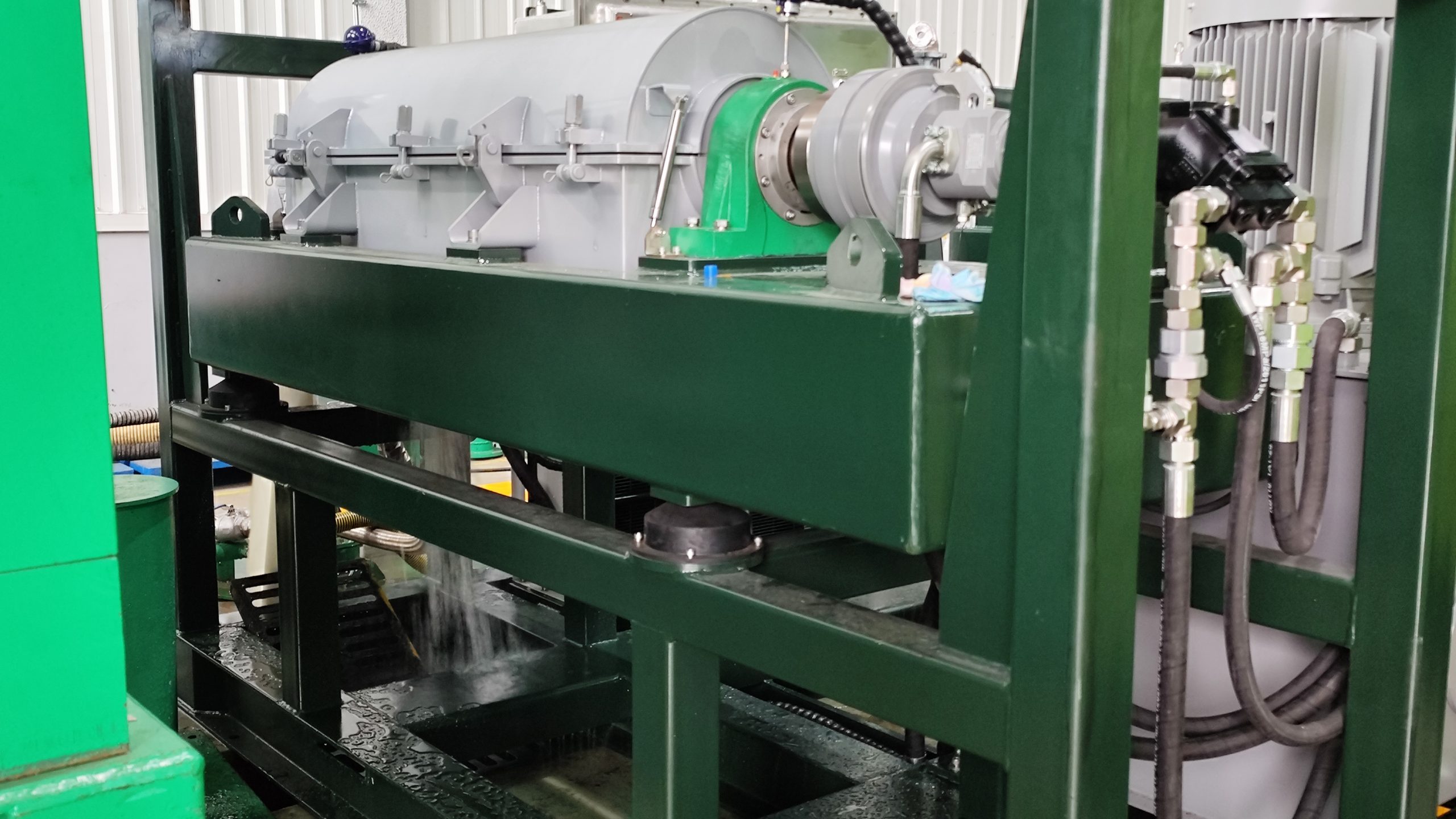
Fig.1 Decanter Centrifuge
The trend in centrifuge technology is moving towards greater automation and control. Modern decanter centrifuges increasingly integrate PLC (Programmable Logic Controller) systems, enabling precise control over rotational speed, feed rate, and cake dryness. PLCs not only optimize separation efficiency but also enhance safety by allowing real-time monitoring and automated fault response, reducing human intervention and operational risk.
In oil and gas applications, safety is paramount. Explosion-proof (Ex) designs for motors, electrical cabinets, and control panels ensure that centrifuges can operate safely in potentially hazardous environments. The combination of robust mechanical design, PLC automation, and explosion-proof technology makes centrifuges a reliable choice for demanding industrial settings, including offshore drilling, refinery wastewater treatment, and drilling mud processing.
At GN Separation, we have delivered solutions worldwide—from pharmaceutical wastewater treatment plants in Europe to power generation facilities in Asia—demonstrating the versatility of decanter centrifuges. As industries demand higher efficiency, safer operation, and remote monitoring, the adoption of PLC-controlled, explosion-proof centrifuges continues to grow, solidifying their role as essential equipment in modern process engineering.