Importance of Centrifuges in Wastewater Treatment
Centrifuges have become indispensable equipment in the wastewater treatment industry, playing a critical role in solid-liquid separation processes. Their ability to efficiently separate sludge from wastewater helps reduce volume, improve water clarity, and facilitate further treatment or disposal. This not only optimizes operational efficiency but also contributes significantly to environmental protection.
In wastewater treatment plants, centrifuges are primarily used for sludge dewatering. Raw sludge generated from biological or chemical treatment stages contains a high water content, often exceeding 95%. Removing excess water reduces sludge volume, lowers transportation and disposal costs, and improves downstream processing such as incineration or composting. Centrifuges achieve this by spinning the sludge at high speeds, using centrifugal force to separate solids from liquids. The separated solids, or cake, typically reach moisture contents as low as 60-80%, depending on the sludge type and centrifuge model.
Types of Centrifuges and Their Features
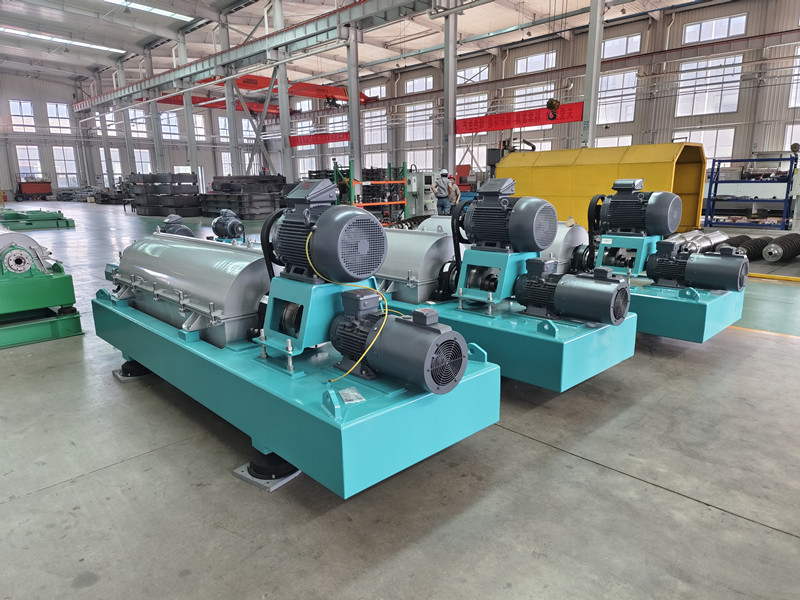
Among the various types of centrifuges, decanter centrifuges are the most commonly used in wastewater applications due to their continuous operation and high throughput. They are designed with a rotating bowl and a screw conveyor that continuously separates and discharges solids. Other types like disc-stack centrifuges and tubular bowl centrifuges find specialized applications but are less prevalent in general wastewater treatment.
Comparison of Leading International Brands
When comparing international centrifuge brands, factors such as separation efficiency, reliability, ease of maintenance, energy consumption, and adaptability to varying sludge characteristics are crucial. Leading brands like Alfa Laval, GEA Westfalia, and Flottweg have established reputations for producing high-performance centrifuges tailored for wastewater treatment.
Alfa Laval centrifuges are renowned for their robust design and energy efficiency, incorporating advanced automation and control systems that optimize dewatering processes. GEA Westfalia offers a wide range of decanter centrifuges with innovative features such as self-cleaning bowl technology and modular designs that facilitate maintenance and customization. Flottweg emphasizes reliability and precise separation with their patented designs, including adjustable pond depths and advanced control systems to handle challenging sludge types.
While these international brands offer proven technologies, local manufacturers have also been making significant strides. They often provide competitive pricing and customizable solutions tailored to regional wastewater characteristics and regulatory requirements. Some local centrifuge manufacturers focus on improving after-sales support and rapid service response, which can be advantageous for certain customers.