Mature and Specialized Demand in Europe
In Europe, centrifuge demand is well-established and highly specialized. Industries such as municipal wastewater treatment, pharmaceuticals, food processing, and fine chemicals rely on centrifuges for precise separation tasks. European buyers focus on automation, energy efficiency, and compliance with strict regulations such as ATEX and CE. This means they prefer premium equipment that guarantees reliability, safety, and long-term service support. Although the market is competitive and relatively saturated, replacement demand and technological upgrades remain steady, ensuring continuous opportunities for advanced centrifuge solutions.
Expanding Demand in Southeast Asia
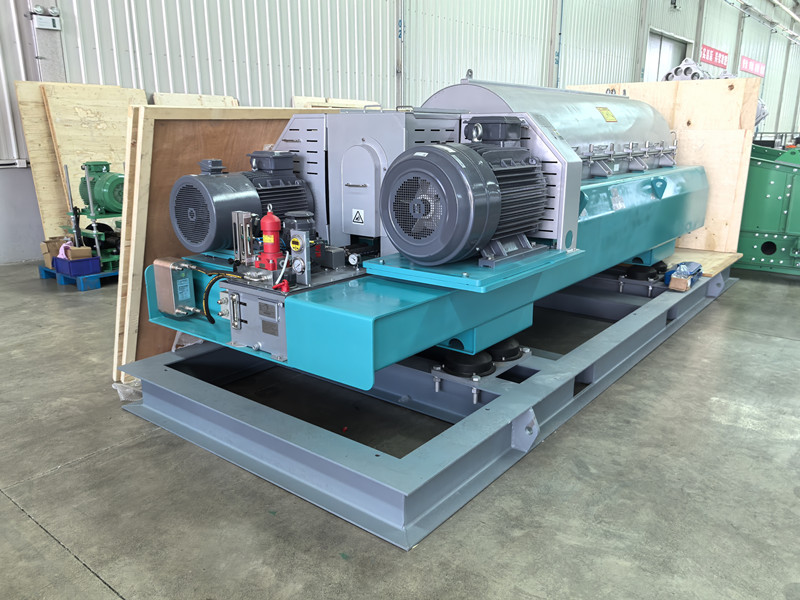
Southeast Asia shows a very different picture. Rapid industrialization, urban growth, and stricter environmental regulations are driving strong demand for centrifuges in wastewater treatment, palm oil processing, and the food industry. Municipal projects require cost-effective sludge dewatering, while palm oil mills depend on centrifuges to improve oil recovery and meet international quality standards. Customers in the region are generally price-sensitive, often prioritizing durability, easy maintenance, and affordability. However, there is also a growing trend toward automation and energy-efficient solutions, especially in government projects and large corporations.
Outlook and Strategic Approach
Comparing both regions, Europe represents a stable, technology-driven market, while Southeast Asia is a fast-growing, price-sensitive market. For centrifuge manufacturers, this requires a dual strategy: offer innovative, certified systems for Europe, and provide cost-effective, durable solutions in Southeast Asia with strong local partnerships.
At GN Separation, we are committed to serving both regions with a wide range of centrifuge technologies—from high-performance models that meet European standards to robust and affordable systems designed for the dynamic needs of Southeast Asia. By adapting to local requirements, we aim to support industries worldwide in achieving efficient and sustainable separation.