Category Archives: Uncategorized

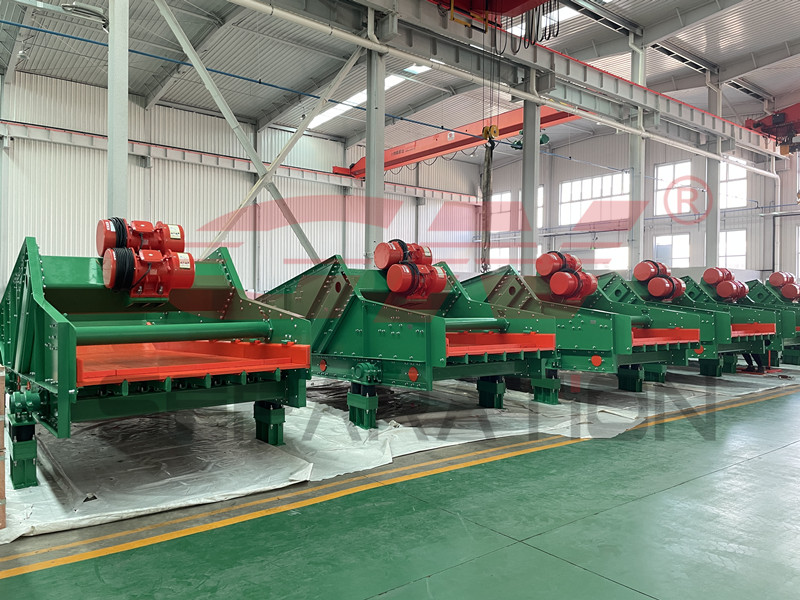
GNLMZ1848 by GN Solids Control: Innovative Application of 8-Unit Linear Dewatering Vibrating Screen in Domestic Iron Mines

With the continuous innovation in mining technology, dewatering equipment is also undergoing constant upgrades. GN Solids Control, a leading domestic provider of solid control equipment, has launched the GNLMZ1848, an 8-unit linear dewatering vibrating screen known for its efficiency, stability, and energy savings. This article delves into the working principles, application effects, and the profound impact of this vibrating screen on the domestic iron mine industry.
Company Introduction: GN Solids Control

GN Solids Control is a high-tech enterprise specializing in the research and development of solid-liquid separation technology. With years of technical accumulation and industry experience, the company has successfully developed a series of efficient and energy-saving solid control equipment widely used in petroleum, chemical, mining, and other industries. Among them, the GNLMZ1848, as the company’s star product, has gained widespread application and praise in the domestic iron mine industry.

Equipment Overview: GNLMZ1848 8-Unit Linear Dewatering Vibrating Screen

The GNLMZ1848 is a cutting-edge device designed by GN Solids Control specifically for iron ore dewatering. It combines linear vibration technology with efficient dewatering principles, rapidly removing excess moisture from the ore in a short period, thereby enhancing dewatering efficiency and throughput. This equipment stands out in iron ore dewatering due to its unique design and superior performance.

Working Principles and Technical Advantages

The GNLMZ1848 vibrating screen utilizes linear vibration technology, effectively squeezing out water between particles by creating a jumping motion on the screen surface through high-frequency vibration. Its distinctive working principles offer the following technical advantages:

Efficient Dewatering:

Linear vibration ensures even distribution of ore on the screen surface, improving dewatering efficiency and reducing processing time.

Energy Saving and Environmental Protection:

Compared to traditional dewatering methods, the GNLMZ1848 significantly reduces energy consumption, saving energy costs for enterprises while minimizing environmental pollution.

Stability and Reliability:

With its rational design, compact structure, smooth operation, and convenient maintenance, this equipment greatly enhances stability and reliability.
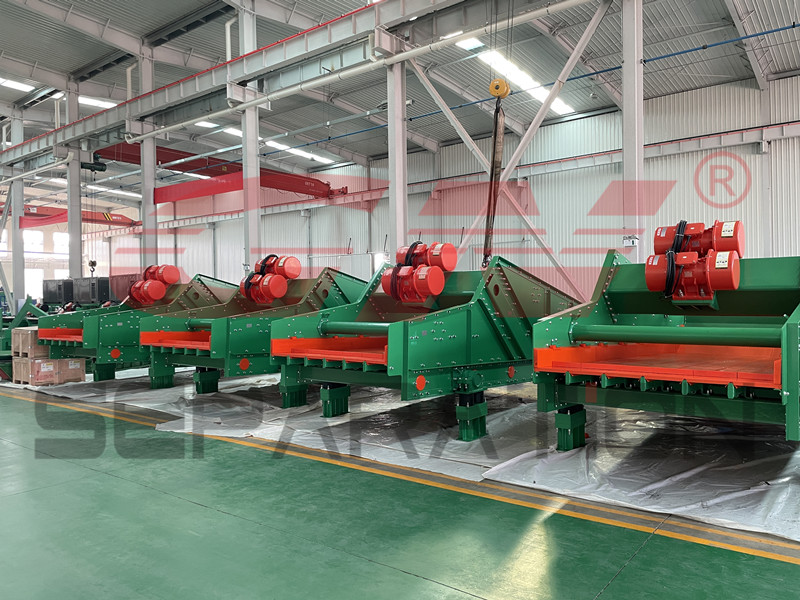
The GNLMZ1848 8-unit linear dewatering vibrating screen by GN Solids Control, as an innovative achievement in the domestic iron mine industry, is leading the way in industry transformation with its superior performance and broad application prospects. Its successful application not only demonstrates the advantages of linear dewatering technology but also showcases GN Solids Control‘s leading strength in the field of solid control equipment. Let’s look forward to more impressive performances of this vibrating screen in the future!
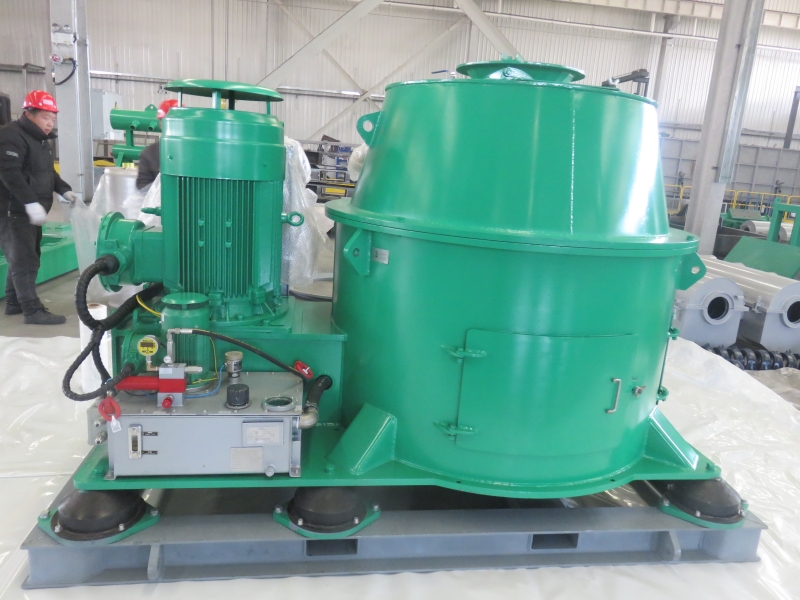
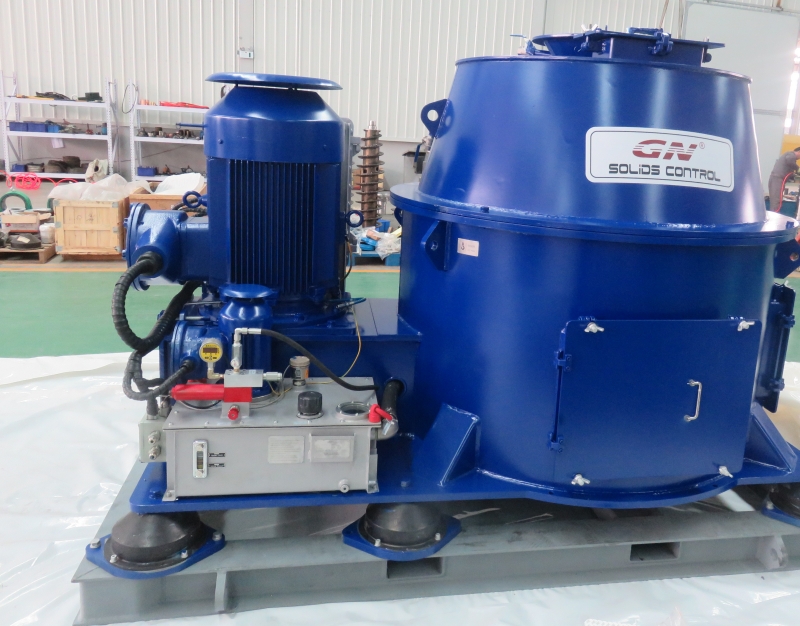
The Drilling Cuttings Dyer for Oil-based Cuttings Sold to Multiple African Clients

With the continuous growth of global energy demand, the oil and natural gas industry in Africa is also becoming increasingly prosperous. In this context, GN solids control‘s Drilling Cuttings Dyer for Oil-based Cuttings has successfully entered the African market and won the favor of multiple clients.

The Drilling Cuttings Dyer for Oil-based Cuttings is one of the important equipment in the process of oil and natural gas exploitation. It is used to dry the cuttings generated during drilling, reducing environmental pollution and resource waste. In Africa, due to the relatively backward drilling technology and equipment, there is a large demand for Drilling Cuttings Dyer for Oil-based Cuttings.

GN solids control’s Drilling Cuttings Dyer for Oil-based Cuttings adopts advanced technology and materials, with features such as high efficiency, stability, and energy saving, able to meet the needs of different clients. In the African market, the company’s products have been successfully applied to multiple oil fields and drilling platforms, receiving high praise and recognition from clients.

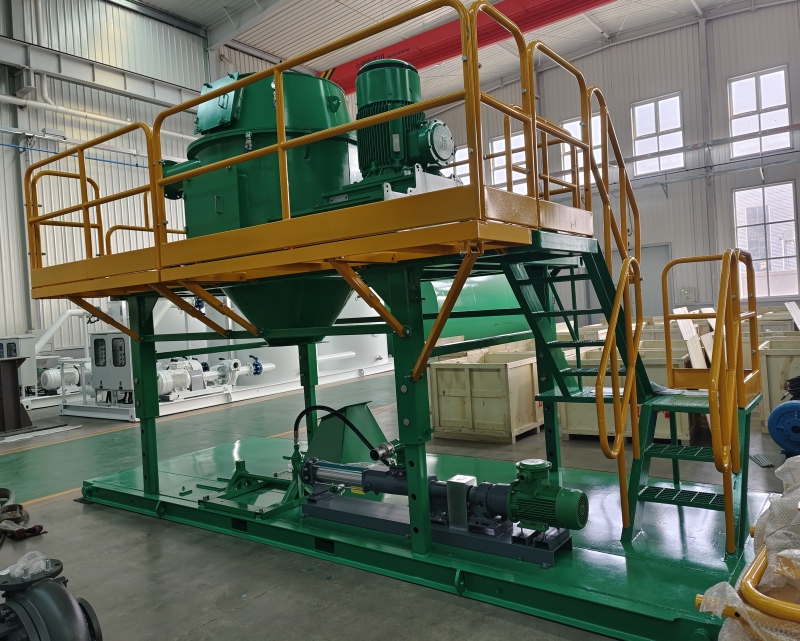
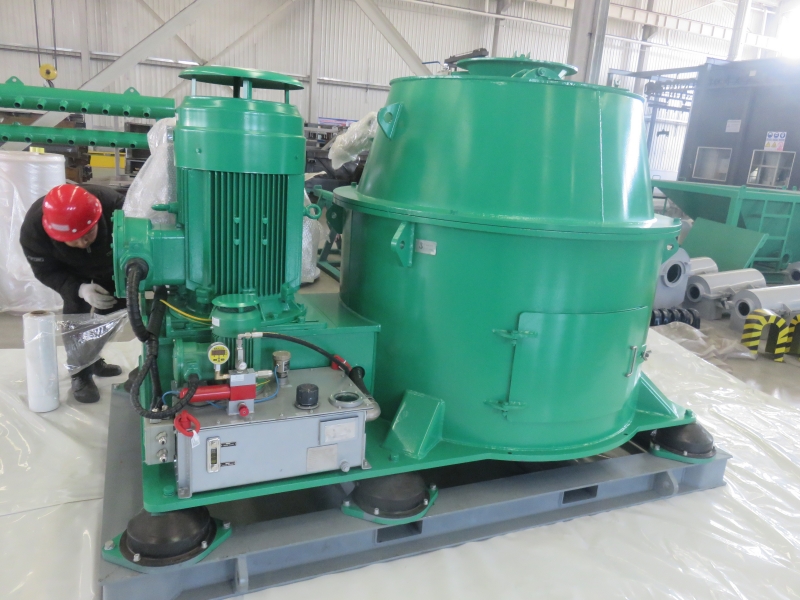
The working principle of Vertical Cuttings Dryer is as follows:

The centrifugal force is generated.

The internal of the Vertical Cuttings Dryer is usually equipped with a high-speed rotating drum, and the drum is equipped with a screen inside. When the drum rotates at high speed, the centrifugal force acts on the cuttings, allowing the cuttings and mud water to pass through the screen into the drum.

The effect of gravity.

Under the action of centrifugal force, the heavier cuttings are thrown onto the inner wall of the drum. As the drum rotates, the cuttings gradually slide down to the bottom of the drum and are discharged through the slag discharge port. The lighter mud water flows through the screen, collects in the collection tank under the equipment.

The role of the screen.

The screen design can effectively prevent large cuttings from passing through, while ensuring that the mud water can flow through smoothly. In addition, the screen can be replaced according to different needs to adapt to different particle sizes of cuttings.

Drying treatment.

The dried cuttings have low moisture content and can be further processed or directly transported. At the same time, the mud water in the collection tank can also be drained through pipelines for subsequent treatment or reuse.

OBM Vertical Cuttings Dryer for Several Africa Customer

GN Solids Control Co., Ltd. is a leading manufacturer of innovative solid control equipment for the global mining industry. With a focus on quality and performance, GN Solids Control offers a range of products that are not only efficient but also reliable, ensuring maximum productivity for its customers.

One of the company’s flagship products is the OBM Vertical Cuttings Dryer, a cutting-edge solution for drilling mud cleaning. Designed for use in Africa and other regions where similar challenges are encountered, the OBM Vertical Cuttings Dryer offers several key features and benefits.

Firstly, the dryer is designed for maximum efficiency, ensuring that drill cuttings are dried quickly and effectively. This not only improves the overall productivity of drilling operations but also reduces the amount of waste generated during the process.

Secondly, the OBM Vertical Cuttings Dryer is built to withstand the harshest conditions, making it suitable for use in Africa’s diverse climates and terrain. Whether in the desert or the jungle, the dryer’s robust construction ensures consistent performance over time.

Furthermore, the dryer is easy to operate and maintain, thanks to its user-friendly design and intuitive controls. This not only reduces the operational costs associated with training and maintenance but also ensures that operators can get up and running quickly, minimizing downtime.

In addition to its efficiency and reliability, the OBM Vertical Cuttings Dryer offers a cost-effective solution for its customers. With its competitive pricing structure, GN Solids Control Co., Ltd., is committed to providing its customers with quality equipment at an affordable price.

The company has a strong track record of serving customers across Africa and beyond. Its commitment to customer satisfaction is paramount, with a dedicated team of professionals providing support and assistance before, during, and after the sale.

Whether you’re a small-scale miner or a large-scale operator, GN Solids Control Co., Ltd., has the experience and expertise to meet your solid control equipment needs. With a focus on innovation and quality, the company is well-positioned to continue serving its customers worldwide for many years to come.

GN Solids Control, a leading oil & gas industry equipment manufacturer based in China, has successfully sold advanced euqipment to one Asia’s trenchless customers.

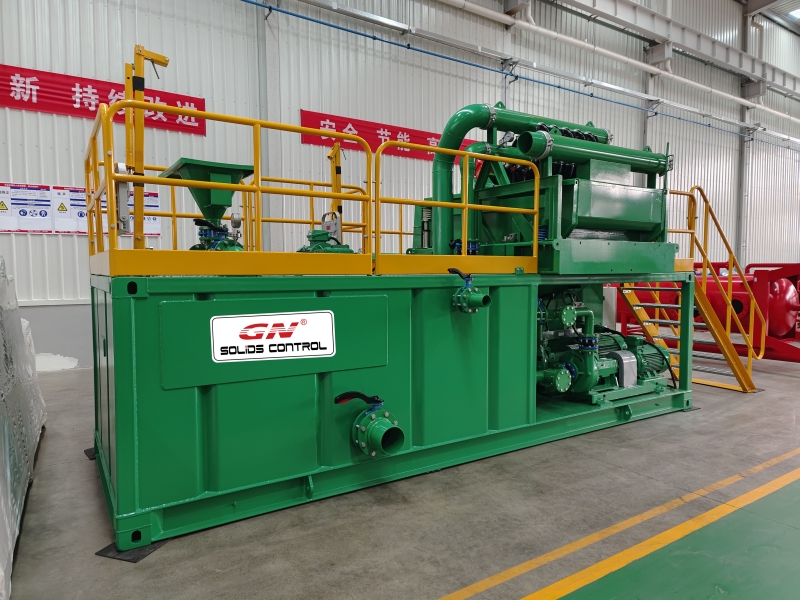
Recently,  2 sets of GNMS-1500GPM mud water separation and 1 set of GNMS-200 mud recovery systems have been sold to one of our Asia’s trenchless customers. This sale not only represents the market recognition of our product quality, but also demonstrates our professionalism and technological strength in the field of trenchless technology.

The specific role of mud cleaning system in trenchless engineering is as follows:

1. Protecting pipelines and surrounding soil

In trenchless construction, the mud cleaning system is first used to form a mud ring to protect pipelines and the surrounding soil. This way, the pipelines can be well protected from vibration during construction, preventing deformation or damage to the pipelines.

2.Controlling soil settlement

The mud cleaning system can also fill voids and holes, reducing the looseness of the soil and enhancing its bearing capacity. This prevents pipeline breaks or damage due to soil settlement during construction.

3.Preventing groundwater infiltration

During drilling, the mud not only protects the pipeline, but also prevents groundwater infiltration and keeps the construction area dry. If the drilling may affect the surrounding ecological environment, the mud can protect groundwater and thus protect the surrounding ecological environment.

4.Controlling project costs

By adjusting the water content of the mud, its fluidity can be improved, accelerating construction progress. The water content and fluidity can be adjusted according to actual needs, ensuring that construction progress is not affected, thereby controlling project costs.

5.Improving project efficiency

The mud cleaning system can fill voids and holes, increase the bearing capacity of the formation, reduce drilling difficulty and time. At the same time, it can also accelerate construction progress, thereby reducing construction time and cost.

In summary, the mud cleaning system plays an important role in protecting pipelines, controlling soil settlement, preventing groundwater infiltration, controlling project costs, and improving project efficiency in trenchless engineering. Thanks to the existence of mud cleaning systems, trenchless construction has been widely used in urban underground facility construction.

Proper handling and recovery of mud is crucial in trenchless projects, as it directly impacts the progress and quality of the work. Our mud water separation and mud recovery systems are designed to effectively process mud, separating water and solid materials, and providing an environmentally friendly method of mud recovery.

In the future, GN Solids Control will continue to focus on market demand and technological development, continuously launching more advanced and environmentally friendly mud water separation and mud recovery systems. We look forward to cooperating with more trenchless customers to jointly promote the development of trenchless engineering and make greater contributions to environmental protection.

Desanding Plant and Mud Recycling System for Asia HDD Client

In the dynamic and rapidly developing field of HDD (Horizontal Directional Drilling), Asia’s HDD clients face unique challenges. From complex geologies to environmental regulations, the demands on drilling operations are constantly evolving. To meet these challenges, GN Solids Control has developed a cutting-edge desanding plant and mud recycling system tailored specifically for the Asian market.

GNMS-1500GPM

GNMS-200

The system, which includes 2 GNMS-1500GPM treating units and 1 GNMS-200 unit, offers a comprehensive solution for HDD operations. The GNMS-1500GPM is a high-capacity mud separation unit, designed to process large volumes of drilling mud. It removes solids, sludge, and other impurities, ensuring a clean and consistent mud flow. The GNMS-200, on the other hand, is a mobile mud recycling system that can be easily transported to remote drilling sites. It recycles the processed mud, reducing the need for fresh mud and lowering operational costs.

With its advanced technology and user-friendly design, the GN Solids Control desanding plant and mud recycling system offers a sustainable and cost-effective solution for HDD clients in Asia. It addresses the region’s unique challenges and sets a benchmark for sustainable drilling practices, paving the way for future advancements in the industry.


The GN Solids Control desanding plant and mud recycling system is a testament to GN Solids Control’s commitment to innovation and customer satisfaction. The company, headquartered in Tangshan, China, has a rich history in the development of solids control solutions for the drilling industry. With a dedicated team of experts and a focus on research and development, GN Solids Control continues to pioneer advanced technologies that meet the evolving needs of HDD clients worldwide.

The GNMS-1500GPM and GNMS-200 are the latest additions to the company’s portfolio of products, designed to deliver exceptional performance and reliability. The systems have been field-tested and proven effective in a range of drilling applications, from shallow to deep boreholes, in various geological conditions.

The desanding plant and mud recycling system is not just about technology, it’s about improving efficiency, reducing environmental impact, and enhancing safety in HDD operations. At GN Solids Control, we believe in sustainable drilling practices that balance economic growth with environmental responsibility.

Asia’s HDD market offers significant opportunities for growth, and GN Solids Control is well-positioned to support clients with our advanced desanding plant and mud recycling system. We look forward to working closely with our clients to achieve their drilling objectives while minimizing environmental impact.

Drilling Waste Management and Solids Control Equipment for European client

GN Solids Control Co., Ltd., a leading manufacturer of drilling waste management and solids control equipment, is proud to announce that another consignment of products is shipping to our client in Europe. With our focus on innovation and quality, the company offers a range of products designed to improve drilling efficiency and reduce waste in the oil and gas industry.

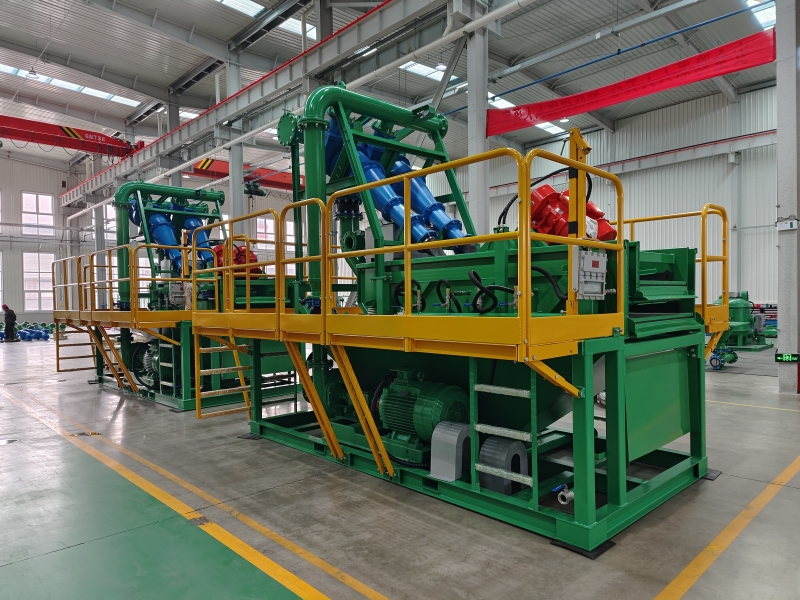
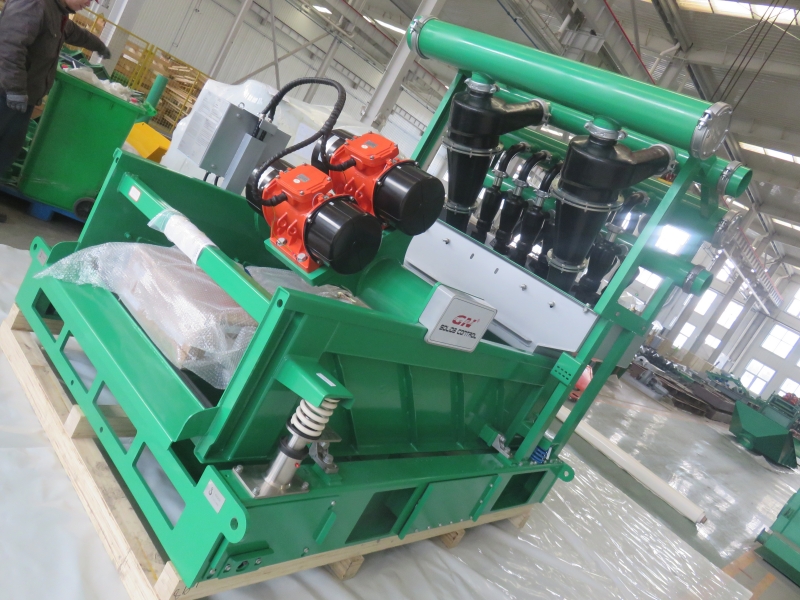
The company’s flagship products, including the GNZJ594J-2S12N Mud Cleaner, Decanter Centrifuge, and Vertical Cutting Dryer, are specifically tailored for European drilling operations. These advanced machines provide efficient solids control and waste management solutions, ensuring clean drilling fluids and reducing the environmental impact of drilling activities.

The GNZS594J-SHBJS shale shaker is a key component of any drilling operation, as it removes solids from the drilling fluid, maintaining fluid clarity and preventing blockages. The GNZJ594J-2S12N Mud Cleaner further purifies the fluid, removing fine solids and contaminants. The Decanter Centrifuge offers high-speed separation of solids and liquids, while the Vertical Cutting Dryer efficiently dries the drilled cuttings, reducing the volume of waste generated.

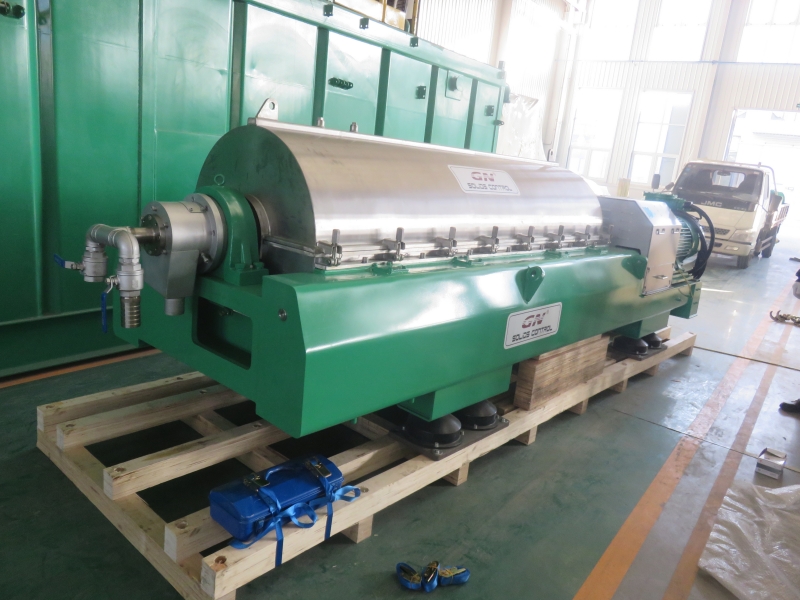
The GN Decanter Centrifuge is a highly efficient solids control equipment designed for the oil and gas industry. It separates solids and liquids quickly, ensuring clean drilling fluids and reducing the environmental impact of drilling activities. The GN Decanter Centrifuge offers maximum uptime with minimal maintenance requirements, making it an invaluable addition to any drilling operation.

With a dedicated sales and support team, GN Solids Control Co., Ltd. is well-positioned to serve its European clients. The company’s commitment to innovation and customer satisfaction has already made it a trusted partner in the industry, and its expansion into Europe will further solidify its position as a global leader in drilling waste management and solids control equipment. We will always be more than happy to solve your problems throughout the whole process of the waste management & solids control.

Drilling Waste Management and Solids Control Equipment for European client

GN Solids Control Co., Ltd., a leading manufacturer of drilling waste management and solids control equipment, is proud to announce that another consignment of products is shipping to our client in Europe. With our focus on innovation and quality, the company offers a range of products designed to improve drilling efficiency and reduce waste in the oil and gas industry.

The company’s flagship products, including the GNZJ594J-2S12N Mud Cleaner, Decanter Centrifuge, and Vertical Cutting Dryer, are specifically tailored for European drilling operations. These advanced machines provide efficient solids control and waste management solutions, ensuring clean drilling fluids and reducing the environmental impact of drilling activities.

The GNZS594J-SHBJS shale shaker is a key component of any drilling operation, as it removes solids from the drilling fluid, maintaining fluid clarity and preventing blockages. The GNZJ594J-2S12N Mud Cleaner further purifies the fluid, removing fine solids and contaminants. The Decanter Centrifuge offers high-speed separation of solids and liquids, while the Vertical Cutting Dryer efficiently dries the drilled cuttings, reducing the volume of waste generated.

With a dedicated sales and support team, GN Solids Control Co., Ltd. is well-positioned to serve its European clients. The company’s commitment to innovation and customer satisfaction has already made it a trusted partner in the industry, and its expansion into Europe will further solidify its position as a global leader in drilling waste management and solids control equipment.

Shale Shaker

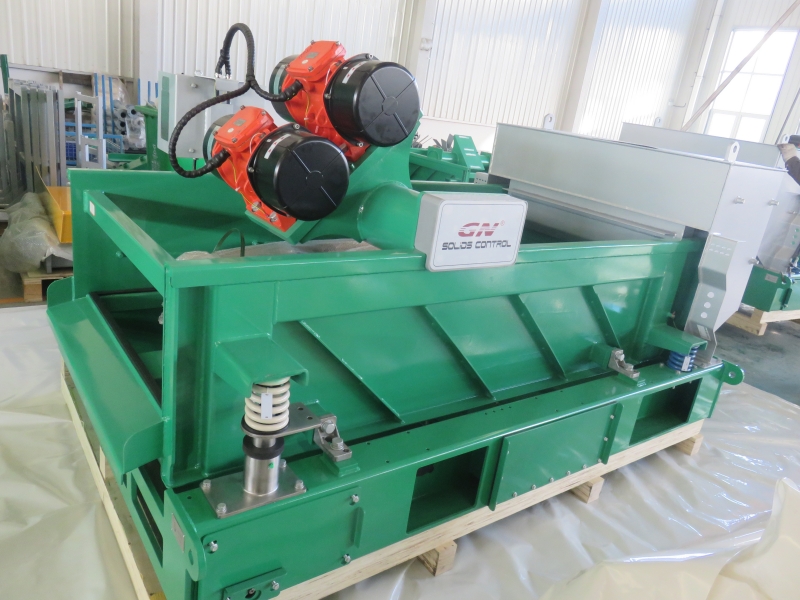
A shale shaker is a crucial equipment used in the drilling industry, particularly in the oil and gas sector, during the process of drilling for hydrocarbons. Its primary function is to separate and remove large solids from the drilling fluid or mud, which helps in maintaining the drilling fluid properties and preventing damage to downstream equipment. At GN our shale shakers have OLI or US Martin brand vibration motors and our control panels with Siemens or Schneider Components. We have prementioned composite frame screen with gear unit for fast screen change and longer screen life. The heavy duty design and heat treatment for the shaker basket to get the adjustable G force up to 8.0g. Our shale shaker has an adjustable deck angle, and can be adjusted while working. Here are some parts and important information of shale shaker. The drilling fluid, also known as mud, is directed onto a vibrating screen on the shale shaker. The shale shaker is equipped with one or more vibrating screens or sieves with different mesh sizes. These screens allow smaller particles and liquid to pass through while retaining larger solids. The shale shaker uses a vibrating motion to convey the drilling fluid through the screens. The vibration helps to separate the solid particles from the liquid mud. As the mud passes over the vibrating screens, the solids are separated based on their size. The larger cuttings are retained on the screens, while the smaller particles and liquid pass through. The separated solids are then collected in a trough or pan beneath the screens. This trough directs the cuttings to a designated area for further processing or disposal. Effective solids control through shale shakers is crucial for maintaining the overall drilling efficiency and reducing wear and tear on downstream equipment like mud pumps and mud motors. Shale shakers are typically part of a larger drilling fluid system that includes other equipment such as desilters, desanders, and centrifuges for further refining the drilling fluid. The choice of shale shaker and its settings depend on various factors, including the type of drilling operation, the characteristics of the drilling fluid, and the specific requirements of the well being drilled. Our GN shale shakers are very user friendly and very dependable. Our patents and our design leads a lot successful operations and through this dedication our clients grow relationship with GN.

shale shaker 1

Chemical Dosing System

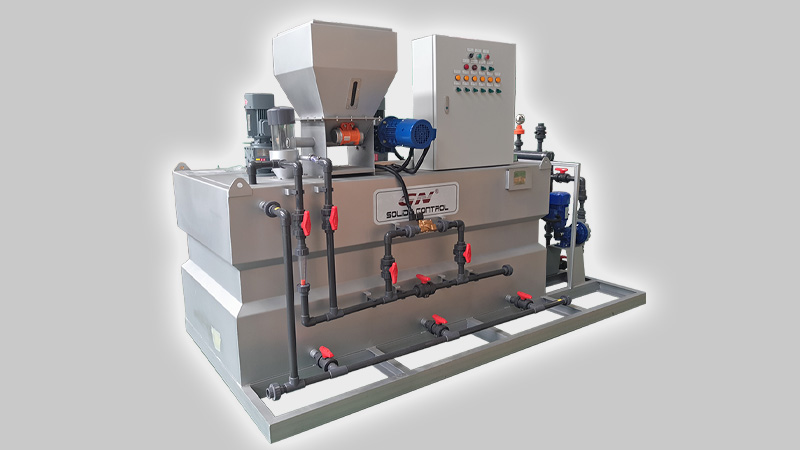
A chemical dosing system is a mechanism or set of equipment designed to accurately and efficiently introduce chemicals into a process or system. These systems are widely used in various industries such as water treatment, wastewater treatment, industrial processes, and chemical manufacturing. The goal of a chemical dosing system is to control the dosage of chemicals to achieve specific outcomes, such as water disinfection, pH adjustment, coagulation, flocculation, corrosion inhibition, and more. GN we have a manual and automatic dosing system. Here are some key parts of the chemical dosing system. Chemical Storage Tanks are thanks that hold the chemicals to be dosed. They can range in size depending on the application and the volume of chemicals required. Controllers are devices that monitor and regulate the dosing process. They can be programmed to adjust dosage rates based on real-time conditions, such as flow rates, pH levels, or other relevant parameters. Sensors and Analyzers are devices measure the chemical concentrations or other relevant parameters in the system. Common sensors include pH meters, conductivity sensors, turbidity meters, etc. Tubing and Piping transport the chemicals from the storage tanks to the dosing pumps and then into the system being treated. Valves control the flow of chemicals through the system, and fittings ensure proper connections between different components. Chemical dosing systems often include safety features such as leak detection, alarms, and emergency shutdown mechanisms to prevent accidents and ensure the safe handling of chemicals. GN also has containerized combined chemical dosing system is mainly used in outdoor environment. It is rain and dust resistant, providing a safe and comfortable operating environment for operators, and facilitate the movement and transportation of the workplace. GN containerized combined chemical dosing system is composed of automatic dosing unit, several mixing barrel dosing unit and heat preservation containers. The thermal insulation container is designed according to the standard of camping house, including doors, windows, lighting system, embedded cables, water inlet and slag outlet Chemical dosing systems are crucial for maintaining optimal process conditions, ensuring product quality, and meeting regulatory requirements. They are widely employed in municipal water treatment plants, industrial facilities, and other settings where precise chemical control is necessary for operational success and environmental compliance. . To show how GN has an advance approach at these dosing systems, and how we can modify them to clients special request.


2020.07.08 Polymer Dosing Unit

Decanter Centrifuge

A decanter centrifuge, also known simply as a decanter, is a specialized type of centrifuge used in various industrial processes for separating solids from liquids. It is particularly effective in applications where the solids and liquids have a significant difference in density. The decanter centrifuge operates on the principle of sedimentation, where centrifugal force is used to accelerate the settling of particles. At GN we have may different sizes of decanter centrifuges. These machines have been operating according to the same basic principle since the 19th Century. Gn produces from 9inch to 30inch bowl. The main function of our centrifuges is dewatering sludge, and mud. Thickening sludge, clarifying different type of liquids, separating 3-phase mixtures, classifying solids in a wet suspension by grain size, and separation of solids according to various densities. The main industries of application of GN centrifuges is Oil and Gas drilling mud solids control, Drilling waste management, oil sludge treatment, HDD trenchless mud cleaning, Bored pile and TBM mud dewatering. Also in waste water treatment, chemical and pharmaceutical separation, mining and food and beverage industry. Our centrifuges are either fixed speed or controlled by VFD. A VFD system can change the bowl speed, differential speed, and pump capacity. It has a touch screen for user-friendly operation and smart control with protection. We also have a fully Hydraulic Drive Centrifuge, which is compact in design and makes it easier for rig set up. The centrifuge works in a way with feed inlet, The mud or slurry is added into the centrifuge through it. As the mixture enters the bowl, it experiences high rotational speeds. The centrifugal force generated by the rotation causes the denser solids to move outward toward the bowl wall, while the lighter liquid phase moves toward the center. The separation process occurs due to the density difference between the solids and the liquid. The centrifugal force acting on the particles causes them to settle at the bowl wall, forming a solid cake. Meanwhile, the clarified liquid, known as the centrate or effluent, collects in the center. To continuously discharge the separated solids, a scroll conveyor or auger inside the bowl rotates at a slightly different speed than the bowl itself. This differential speed helps convey the solids toward the discharge end of the centrifuge. Decanter centrifuges offer continuous and automated separation, making them efficient and suitable for large-scale industrial processes. They are a crucial tool in industries where separation and clarification of liquids and solids are vital for product quality, environmental compliance, or resource recovery.