Category Archives: Decanter Centrifuge

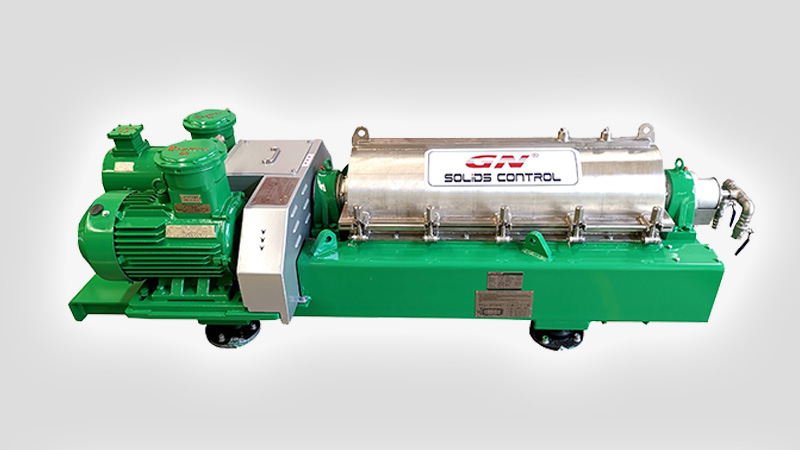
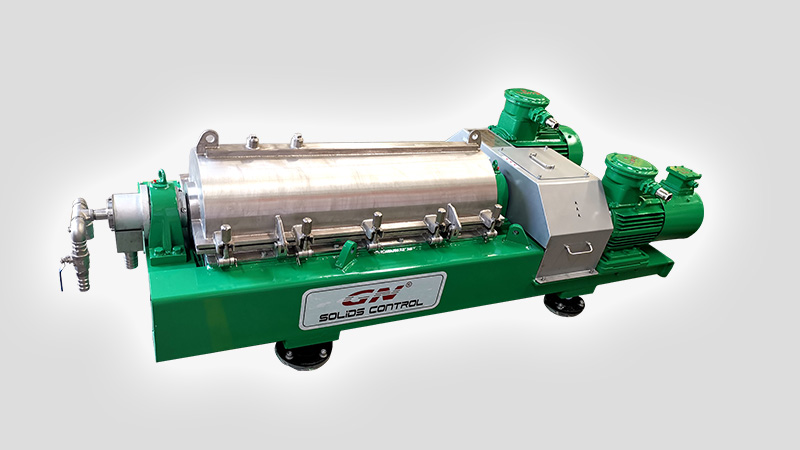
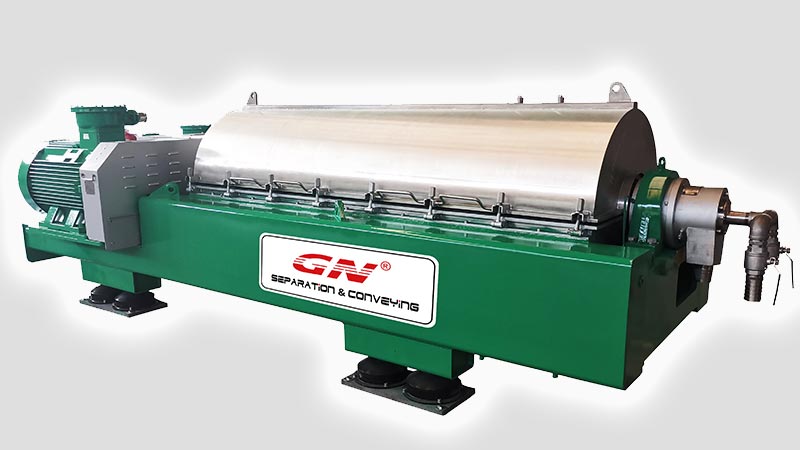
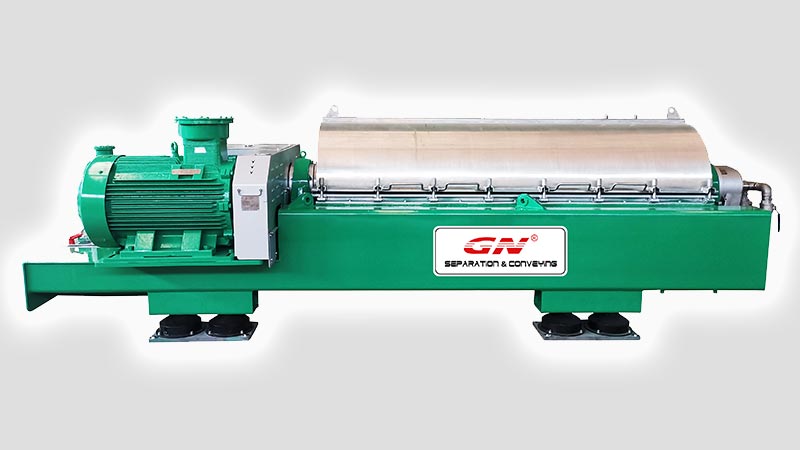
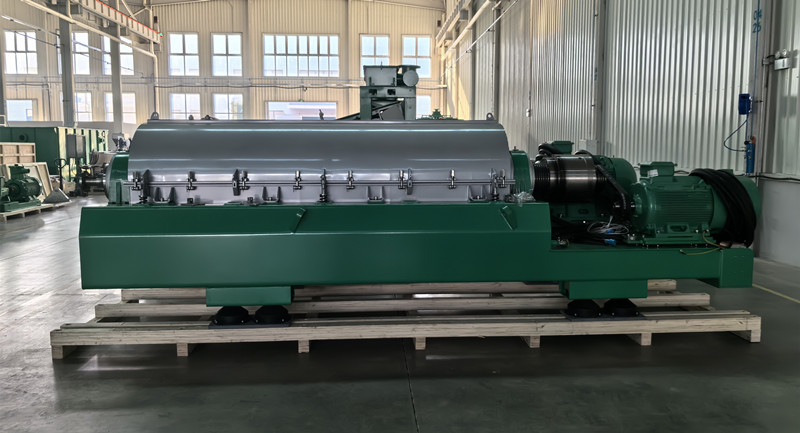
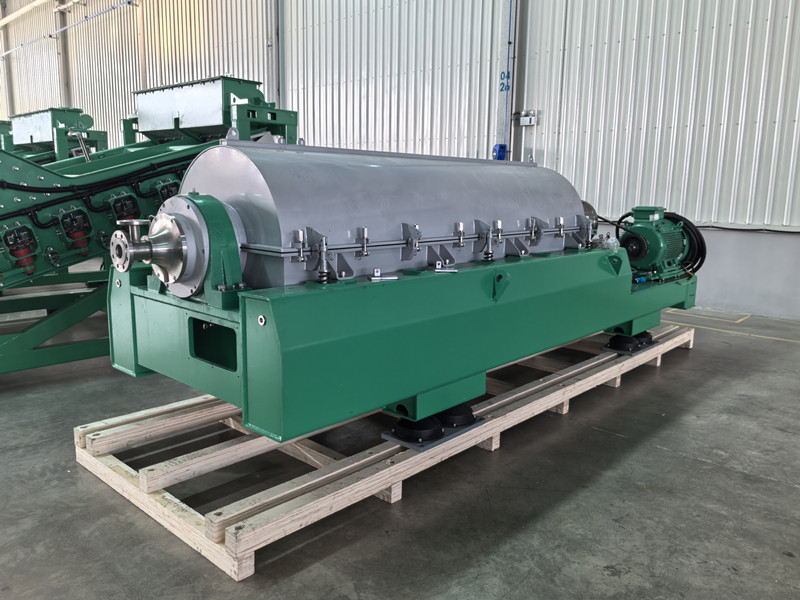
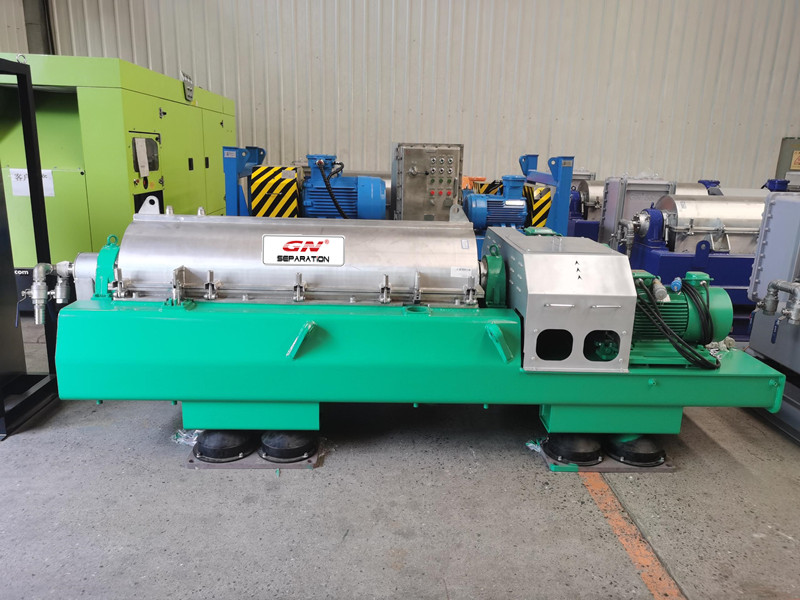
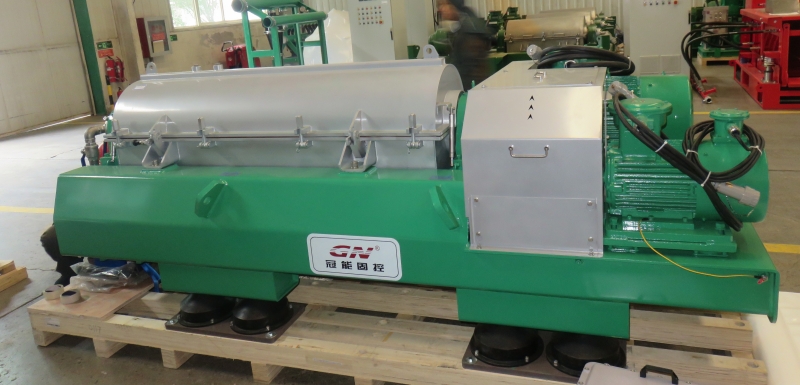
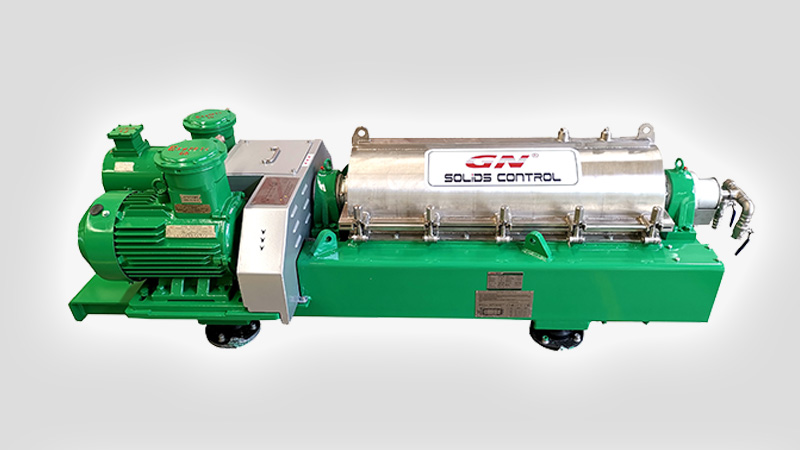
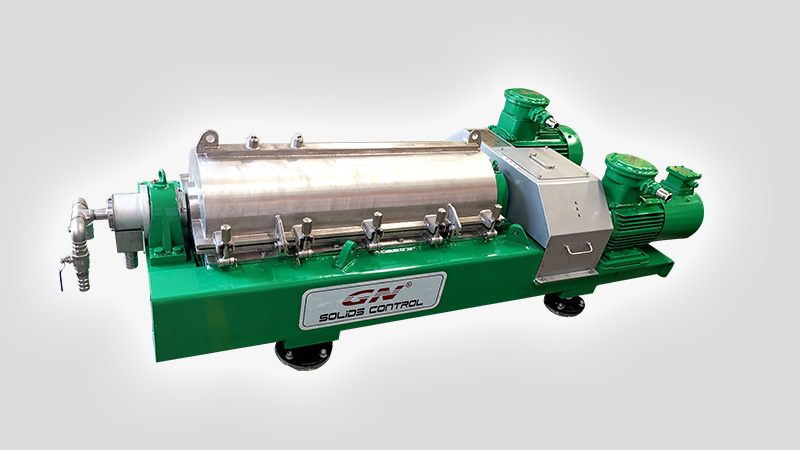
GN Clarifying Decanter Centrifuge: Efficient Separation for Complex Materials

Continuous Separation for Higher Efficiency

GN Clarifying Decanter Centrifuge, specifically designed as part of the C series, is engineered to provide continuous separation of suspensions into solids and clarified liquids. Unlike batch separation methods, this centrifuge allows for the uninterrupted feed of material, making it ideal for processes requiring consistent and high-quality separation.

Optimized Design for Better Performance

One of the key features of the C series is its 20-degree beach angle, which contributes to a unique design that optimizes the decanter’s performance. The short cone section of the bowl, designed for dewatering, facilitates the rapid removal of solids, while the longer straight section enhances the clarification process. This design ensures that the centrifuge is particularly effective in handling materials with small particle sizes, low density differences between solids and liquids, moderate viscosity, and moderate concentration.

Tailored for Food and Pharmaceutical Industries

What sets the GN Clarifying Decanter apart is its versatility. The machine can be customized to meet the stringent health and safety standards required in the food and pharmaceutical industries. In these sectors, maintaining hygienic conditions is critical, and GN centrifuges are capable of meeting those requirements. Whether it’s the washing or health protection needs in food processing or pharmaceutical applications, the decanter’s design can be tailored to ensure compliance with industry-specific regulations.

Durable and Corrosion-Resistant Construction

The centrifuge’s construction is another standout feature. The shaft caps at both ends and the bowl are crafted from duplex stainless steel (SUS2205 or SUS2304), which is far superior to the performance of traditional SUS304 and SUS316 stainless steels. This material choice enhances durability and resistance to corrosion, ensuring a longer operational lifespan. The components are manufactured through centrifugal casting and die forging, processes that avoid the issues commonly associated with traditional welding methods, such as intergranular corrosion and residual stress.

Innovative Screw Blade for Enhanced Efficiency

Additionally, GN decanter utilizes a CNC-pressed spiral screw blade, which offers superior performance compared to the traditional drawn screw blades. This blade design improves the efficiency of solid transportation and enhances the press force, resulting in drier solids. The screw blade can also be designed with gradual changes in shape to optimize the efficiency of both transport and pressing, further increasing the performance and productivity of the centrifuge.

Conclusion

In conclusion, GN Clarifying Decanter Centrifuge offers a high-efficiency, customized solution for a wide range of separation applications. Its robust construction, hygienic design, and innovative features make it a reliable and effective choice for industries where performance and compliance are essential.

Causes of Motor Bearing Overheating in Decanter Centrifuges

A decanter centrifuge is a widely used piece of equipment in laboratories, commonly applied in biology, chemistry, medicine, and various scientific research, education, and production settings. It utilizes the strong centrifugal force generated by the high-speed rotation of the rotor to separate solid particles from liquids or to separate liquid mixtures. It is particularly suitable for the rapid separation and analysis of trace samples.

Continue reading

The Importance of a Centrifuge in Dewatering: How It Works and Its Applications

Dewatering centrifuge is a crucial piece of equipment used in many industries to separate solid particles from liquids by applying centrifugal force. The process, commonly referred to as centrifugal dewatering, is especially useful in industries such as wastewater treatment, mining, food production, and even pharmaceuticals.

How Does a Dewatering Centrifuge Work?

At its core, a dewatering centrifuge operates by spinning a slurry (a mixture of solids and liquids) at high speeds. This spinning action generates centrifugal force, which pushes the heavier solid particles outward, while the lighter liquid is forced toward the center. This separation process allows for the efficient removal of water or other liquids, leaving behind solid material that can then be disposed of or further processed.

Applications in Wastewater Treatment

One of the primary applications of dewatering centrifuges is in wastewater treatment plants. Municipalities and industries alike rely on these machines to remove excess water from sludge, reducing its volume and making it easier and more cost-effective to dispose of or recycle. By reducing the moisture content of sludge, centrifuges help in reducing transportation costs, minimizing landfill space, and even recovering valuable resources.

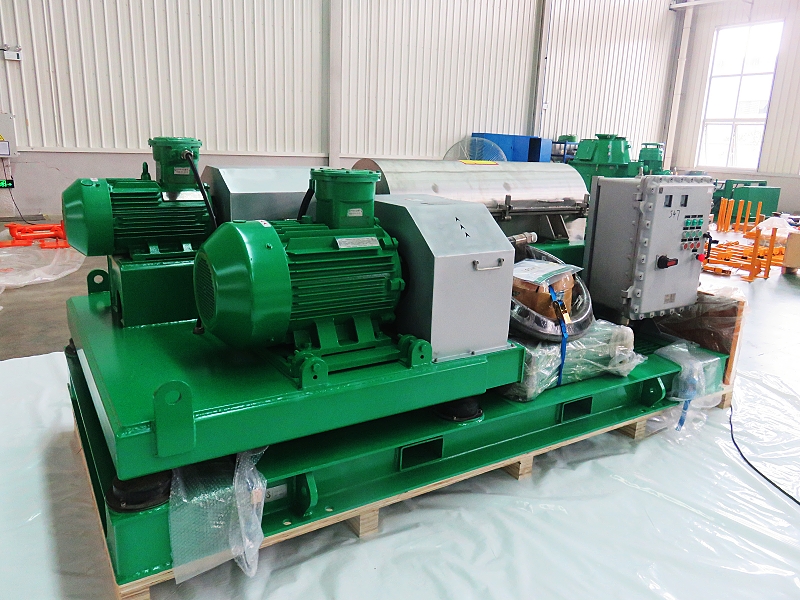
GN dewatering decanter centrifuge is T series decanter centrifuge with beach angle of 8.5 Degrees. GN T series decanter centrifuge is usually used dewatering and thickening purpose. It is widely used for maximum dewatering requirements of municipal and industrial wastewater sludge.

Mining Industry Benefits

In the mining industry, dewatering centrifuges are essential for extracting valuable minerals from slurry produced during extraction processes. The centrifuge helps to recover more of the precious material while also minimizing waste. It also plays a significant role in the dewatering of tailings, reducing environmental impact by preventing water contamination.

The Role in Food Production

Food production is another industry that benefits from dewatering centrifuges. In processes like juice production or the extraction of oils from seeds, a centrifuge helps separate liquids from solids, enhancing the purity of the final product while increasing overall production efficiency.

Pharmaceutical and Chemical Industry Uses

The pharmaceutical and chemical industries also make use of dewatering centrifuges to separate liquids from solid substances during the production of drugs or chemicals. In these sectors, high purity and precision are often essential, and dewatering centrifuges provide an effective solution for removing excess liquids without contaminating the product.

Conclusion

In conclusion, dewatering centrifuges are indispensable in industries that require efficient separation of solids and liquids. GN Sepration is dedicated to solving any difficult separation problems for clients.


GN Centrifuges in Wastewater Treatment

Centrifuges are vital equipment in wastewater treatment plants, primarily used for dewatering sludge, which is a byproduct of the treatment process. Sludge contains both solid particles and water, and centrifuges help separate the two through rapid spinning. This high-speed rotation creates centrifugal force, pushing denser solids toward the edges while the lighter liquid remains at the center. This separation process helps reduce the volume of sludge, making it easier to handle, transport, and dispose of, which significantly cuts down on operational costs.

How GN Centrifuges Work in Wastewater Treatment

In wastewater treatment, GN centrifuges are used after the primary treatment process when solid particles settle and form sludge. The centrifuge spins the sludge at high speeds, causing the water to be expelled from the solid particles. The result is a concentrated sludge “cake,” which is more manageable for disposal. The liquid removed, often referred to as “centrate,” can be treated and reused in the treatment plant, which helps conserve water and improves overall sustainability.

Benefits of Using GN Centrifuges

Centrifuges offer several advantages in wastewater treatment. They are highly efficient in reducing the volume of sludge, which decreases the need for costly landfill space and transport. Additionally, the recovery of water through centrifugation helps minimize the use of fresh water, supporting sustainability efforts. While the initial investment in a centrifuge can be high, the long-term savings in energy, disposal, and water reuse make it a cost-effective solution. Furthermore, centrifuges are capable of processing various types of sludge, making them a versatile choice for many industries.

Environmental and Operational Impact

The use of centrifuges in wastewater treatment also benefits the environment by reducing the volume of waste sent to landfills. By efficiently separating water from sludge, centrifuges contribute to a cleaner environment and reduce the carbon footprint of wastewater plants. While they do require regular maintenance and occasional pre-treatment of the sludge, their ability to handle large volumes of material quickly makes them indispensable in modern wastewater treatment systems.

In conclusion, centrifuges are an essential technology in wastewater treatment, offering both economic and environmental advantages. They improve the efficiency of sludge dewatering, reduce waste, and help conserve valuable resources, playing a key role in making wastewater treatment more sustainable and cost-effective.


Cause Analysis of Slow Dehydration in Decanter Centrifuges

A decanter centrifuge is a highly efficient piece of centrifuge equipment. Decanter centrifuges are generally divided into two types: horizontal spiral filter centrifuges and horizontal spiral sedimentation centrifuges. Some users, however, have reported encountering issues with slow dehydration performance during operation. The specific problem involves an increase in the amount of material accumulating in the drum, which results in prolonged dehydration times and insufficient drying. This phenomenon is not uncommon, and in this article, I will analyze and attribute the possible causes of this issue. Continue reading

GN 3-Phase Centrifuge Ready To Serve Oilve Oil Waste Treatemt

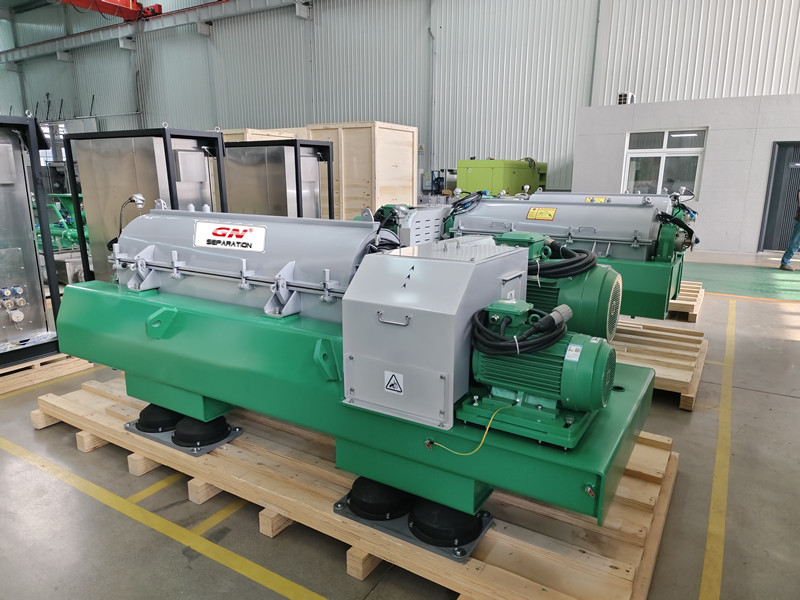
Recently, GN Separation completed the manufacturing and testing of two GNLWS554 Three-Phase Decanter Centrifuges. These centrifuges have been sent to North Africa to recover oil from olive oil sludge, a byproduct of production.

How GN 3-phase Decanter Centrifuge Operate

GN 3 phase decanter centrifuge is mainly designed for Solid-liquid-liquid three-phase separation of materials.With our over 10 years of experience in the separation industry, it is the most advanced type machine for 3 phase separation. It is designed for 24 hours continuous and smooth operation throughout the day. It is mainly composed of driving system, decanter bowl, screw conveyor inside the bowl, cover box, skid and VFD control panel.

They are advanced machines used to separate mixtures into solids, light liquid (often oil), and heavy liquid (like water). The process starts by introducing the mixture into a rapidly rotating centrifuge bowl. The centrifugal force separates the components, pushing the heavier ones to the bowl’s wall and the lighter liquid to the center. A scroll propeller moves the settled solids to the discharge end, preventing re-mixing. Meanwhile, the light and heavy liquids are discharged separately from different outlets.

Application in Olive Oil Production and Sludge Treatment

Olive oil production creates large amounts of waste sludge with reusable oil. Traditional disposal methods are harmful to the environment and waste resources. The GNLWS554 centrifuges provide a sustainable solution by effectively separating the oil from the sludge, enabling its recovery for reuse in production or other applications.

Key Features of GNLWS554 Centrifuge

GN Separation’s GNLWS554 3-phase decanter centrifuges are designed robustly and are well-suited for challenging applications such as olive oil sludge treatment. Key features include duplex stainless steel for high corrosion resistance in handling oil-laden sludge, a centrifugal casting process for reducing vibrations and wear, and a centripetal pump design for fine-tuning the separation process and achieving consistent separation efficiency. These attributes make the centrifuges reliable and effective in environments where downtime is costly.

In summary, GN Separation’s 3-phase decanter centrifuges utilize advanced materials and innovative technologies to efficiently recover valuable oil from waste sludge. For further details, please feel free tocontact GN.


Decanter Centrifuge-Critical Tool for Efficient Separation

Introduction

In the dynamic world of oil and gas exploration and production, the centrifuge stands out as a critical tool for efficient separation processes. This versatile machine is employed to separate various components of drilling fluids, cuttings, and produced fluids, ensuring the smooth operation of oilfield activities.

Oil and Gas Application

The primary application of centrifuges in the oil and gas sector is the removal of solids from drilling mud. Drilling mud, or drilling fluid, is essential for lubricating the drill bit, controlling pressure, and carrying cuttings to the surface. Centrifuges help in maintaining the mud’s properties by efficiently removing the unwanted solids, thus extending the mud’s life and reducing the need for frequent replacements.

Water Treatment

Moreover, centrifuges play a vital role in the process of produced water treatment. Produced water, which accompanies oil and gas during extraction, needs to be treated before it can be disposed of or reused. The centrifuge’s ability to separate oil, water, and solids makes it an indispensable part of the produced water treatment process, helping to meet environmental regulations and reduce operational costs.

In addition to these applications, centrifuges are also used in the separation of hydrocarbons from water and the dewatering of hydrocarbon streams. These processes are essential for the quality control and preparation of products for transport and sale.

About GN Decanter Centrifuge

The full name of the decanter centrifuge is the horizontal screw decanter centrifuge, which is a widely used equipment in the field of industrial solid-liquid separation. According to the characteristics of different materials in different industries, GN decanter centrifuge is divided into dewatering, separation, and clarifying decanter centrifuge. With centripetal pump technology, GN decanter centrifuge can also realize the 3-phase separation of liquid, liquid, and solids. GN decanter centrifuges are widely used in the industry, and the products are exported to more than 60 countries and regions in the world, and have won high praise from customers.