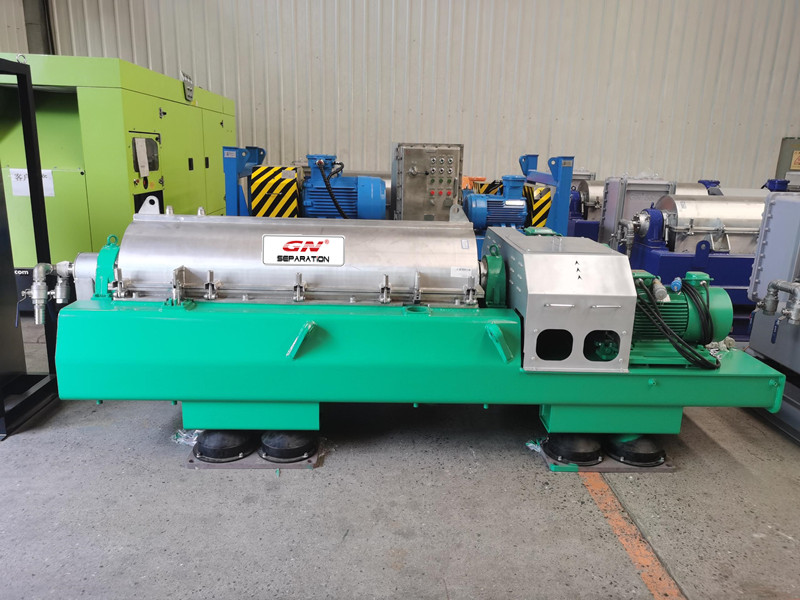
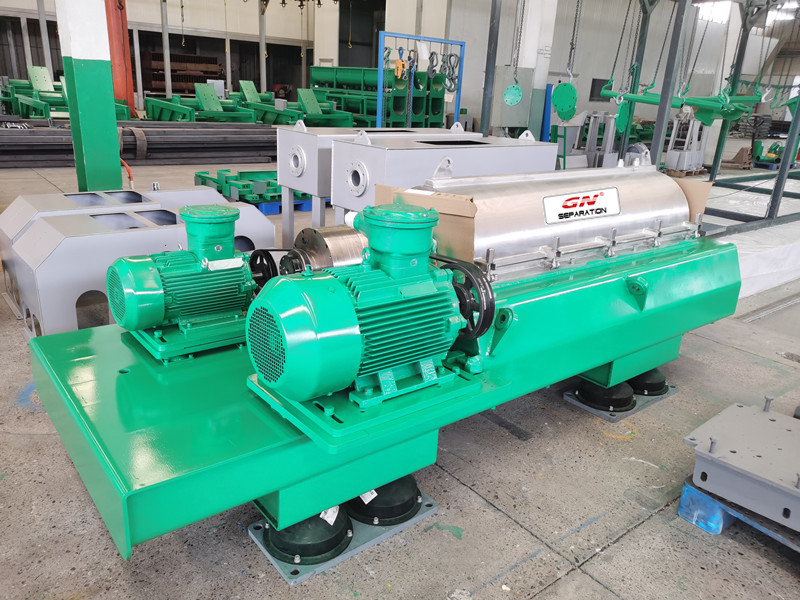
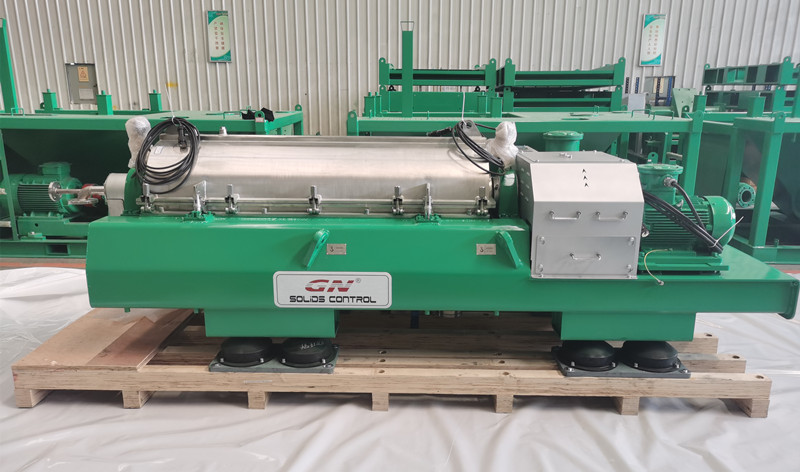
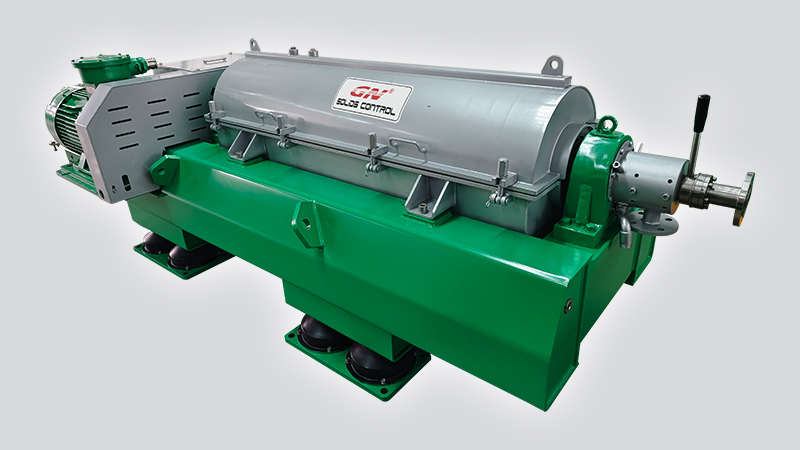
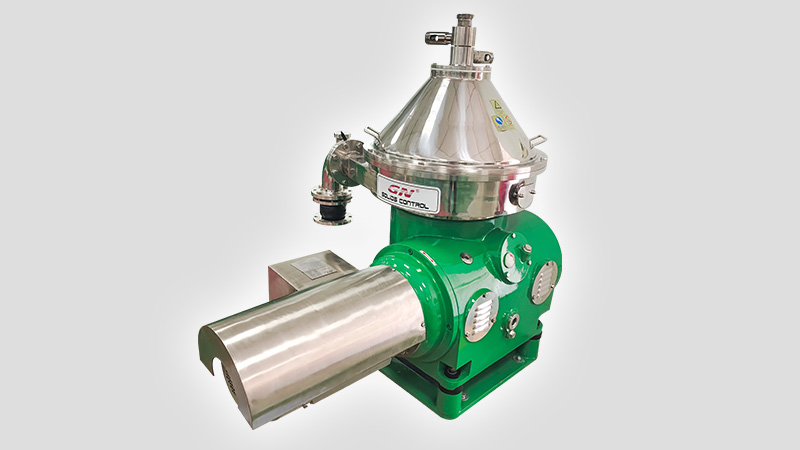
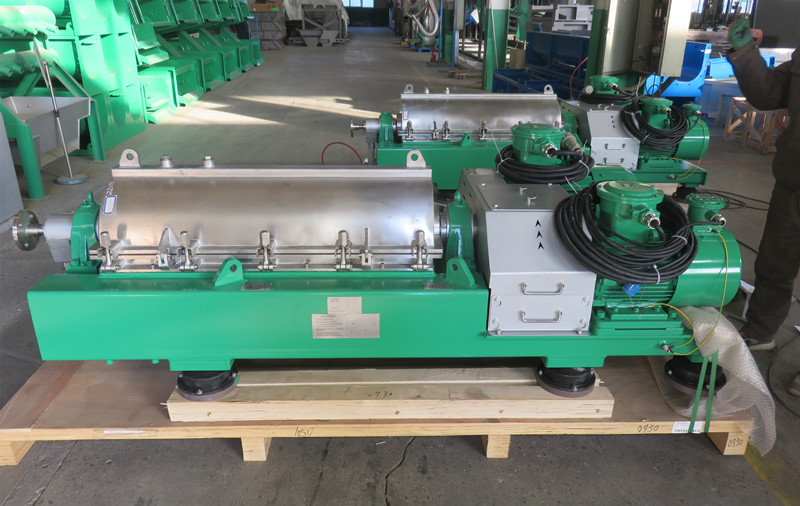
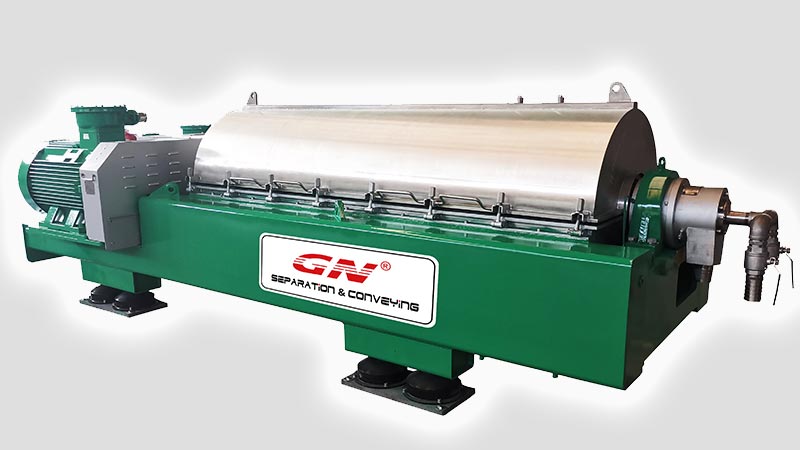
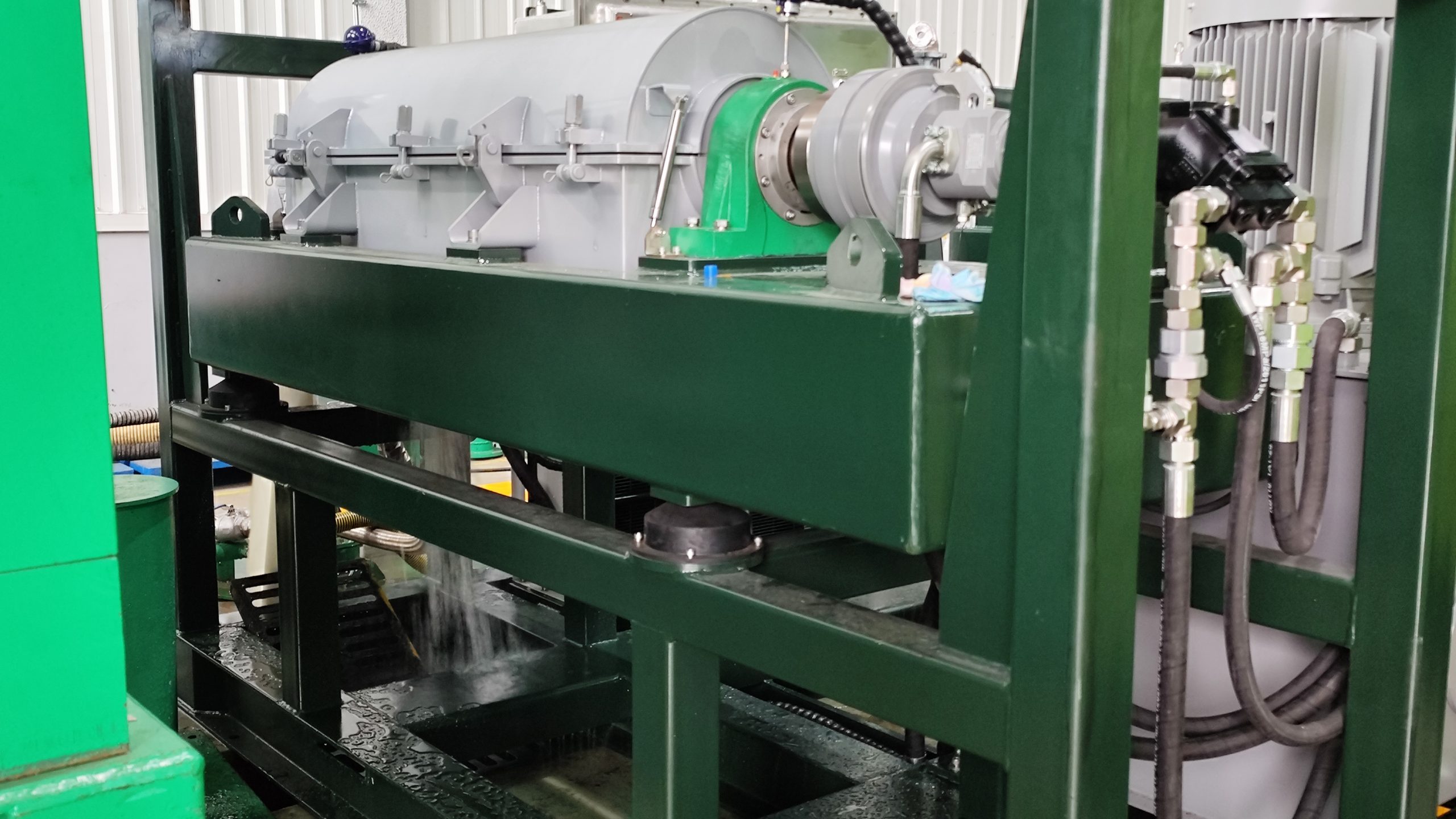
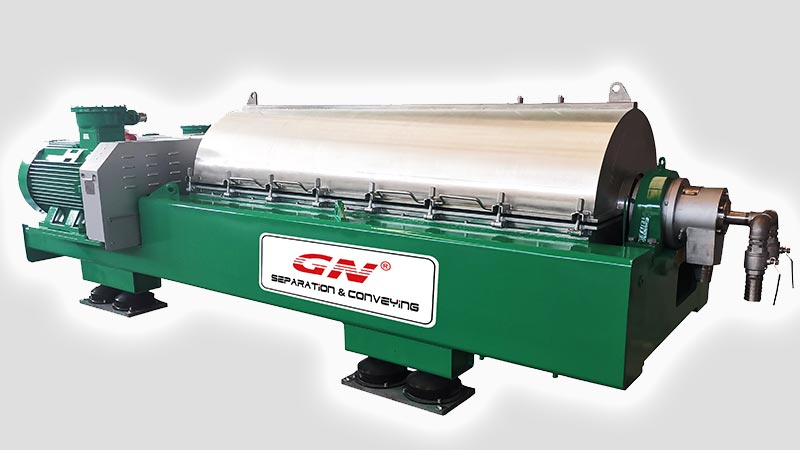
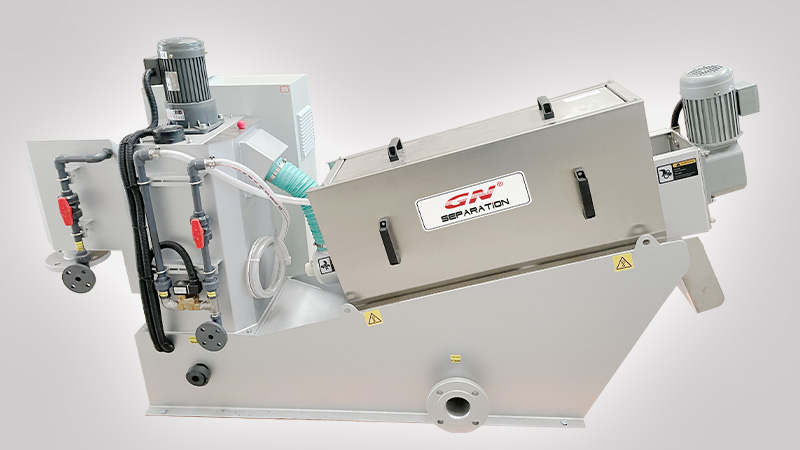
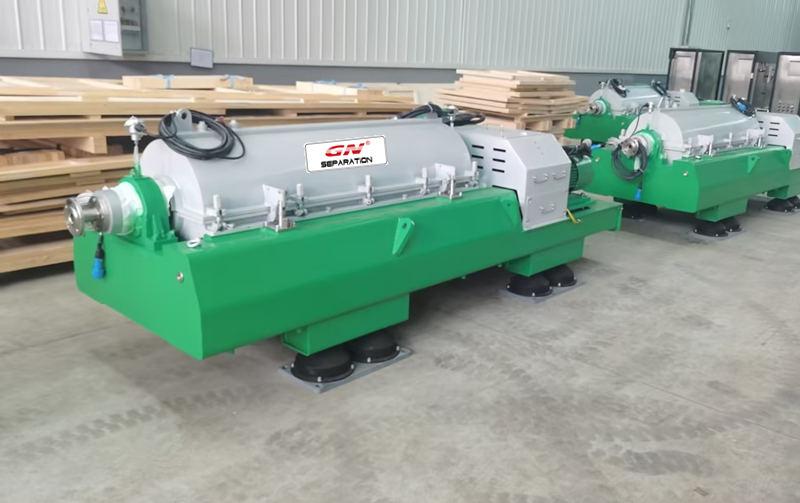
The Decanter Centrifuge is an advanced separation device known for its low energy consumption, stable performance, and effective solid-liquid separation. It is widely used across various industries including chemical processing, food production, salt refining, mining, and pharmaceuticals. The decanter centrifuge is capable of separating a wide range of materials. Due to its versatility and proven application success, it is advisable to consult with technical experts when selecting a model to ensure the best match for specific processing needs. Continue reading
Category Archives: Decanter Centrifuge
GN Separation Decanter Centrifuge: A Comprehensive Solution for Solid-Liquid Separation
GN Separation Decanter Centrifuge is a high-performance centrifugal separation machine designed to meet the complex requirements of solid-liquid separation. Known for its efficiency in separating fine, soft materials, this decanter centrifuge is ideal for applications where traditional separation methods may fall short due to challenging material properties.
Superior Design for Enhanced Separation
GN Separation Decanter Centrifuge features the Y-series design, which includes a beach angle of 15 degrees. This feature optimizes the separation process, ensuring that the clarified, lightweight liquid phase is gravity-discharged on the liquid side, while the heavier liquid phase exits the decanter together with the solid particles. This dual-phase separation ensures that both the liquid phase is clear and the solid phase is dry, meeting the comprehensive needs of industries that require high-quality separation results.

Versatile Applications
One of the most remarkable qualities of the Y-series decanter centrifuge is its versatility. It is particularly effective in separating fine and soft materials, which are often difficult to treat using other methods. The centrifuge excels in handling materials with small particle sizes, minimal density differences between solids and liquids, high viscosity, and low concentrations. These properties make it suitable for a wide range of applications across various industries.
Some of the most common uses of the GN Separation Decanter include:
Biological Pulp Separation: Essential for industries dealing with complex biological materials.
Yeast Solution and Protein Recovery: Vital for the food and beverage sector, especially in fermentation processes.
Recovery of Plant Starch and Juice By-products: Key for industries in the production of plant-based materials like soybean milk and grape juice.
Distiller’s Grains Liquid Recovery: Helps in extracting useful by-products from distillation processes.
Wastewater Treatment: Effective for separating low concentration activated sludge in water treatment plants.
Oil Refining and Saponification: Assists in the recovery of valuable components during the oil refining process.
Efficient Separation for Better Results
GN Separation Decanter Centrifuge is designed to offer a higher level of performance than conventional separation techniques, especially when dealing with difficult-to-separate materials. Its ability to handle materials with challenging properties, such as small density differences or high viscosity, makes it a highly valuable tool in industries like biotechnology, food production, wastewater treatment, and more.
In conclusion, GN Separation Decanter Centrifuge represents a highly efficient and reliable solution for industries that require high-quality solid-liquid separation. Whether it’s recovering proteins from yeast solutions or treating wastewater, this decanter centrifuge offers excellent performance, making it an indispensable part of modern industrial processes.
GN Module Hydrovac Slurry Dewatering System for Overseas Client
GN Separation have recently engineered and delivered a modular hydrovac slurry dewatering system for an international client, offering a high-efficiency, reliable solution for treating construction slurry, drilling mud, and industrial wastewater. This advanced system integrates five key modules—coarse screening, fine screening, desanding & desilting, centrifugation, and chemical dosing—to ensure effective solid-liquid separation and full environmental compliance. Continue reading
Enhancing Efficiency with GN T Series Decanter Centrifuge for Dewatering and Thickening
GN T Series Decanter Centrifuge is a cutting-edge solution designed for the efficient dewatering and thickening of slurries in various industrial applications. This advanced piece of equipment stands out for its robust design and versatile features that address the challenges posed by abrasive materials, ensuring longer operational life and lower maintenance costs.

Tungsten Carbide Tiles Protection
One of the key features of the T Series Decanter Centrifuge is the Tungsten Carbide Tiles Protection system, which offers excellent wear resistance. The screw distribution port is equipped with a replaceable carbide sleeve, specifically designed to withstand the wear characteristics of slurry. This makes maintenance straightforward and cost-effective. Additionally, the screw blade is shielded by a replaceable hard alloy plate, further extending the lifespan of critical components.
Hard Facing Wear-Resistant Coating
For enhanced wear resistance, the T Series also offers Hard Facing Wear-Resistant Coating as an optional feature. Depending on material conditions, users can choose between tungsten carbide or Stellite hard alloy cast rods for the wear-resistant layer. The use of robot tungsten carbide or hard alloy cast rod surfacing technology ensures superior quality of surfacing and contributes to the centrifuge’s long-term durability, even under harsh operational conditions.
High-Quality Screw Material
The screw material is also carefully selected to meet the demands of heavy-duty applications. The main material for the screw is duplex stainless steel such as SS2205 or SS2304, offering exceptional corrosion and wear resistance. This choice of material ensures that the centrifuge can handle aggressive substances without compromising performance.
BD (Baffle Disc) for Enhanced Separation
Moreover, the T Series Decanter Centrifuge features innovative designs such as the BD (Baffle Disc), which separates the dewatering area from the sediment area, optimizing liquid pool depth and dewatering efficiency. The use of gradual pitch on the screw further increases pressing force, improving the dryness of the slurry and enhancing separation efficiency.
Conclusion
In summary, GN T Series Decanter Centrifuge offers a robust and adaptable solution for industries requiring efficient dewatering and thickening of slurries. With advanced wear-resistant technologies, high-quality materials, and innovative design features, the T Series is an invaluable tool for improving operational efficiency and reducing maintenance costs in challenging industrial environments.
Understanding the Clarifying Decanter Centrifuge: An Essential Separation Technology
In various industries, the need for efficient solid-liquid separation is crucial to maintaining productivity and environmental compliance. Among the many technologies available, the Clarifying Decanter Centrifuge stands out as an effective solution for processing materials with small particle sizes, low density differences, and moderate viscosity.
What is a Clarifying Decanter Centrifuge?
A Clarifying Decanter Centrifuge is a specialized type of decanter centrifuge designed to separate suspensions into solids and clarified liquid continuously. Unlike traditional decanter centrifuges, which prioritize high solids recovery, a clarifying decanter focuses on achieving high-purity liquid discharge with minimal solids content.
One notable example is the GN Clarifying Decanter Centrifuge, part of the C-series, which features a 20-degree beach angle. This design allows for efficient dewatering of solids while maintaining superior liquid clarification. The centrifuge operates continuously without the need to stop feeding, making it an ideal choice for industries requiring stable and efficient separation processes.
Key Features and Advantages
Efficient Liquid Clarification: The design ensures that suspended solids are effectively separated, producing high-clarity liquid suitable for reuse or discharge
Continuous Operation: Unlike batch processing methods, this centrifuge allows for uninterrupted material input, enhancing productivity.
Ideal for Small Particle Sizes: It is particularly effective for applications where solids have a low density difference from liquids, which can be challenging for traditional separation methods.
Versatile Applications: Industries such as wastewater treatment, food processing, pharmaceuticals, and chemical manufacturing can benefit from the use of a clarifying decanter centrifuge.
Applications of Clarifying Decanter Centrifuge
Wastewater Treatment: Efficiently removes fine suspended solids, improving water quality.
Oil and Gas Industry: Used for separating fine solids from drilling fluids or produced water.
Food and Beverage Processing: Helps in clarifying liquids such as fruit juices, dairy products, and edible oils.
Pharmaceutical Industry: Ensures precise separation in the production of high-purity chemicals and medicines.
Conclusion
A Clarifying Decanter Centrifuge is an essential technology for industries requiring high-quality liquid separation with minimal solid content. The GN Clarifying Decanter, with its optimized design and continuous operation capability, ensures efficient and reliable processing. Whether in wastewater treatment, food production, or chemical industries, this advanced separation technology enhances efficiency and sustainability. If your industry demands high-purity liquid processing, investing in a clarifying decanter centrifuge is a smart and effective choice.
Structure and Working Principle of the Decanter Centrifuge
The decanter centrifuge is an advanced separation device known for its low energy consumption, stable operation, and high separation efficiency. It is widely used in industries such as chemical processing, food production, salt refining, mining, and pharmaceuticals. With successful applications across various materials, model selection should be guided by material analysis and expert consultation to ensure optimal performance.
Operational Process and Automation
Decanter centrifuges excel in continuous separation processes, seamlessly performing feeding, dewatering, washing, and discharge in an automated workflow. This high degree of automation enhances production efficiency and process stability.
Separation Principle and Material Suitability
Due to its unique separation mechanism and structural characteristics, decanter centrifuges require careful material-specific adjustments. Before selecting a model, material testing and analysis should be conducted to confirm its applicability and separation efficiency.
How the Decanter Centrifuge Works
Material Entry & Acceleration
The mud-water mixture enters the rotating drum through the feed pipe and screw discharge port.
The main motor generates high-speed rotation, creating strong centrifugal force.
Separation Process
Heavier solid particles settle onto the inner wall of the drum due to centrifugal force.
The screw conveyor (spiral blades) moves relative to the drum, continuously scraping and transporting the separated solids toward the slag discharge port.
The clarified liquid exits the drum through the weir plate opening.
Differential Mechanism & Torque Transfer
The relative movement between the screw conveyor and the drum is controlled by a differential mechanism.
The differential housing is connected to the drum, while the output shaft is connected to the screw conveyor.
The input shaft is powered by an auxiliary motor, which applies braking torque.
Through a planetary gear system, torque is precisely transferred to the screw conveyor at a controlled speed ratio, ensuring continuous separation and discharge.
Types of Decanter Centrifuges
Horizontal Decanter Centrifuges (Spiral Discharge & Sedimentation Type)
Vertical Sedimentation Centrifuges
Each type is designed for specific separation applications, requiring proper selection based on material properties and processing requirements.
Understanding the Working Principle of a Three-Phase Decanter Centrifuge
GN three-phase decanter centrifuge plays a pivotal role in the efficient separation of solids and immiscible liquids with different specific gravities. It operates on the principle of sedimentation, where solid particles, based on their specific gravity, precipitate out of a liquid under controlled conditions. This principle is particularly effective for separating not just solid materials from liquids, but also for separating two immiscible liquids, such as oil and water, in a single, streamlined process.
The Principle of Sedimentation
At the core of its operation, the three-phase decanter centrifuge utilizes a high-speed rotating drum. When the material enters the centrifuge, it is subject to intense centrifugal forces as the drum spins. The solid particles, which have a higher specific gravity, experience the greatest centrifugal force. As a result, they move toward the outer edge of the drum. Conversely, the lighter phase liquid, such as oil, experiences less centrifugal force and collects closer to the center of the drum, while the heavy phase liquid, such as water, forms an intermediate layer.
Separation of Solids and Liquids
This segregation of components due to their different densities creates a concentric solid layer and two distinct liquid layers. The solids are then conveyed out of the drum by a screw conveyor, while the liquids are discharged from dedicated nozzles. The system effectively separates the solid material and the two liquid phases, achieving a solid-liquid-liquid separation in a single operation.
Applications of Three-Phase Decanter Centrifuge
The versatility of the three-phase decanter centrifuge makes it an essential piece of equipment in various industries, such as wastewater treatment, oil recovery, and food processing. It allows for precise separation of different phases, which is crucial for optimizing resource recovery and minimizing waste. The ability to separate both solids and immiscible liquids efficiently is a key advantage, providing companies with an effective solution for complex separation tasks.
Conclusion
In summary, the three-phase decanter centrifuge operates on the simple yet effective principle of centrifugal force, offering a robust solution for separating solids and two immiscible liquids. This capability is crucial in industries requiring high-quality separation and enhanced resource recovery.
Guidelines for the Safe Use of Decanter Centrifuges
Proper handling and maintenance of decanter centrifuges are essential to ensure safety and efficiency. Uncontrolled centrifugal force can cause significant damage, so careful attention to operational procedures is critical. Although decanter centrifuges are straightforward to use, adhering to proper guidelines can prevent malfunctions and costly delays. Continue reading
GN 3-Phase Decanter Centrifuge: The Ultimate Solution for Solid-Liquid-Liquid Separation
Introduction to GN 3-Phase Decanter Centrifuge
GN Separation’s 3-phase decanter centrifuge is engineered for efficient solid-liquid-liquid separation, making it an essential tool in industries where separating multiple phases is crucial. With over a decade of experience in the separation industry, GN has designed the 3-phase decanter to operate continuously and smoothly for 24 hours a day, providing unmatched performance in the most demanding conditions.
Key Features of the GN 3-Phase Decanter Centrifuge
The GN 3-phase decanter centrifuge is built to separate not just solids from liquids, but also to differentiate between two liquid phases with varying densities. This is especially useful in applications like oil-water-solid separation, where achieving clean separation of each phase is necessary.
What sets the GN 3-phase decanter apart from a 2-phase decanter is its ability to separate both liquid phases along with the solid phase, making it more versatile and efficient. The solid phase is typically the heaviest, while the two liquid phases need to have distinct densities for the separation process to work effectively.
Reliable and Continuous Operation
The centrifuge is composed of a robust driving system, a decanter bowl, a screw conveyor inside the bowl, a cover box, a skid, and a VFD control panel, ensuring high performance and reliability. It is designed for 24-hour continuous operation, making it ideal for industries requiring uninterrupted processing.
Specifications and Performance
With capacities ranging from 5 m³/h to 15 m³/h, the GN 3-phase decanter centrifuge can handle various materials with different capacities and speed settings to suit specific operational needs. The maximum G force varies between 3000 to 3200 G, ensuring effective separation in even the toughest applications.
Applications of the GN 3-Phase Decanter Centrifuge
Whether it’s oil-water-solid separation or other industrial applications, GN’s 3-phase decanter centrifuge delivers precise, efficient, and continuous separation, helping industries maximize productivity and reduce operational costs. It is widely used in industries like oil, water, and solid separation, where reliable and efficient separation is critical.
Understanding the Features of GN C Series Clarifying Decanter Centrifuge
In modern industrial applications, separation technology plays a critical role in ensuring efficiency, quality, and compliance with stringent industry standards. Among various separation solutions, GN C Series Clarifying Decanter Centrifuge stands out for its advanced design and enhanced performance. This blog explores the key features of this high-efficiency centrifuge and how it benefits industries such as food processing, pharmaceuticals, and wastewater treatment.
Optimized Design for Effective Clarification
One of the defining characteristics of the C Series Clarifying Decanter Centrifuge is its unique bowl geometry. With a 20-degree beach angle, the decanter has a relatively short cone section for dewatering but a longer straight section. This extended clarifying section enhances the separation of fine particles, resulting in improved clarity of the discharged liquid. Such a design makes the centrifuge highly effective in applications requiring high-purity separation.
Compliance with Hygiene Standards
The C Series can be designed and manufactured according to strict hygiene standards applicable to the food and pharmaceutical industries. This ensures that the equipment meets the necessary requirements for cleanliness and safety. The ease of cleaning and sanitation makes it ideal for handling sensitive materials, reducing the risk of contamination.
Superior Material Construction
To ensure durability, corrosion resistance, and mechanical strength, the key components of the C Series centrifuge, including the bowl and shaft caps, are made from duplex stainless steel (SUS2205 or SUS2304) using centrifugal casting technology. This material choice provides superior performance compared to SUS304 and SUS316, offering better resistance to intergranular corrosion and higher mechanical strength. Additionally, centrifugal casting and die forging processes are used instead of traditional welding methods to eliminate issues like residual stress and weak structural points.
Advanced Screw Blade Technology for Efficient Solids Discharge
The screw conveyor, a crucial component responsible for transporting solids within the centrifuge, is manufactured using CNC spiral blade forming technology. Compared to traditional drawing methods, this process results in higher slag conveying efficiency. Furthermore, the screw blades can be designed with a gradual change structure, optimizing the transport and compression of solids to achieve drier discharge. This not only improves efficiency but also enhances overall operational performance.
Conclusion
The C Series Clarifying Decanter Centrifuge is an advanced separation solution engineered to meet the demands of various industries. Its optimized bowl design, hygienic manufacturing standards, superior material selection, and innovative screw blade technology set it apart from conventional decanters. Whether in food processing, pharmaceuticals, or wastewater treatment, this centrifuge ensures efficient solid-liquid separation with enhanced durability and reliability.
If you are looking for a high-performance decanter centrifuge for clarification and dewatering, the C Series is a reliable and efficient choice. Contact GN Separation to learn more about how this technology can benefit your application!