Category Archives: Decanter Centrifuge

The Role of Centrifuges in the Biogas Industry

Efficient Solid-Liquid Separation

In the biogas industry, one of the most important processes is the separation of solids from liquids in feedstock and digestate. Centrifuges play a critical role in this stage by using high rotational force to achieve rapid and efficient solid-liquid separation. Compared with traditional sedimentation or filtration methods, centrifuges are faster, require less space, and can handle large volumes of slurry with varying solid concentrations. By separating solids effectively, centrifuges help operators reduce the load on downstream equipment, improve the consistency of the digester input, and maintain stable operating conditions.

Enhancing Biogas Production and Quality

The performance of a biogas plant largely depends on the stability of the anaerobic digestion process. Excessive solids or non-uniform feed can negatively impact microbial activity, lowering methane yield. Centrifuges ensure that the organic feedstock is properly conditioned before digestion, creating an optimal environment for bacteria to produce biogas. After digestion, centrifuges also remove excess water from digestate, producing a concentrated solid fraction that can be used as organic fertilizer. This dual function—pre-treatment of feedstock and post-treatment of digestate—helps biogas facilities enhance overall energy recovery while minimizing waste.

Supporting Sustainability and Cost Efficiency

Biogas plants are not only about renewable energy generation but also about sustainable waste management. Centrifuges contribute to this sustainability by reducing the volume of digestate that requires disposal, lowering transportation and handling costs. The dewatered solids can be further processed into soil amendments, while the clarified liquid can be treated or reused, minimizing environmental impact. In addition, modern centrifuges are designed for energy efficiency and durability, which helps operators reduce long-term operational expenses. By combining process reliability with environmental benefits, centrifuges have become indispensable equipment for biogas facilities worldwide.

Separation Function and Operation of the Decanter Centrifuge

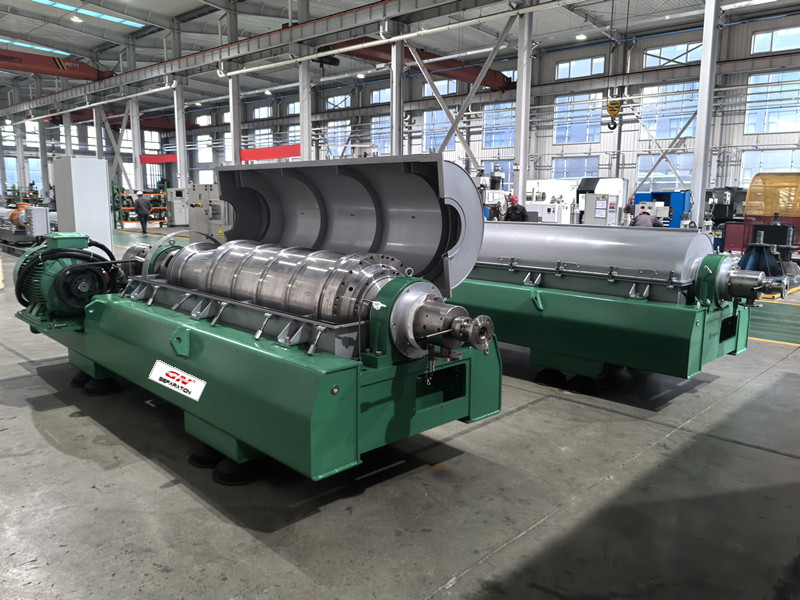
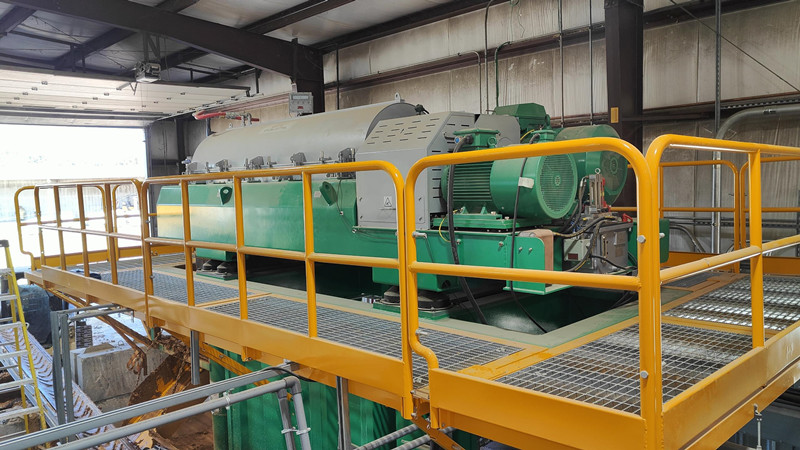
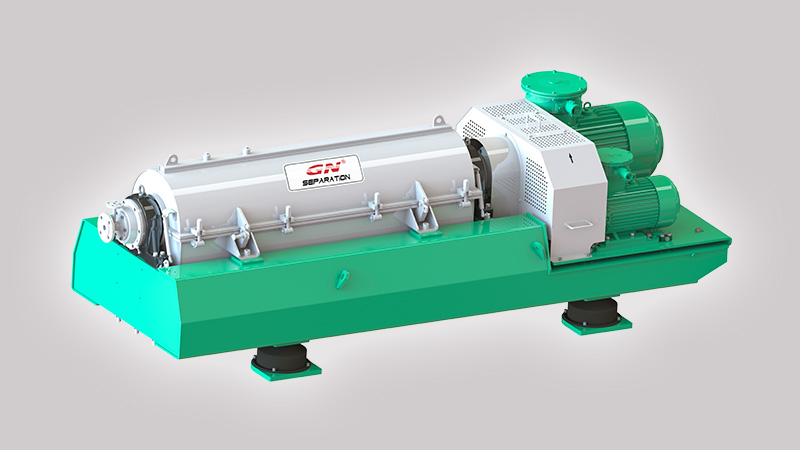
The decanter centrifuge performs centrifugal separation on two- or three-phase liquid-solid heterogeneous mixtures with different densities. During operation, the main motor drives the two pulleys simultaneously, which in turn drive the bowl and the helical screw through a gear or cycloidal pin-wheel differential. This ensures a fixed relative differential speed between the bowl and the screw, allowing the materials to be separated efficiently at high speed. Continue reading

Centrifuge Demand in Europe and Southeast Asia

Mature and Specialized Demand in Europe

In Europe, centrifuge demand is well-established and highly specialized. Industries such as municipal wastewater treatment, pharmaceuticals, food processing, and fine chemicals rely on centrifuges for precise separation tasks. European buyers focus on automation, energy efficiency, and compliance with strict regulations such as ATEX and CE. This means they prefer premium equipment that guarantees reliability, safety, and long-term service support. Although the market is competitive and relatively saturated, replacement demand and technological upgrades remain steady, ensuring continuous opportunities for advanced centrifuge solutions.

Expanding Demand in Southeast Asia

Southeast Asia shows a very different picture. Rapid industrialization, urban growth, and stricter environmental regulations are driving strong demand for centrifuges in wastewater treatment, palm oil processing, and the food industry. Municipal projects require cost-effective sludge dewatering, while palm oil mills depend on centrifuges to improve oil recovery and meet international quality standards. Customers in the region are generally price-sensitive, often prioritizing durability, easy maintenance, and affordability. However, there is also a growing trend toward automation and energy-efficient solutions, especially in government projects and large corporations.

Outlook and Strategic Approach

Comparing both regions, Europe represents a stable, technology-driven market, while Southeast Asia is a fast-growing, price-sensitive market. For centrifuge manufacturers, this requires a dual strategy: offer innovative, certified systems for Europe, and provide cost-effective, durable solutions in Southeast Asia with strong local partnerships.

At GN Separation, we are committed to serving both regions with a wide range of centrifuge technologies—from high-performance models that meet European standards to robust and affordable systems designed for the dynamic needs of Southeast Asia. By adapting to local requirements, we aim to support industries worldwide in achieving efficient and sustainable separation.

The Role of Centrifuges in the Food Industry: Oil, Sugar, and Beyond

In the food processing industry, efficiency and product quality are paramount. Centrifuges have become indispensable equipment for various food sectors, particularly in oil and sugar processing. Their ability to separate solids and liquids quickly and efficiently helps manufacturers maintain high productivity while ensuring consistent product quality.

1. Oil Extraction and Refining

Centrifuges play a crucial role in edible oil production, including palm oil, soybean oil, and sunflower oil. During the extraction process, raw oil often contains impurities such as water, plant residues, and fine solids. A decanter centrifuge or disc stack centrifuge efficiently separates these impurities, producing a clear, high-quality oil. Additionally, centrifuges are used in the refining stage to remove trace solids and moisture, which improves shelf life and stability, while reducing energy consumption compared to traditional settling tanks.

Y1-Separtion Centrifuge

2. Sugar Processing

In sugar manufacturing, centrifuges are used to separate sugar crystals from the syrup during the crystallization process. By rapidly spinning the mixture, centrifuges remove molasses from the sugar crystals, yielding a purer final product. This not only enhances sugar quality but also increases overall yield and reduces manual labor. Different types of centrifuges, such as batch or continuous models, can be selected based on plant scale and production needs, making them versatile for various sugar types, including cane and beet sugar.

3. Applications in Other Food Products

Beyond oil and sugar, centrifuges are widely applied in the extraction of plant-based products, dairy processing, and fruit juice clarification. For example, in herbal extraction, centrifuges efficiently separate plant residues from liquid extracts, maintaining bioactive compound integrity. In dairy, they clarify milk and whey, improving product quality and consistency. Similarly, fruit juice producers use centrifuges to remove pulp and sediment, delivering clear juice with extended shelf life.

Overall, centrifuges are a vital component in modern food processing, helping manufacturers optimize production, improve product quality, and reduce operational costs. Their versatility makes them indispensable across multiple food sectors, from oil and sugar to dairy and beverages.

Brief Introduction to the Three-Phase Decanter Centrifuge

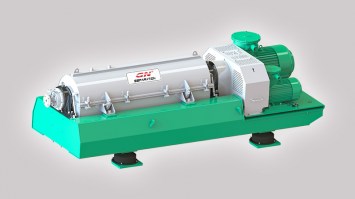
A three-phase decanter centrifuge is a specialized type of decanter centrifuge designed to separate a mixture into two liquid phases and one solid phase simultaneously. Its operating principle is based on the difference in specific gravity between the solid and liquid phases. When the mixture enters the rotating bowl, the powerful centrifugal force—thousands of times stronger than gravity—forces the solids to settle against the bowl wall, while the two liquid phases stratify into distinct layers. A specially designed mechanism then continuously discharges the separated solids and liquids, completing a fully enclosed and automatic separation process. Continue reading

GN New Workshop for Material Separation Testing

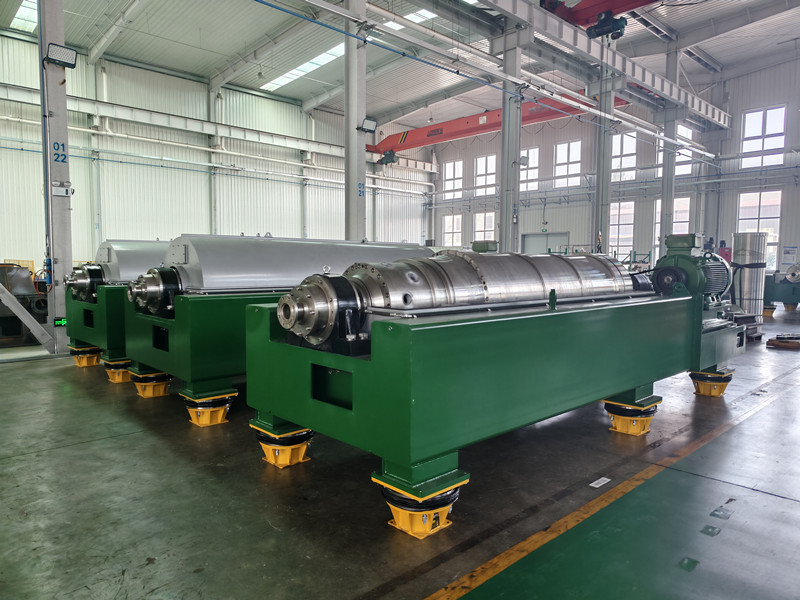
GN Separation is pleased to announce the completion and delivery of its new material separation testing workshop, a dedicated facility designed to support clients with comprehensive equipment trials and process verification. This milestone reflects GN’s ongoing commitment to innovation, practical application, and customer-oriented solutions in the field of separation technology.

Continue reading

IECEx Explosion Proof VFD Decanter Centrifuge for Middle East Client

GN Separation has successfully delivered 3 sets of IECEx-certified Explosion Proof VFD Decanter centrifuges to a valued client in the Middle East, further strengthening its presence in the region’s oil and gas market. The equipment is designed to meet stringent safety standards and operational requirements in hazardous environments, ensuring reliable performance in challenging field conditions. Continue reading

Centrifuges in Wastewater Treatment and Comparison with Leading International Brands

Importance of Centrifuges in Wastewater Treatment

Centrifuges have become indispensable equipment in the wastewater treatment industry, playing a critical role in solid-liquid separation processes. Their ability to efficiently separate sludge from wastewater helps reduce volume, improve water clarity, and facilitate further treatment or disposal. This not only optimizes operational efficiency but also contributes significantly to environmental protection.

In wastewater treatment plants, centrifuges are primarily used for sludge dewatering. Raw sludge generated from biological or chemical treatment stages contains a high water content, often exceeding 95%. Removing excess water reduces sludge volume, lowers transportation and disposal costs, and improves downstream processing such as incineration or composting. Centrifuges achieve this by spinning the sludge at high speeds, using centrifugal force to separate solids from liquids. The separated solids, or cake, typically reach moisture contents as low as 60-80%, depending on the sludge type and centrifuge model.

Types of Centrifuges and Their Features

Among the various types of centrifuges, decanter centrifuges are the most commonly used in wastewater applications due to their continuous operation and high throughput. They are designed with a rotating bowl and a screw conveyor that continuously separates and discharges solids. Other types like disc-stack centrifuges and tubular bowl centrifuges find specialized applications but are less prevalent in general wastewater treatment.

Comparison of Leading International Brands

When comparing international centrifuge brands, factors such as separation efficiency, reliability, ease of maintenance, energy consumption, and adaptability to varying sludge characteristics are crucial. Leading brands like Alfa Laval, GEA Westfalia, and Flottweg have established reputations for producing high-performance centrifuges tailored for wastewater treatment.

Alfa Laval centrifuges are renowned for their robust design and energy efficiency, incorporating advanced automation and control systems that optimize dewatering processes. GEA Westfalia offers a wide range of decanter centrifuges with innovative features such as self-cleaning bowl technology and modular designs that facilitate maintenance and customization. Flottweg emphasizes reliability and precise separation with their patented designs, including adjustable pond depths and advanced control systems to handle challenging sludge types.

While these international brands offer proven technologies, local manufacturers have also been making significant strides. They often provide competitive pricing and customizable solutions tailored to regional wastewater characteristics and regulatory requirements. Some local centrifuge manufacturers focus on improving after-sales support and rapid service response, which can be advantageous for certain customers.