The scroll (also called screw conveyor) is a core internal component of a decanter centrifuge. It is installed inside the rotating bowl and rotates at a differential speed relative to the bowl. Its primary function is to continuously convey the settled solids toward the conical end for discharge. The design, material, and operating parameters of the scroll directly affect the separation efficiency, solids dryness, and overall performance of the decanter centrifuge. Continue reading
Category Archives: Decanter Centrifuge
Main Factors That Affect the Separation Performance of a Decanter Centrifuge
The separation capacity of a decanter centrifuge mainly depends on the density difference between the solid and liquid phases and the length of the sedimentation zone. When the density difference between the solid and liquid phases is small or the slurry viscosity is high, the separation and settling process becomes more difficult. Continue reading
Introduction to the Differential Speed of a Decanter Centrifuge
The differential speed between the screw conveyor and the bowl in a decanter centrifuge directly affects the solids discharge capacity, cake dryness, and the quality of the clarified liquid. It is one of the most important operating parameters of a decanter centrifuge and must be adjusted according to actual operating conditions.
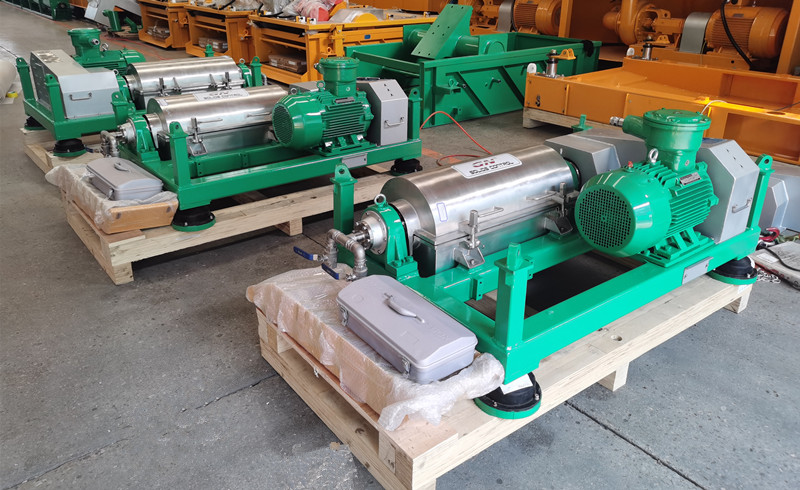
Increasing the differential speed helps improve the solids conveying and discharge capacity of the decanter centrifuge. However, when the differential speed is too high, the residence time of the solids inside the bowl becomes shorter, which reduces the dewatering time of the sediment. As a result, the moisture content of the discharged cake may increase.
Conversely, decreasing the differential speed increases the solids layer thickness and residence time, allowing more time for the sediment to be dewatered. This typically results in lower moisture content in the discharged cake. At the same time, the screw conveyor causes less disturbance to the material in the clarification zone, which generally improves the clarity of the centrate (filtrate).
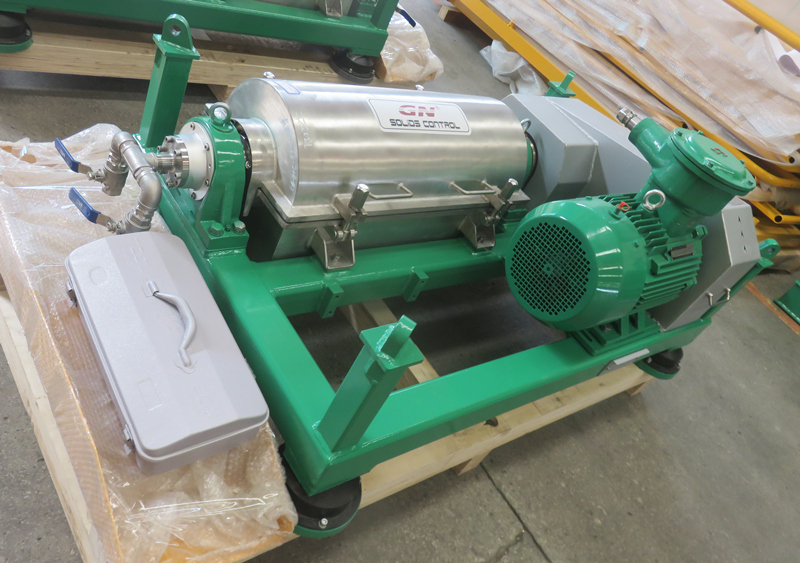
However, if the differential speed is too low, solids may accumulate inside the centrifuge and cannot be discharged in time. This may lead to blockage of the discharge port or an increase in suspended solids in the centrate. In such cases, the operator should either reduce the feed rate or increase the differential speed to ensure stable solids discharge.
Some decanter centrifuges are equipped with an automatic torque protection function. When the torque reaches a preset limit, the control system will automatically reduce the feed rate and chemical dosing while increasing the differential speed. This helps rapidly discharge the accumulated solids layer inside the bowl. Once the torque returns to a safe range, the system automatically restores the feed rate and differential speed to their normal operating values. This function effectively protects the equipment from overload.
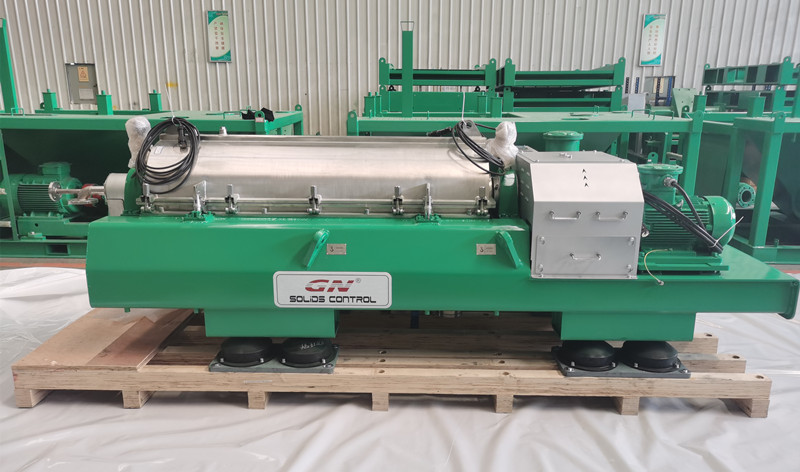
However, during long-term operation, this automatic adjustment should not occur too frequently, as it may cause unstable operating conditions with fluctuating feed flow and differential speed. Such fluctuations can negatively affect the separation performance and reduce the overall processing capacity of the centrifuge.
Therefore, the optimal differential speed should be determined based on several factors, including material properties, processing capacity requirements, separation targets, and the structural parameters of the centrifuge. In practice, there is often a trade-off between processing capacity and separation performance. Increasing the differential speed generally improves throughput, but it may reduce cake dryness and clarification quality.
As a result, on-site commissioning is essential to determine the optimal operating parameters for each specific application. The goal is to achieve both maximum equipment efficiency and the best possible separation performance. Since sludge characteristics may vary over time, the operating parameters should be continuously optimized based on practical operating experience.
Within a certain operating range, differential speed control and flocculant dosing are closely related. When a specific cake dryness is required, reducing the differential speed can often reduce the amount of flocculant needed. In simple terms, improving the mechanical separation efficiency of the decanter centrifuge can reduce the dependence on chemical dosing.
As the saying goes, “When the equipment operates efficiently, less chemical is required; when the equipment is not well adjusted, more chemical consumption is needed.” This depends not only on the design and manufacturing precision of the equipment, but also on the proper control of operating parameters during operation.
For decanter centrifuges equipped with automatic differential speed control, the parameter settings should be established based on long-term operating experience and should be adjusted whenever process conditions change.
GN Solids Control Invite you to Beijing 2026 CIPPE Oil Show
We are proud to announce that GN Solids Control will participate in the 26th China International Petroleum & Petrochemical Technology and Equipment Exhibition (CIPPE 2026) — the most influential oil and gas industry exhibition in Asia. As a premier annual gathering for global energy professionals, CIPPE brings together leading manufacturers, service providers, and technical experts to showcase advanced technologies and explore future industry trends.
Practical Difference Between 2-phase and 3-phase Separation of Decanter Centrifuge
In decanter centrifuge operation and process design, it is essential to determine whether a material can be separated by two-phase (solid–liquid) separation or requires three-phase (solid–liquid–liquid) separation.
This choice depends primarily on the physical properties of the feed—especially the presence of immiscible liquids with different densities. Continue reading
Methods for Maintaining a Decanter Centrifuge
Decanter centrifuges are widely used in demanding industrial environments and often operate under continuous heavy-duty conditions. To ensure reliable performance, extended service life, and safe operation, regular inspection and proper maintenance are essential. Below are key guidelines for maintaining a decanter centrifuge. Continue reading
Decanter Centrifuge Application in Sewage Sludge Treatment
Clean water is becoming an increasingly valuable resource, which is why the importance of urban sewage and drinking water treatment continues to grow worldwide. Sludge generated during water and wastewater treatment must be separated and reduced as efficiently as possible to minimize disposal costs and environmental impact. Continue reading
Some Operational Recommendations for Decanter Centrifuges
To achieve optimal separation performance and ensure stable, long-term operation of the decanter centrifuge, GN Separation provides the following operational recommendations:
1. Maintain Stable Feed Conditions
To ensure stable and continuous operation, it is essential to keep the feed flow rate, solids concentration, and temperature as consistent as possible. Stable feed conditions allow the decanter centrifuge to operate smoothly, ensuring constant liquid clarity and solids discharge, while also enabling downstream equipment to function reliably and maintaining overall system stability.
The Thickness of Liquid-Ring Layer in Decanter Centrifuge Operation
The thickness of the liquid-ring layer is a critical operating parameter in decanter centrifuge optimization. It directly influences the effective settling volume inside the bowl and the length of the drying (beach) zone, thereby affecting the overall sludge dewatering performance. Continue reading
Key Considerations for Selecting a Decanter Centrifuge
Selecting an appropriate decanter centrifuge not only helps resolve production challenges and improve operating efficiency, but also reduces overall production costs and operational risks. The following factors should be carefully considered during the selection process: