To ensure optimal performance and long-term reliability of a decanter centrifuge, operators must adhere to specific principles and operational guidelines. Neglecting these procedures or deviating from the recommended sequence can lead to inefficiencies, increased maintenance time, and costly operational setbacks—especially when dealing with high-viscosity or high-solid-content liquids.

Proper understanding of the sludge characteristics, particularly the solid content and viscosity, is essential for effective separation and cleaning. Failure to follow operational protocols can result in irreversible damage, reduced efficiency, and increased treatment costs—ultimately turning minor mistakes into major losses.
Key Principles to Follow When Using a Decanter centrifuges:
Segregate Hazardous Wastewater:
Wastewater containing toxic substances—such as heavy metals, radioactive materials, or high concentrations of phenol and cyanide—should be treated separately. This allows for more targeted treatment and recovery of valuable or hazardous materials.
Ensure Proper Equipment and Workflow:
In processes involving toxic raw materials or intermediates, it is crucial to use appropriate process flows and reliable equipment. When operating a decanter centrifuge under such conditions, strict adherence to operating procedures and supervision is necessary to ensure safety and compliance.
Minimize Toxic Waste at the Source:
The most effective strategy for wastewater treatment is source control. This includes redesigning production processes to reduce or eliminate toxic effluents. Where possible, replace hazardous materials with non-toxic or less harmful alternatives.
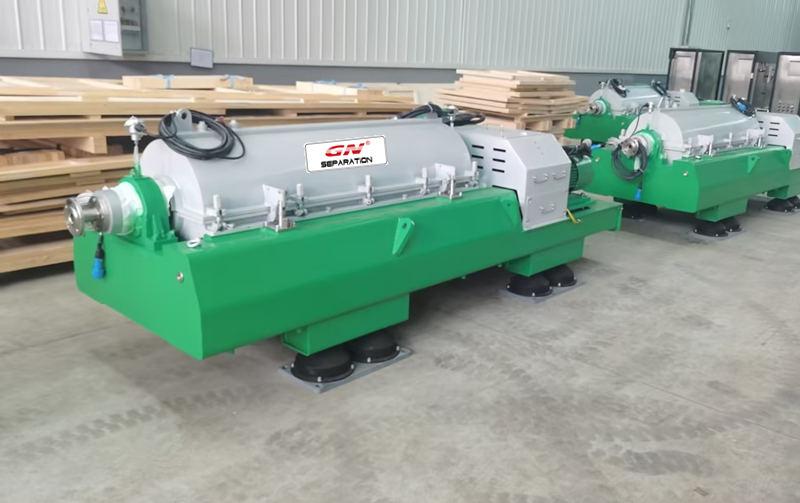
GN Separation’s decanter centrifuges are favored for their efficiency, reliability, and low operational costs. Their design and performance make them suitable for a wide range of industrial and municipal applications.
1. Stable and Reliable Mechanical Performance
Capable of 24/7 continuous operation, GN Decanter centrifuges are built for high throughput and consistent performance, ensuring minimal downtime and maximum productivity.
2. Enhanced Dewatering Efficiency
Equipped with double-flow flocculation technology, Decanter centrifuges deliver low cake moisture content, reducing the cost and complexity of downstream sludge handling.
3. Advanced Structural Design
The extended gravity filtration section and vertical pressure rollers improve dewatering efficiency and expand application versatility.
4. High-Quality Filtrate
The process produces clear filtrate that can be easily reused, helping to reduce secondary pollution and conserve resources.
5. Low Energy and Flocculant Consumption
Designed for energy efficiency, Decanter centrifuges minimize both power usage and chemical consumption during operation.
6. Corrosion Resistance and Easy Maintenance
Constructed with durable, corrosion-resistant materials, these machines are user-friendly and require minimal maintenance.
7. Fully Automated Operation
With automated control systems and high-quality components, Decanter centrifuges offer long service life and reliable, unattended operation.
By following proper usage principles and leveraging the advanced features of GN’s decanter centrifuges, operators can achieve efficient, cost-effective, and environmentally responsible waste treatment.