During operation, decanter centrifuges may experience prolonged dewatering time and incomplete solid dryness, particularly as solids accumulate in the drum. This issue is common in high-solids or high-viscosity applications. So the common Issue is how to reduce the Dewatering Efficiency of decanter centrifuge.
Author Archives: GN Decanter Centrifuge
Soy Protein Extraction Centrifuge Solution
Soybeans are recognized as a complete protein source, containing all essential amino acids required by the human body—amino acids which cannot be synthesized internally. This makes soy protein a valuable alternative to animal-based proteins, both for human consumption and livestock feed. Among the various forms, Soy Protein Isolate (SPI) is the most concentrated, boasting a protein content of up to 90% (dry basis). Continue reading
How Centrifuge Plays a Key Role in Wastewater Treatment
Effective wastewater treatment involves a series of physical, chemical, and biological processes to separate impurities from water. Among the many technologies available, centrifuge stands out as a powerful tool in the sludge dewatering and solid-liquid separation stage.
The Role of Centrifuge in Wastewater Treatment
A centrifuge utilizes high-speed rotational force to separate components of different densities. During the process, suspended solids, sediments, and sludge particles move toward the wall of the spinning bowl, while clarified water exits from the center.
This makes a centrifuge a key piece of equipment for dewatering sludge after the main treatment process. It converts thick, water-rich sludge into a drier, more manageable form — reducing disposal costs and simplifying subsequent handling.
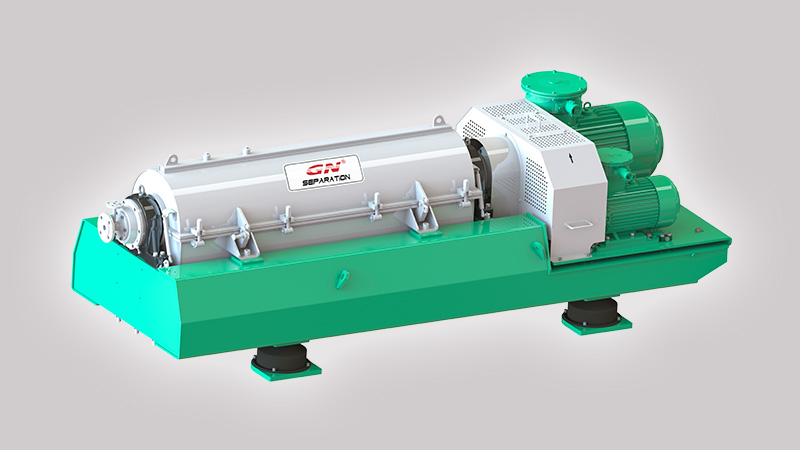
Comparison with Other Equipment (Belt Filter, Plate Filter, MBR)
Compared to belt filter press and plate-and-frame filter, the centrifuge has a smaller footprint and faster processing. It operates in a closed, automated, and continuous manner, reducing human intervention and odor emissions.
Compared to MBR (Membrane Bioreactor), which focuses on liquid-side polishing, the centrifuge performs solid-liquid separation at the back-end, removing excess sludge efficiently. The two technologies are often used in combination: MBR first produces high-purity water, then a centrifuge dewaters the waste sludge afterwards.
How to Select the Right Equipment for Your Application
Choosing the appropriate dewatering equipment depends on numerous factors, including sludge characteristics, flow rate, space, automation requirements, and disposal goals.
For large, continuous operations where space is limited and low maintenance is desirable, a decanter centrifuge is often preferred.
For small scale or batch processing, a belt press or plate filter might be more cost-effective.
Furthermore, the nature of the sludge — whether it’s oily, rich in organics, or heavy sediments — also guides equipment selection.
A centrifuge performs well across a range of viscosities and can handle fluctuations in flow and solid content more robustly than many other methods.
Conclusion
The centrifuge plays a crucial role in modern wastewater treatment, offering efficient, automated, and flexible dewatering of sludge. By understanding its unique benefits and comparing it to alternative equipment, plant designers and operators can select the most appropriate solution to maximize performance and minimize operational cost.
Whether you are designing a new treatment plant or optimizing an existing one, choosing the right dewatering technology is key — and a centrifuge might be exactly what you need.
Enhancing Sugar Mill Efficiency with Industrial Centrifuges
As global sugar demand continues to grow, sugar mills are under increasing pressure to improve processing efficiency, reduce waste, and minimize environmental impact. One of the key technologies that support these goals is the industrial centrifuge, which plays a crucial role in the solid-liquid separation stages of sugar production.
1. Optimizing Sugar Crystallization and Separation
In sugar production—especially from sugarcane and sugar beet—the separation of sugar crystals from molasses is a vital step. Centrifuges provide fast, efficient, and continuous separation by spinning the massecuite at high speed, allowing sugar crystals to be extracted while the remaining molasses is discharged. Compared to traditional batch systems, modern continuous centrifuges improve recovery rates and reduce processing time, enabling mills to increase output without compromising quality.
2. Reducing Waste and Improving Sustainability
Beyond crystal separation, centrifuges are also valuable for handling sugar processing by-products such as filter mud, vinasse, and wastewater sludge. By dewatering these residuals, centrifuges help reduce the volume of waste, lower transportation and disposal costs, and support downstream applications such as bio-composting or energy recovery. This contributes directly to more sustainable and eco-friendly sugar production practices.
3. Reliable Performance in Harsh Mill Environments
Sugar mills often operate in hot, humid, and high-load conditions. Industrial decanter centrifuges and basket centrifuges are engineered to withstand such environments, with features like wear-resistant components, automated controls, and easy maintenance access. Choosing the right centrifuge tailored to your mill’s capacity and process requirements can significantly improve operational reliability and reduce downtime.
Conclusion
As sugar mills modernize to stay competitive, industrial centrifuges have become indispensable equipment in both production and waste management. Whether improving crystal recovery or reducing environmental impact, a high-performance centrifuge system is a smart investment for any forward-thinking sugar producer.
Waste Oil Recycling with Decanter Centrifuge Systems
Waste oil is generated during various stages of oil production and processing, including oilfield extraction, pipeline transportation, oil and gas gathering stations, refining operations, and oily wastewater treatment. Efficient recycling and resource recovery from waste oil is essential for both environmental protection and energy conservation.

The treatment of waste oil involves a comprehensive production process based on the principles of centrifugal separation and demulsification. A standard waste oil recycling system consists of the following subsystems: Batching System, Feeding System, Separation System, Conveying System, Control System.
After collection, waste oil is preheated using steam. Additives such as demulsifiers and surfactants are then introduced to break down emulsions and convert oily wastewater into a treatable liquid form.
Three-phase decanter centrifuge for continuous separation
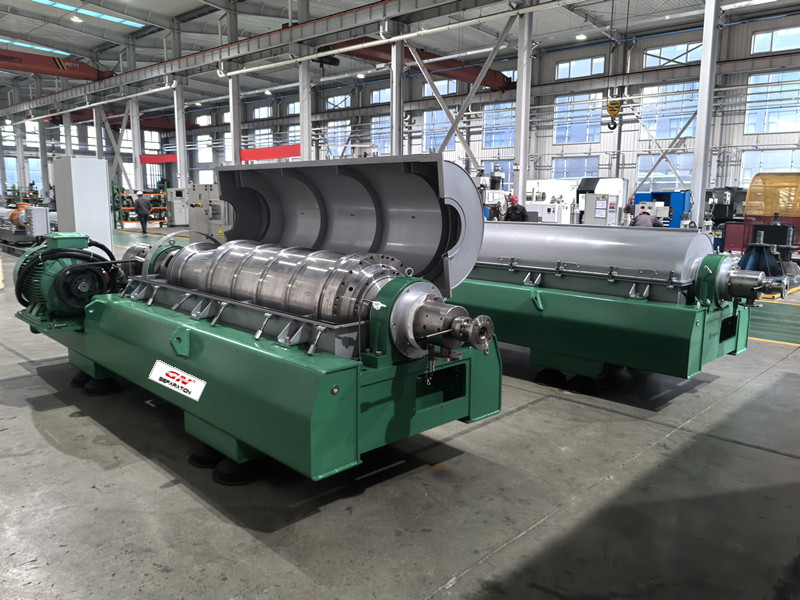
The core of the system is a high-efficiency three-phase decanter centrifuge, which enables continuous separation of oil, water, and solids (sludge) from the waste oil.
The oil phase is collected for further purification.
The water phase and oil-water mixture are transferred to a sewage treatment system.
The solid phase is partially dehydrated and may contain recoverable crude oil.
In cases where the separated oil-water mixture and undemulsified water are still complex, a two-phase decanter centrifuge is used for further dewatering.
Downstream Processing and Resource Recovery
Solid Residue: The crude oil content in the separated sludge can be recovered via thermal desorption or used directly as a low-grade fuel for combustion.
Purification: Separated crude oil undergoes secondary purification using a three-phase disc stack separator, producing refined oil suitable for reuse.
Alternative Application: Treatment of Crude Oil Oily Wastewater
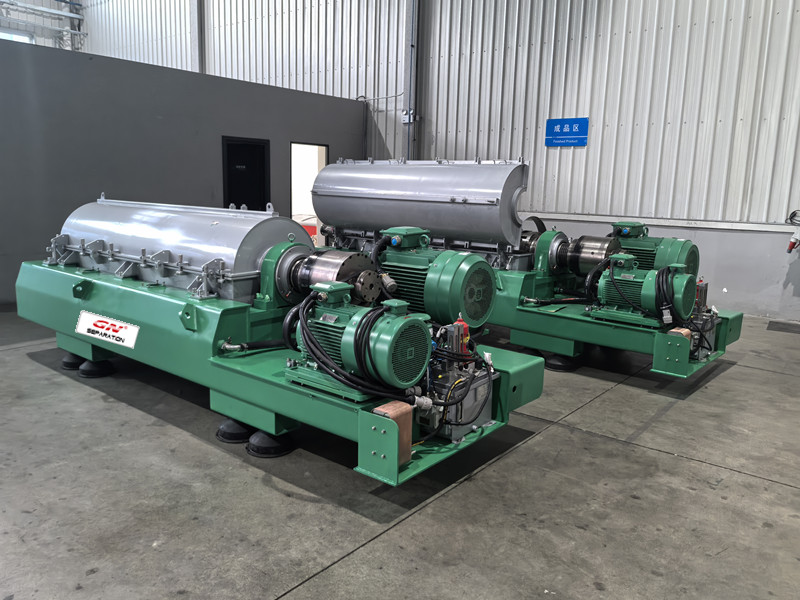
The decanter centrifuge system is also effective in processing oily wastewater generated during crude oil handling.
Traditional methods involved direct incineration post-dehydration, leading to significant loss of recoverable oil.
Now, with pretreatment techniques (adding demulsifiers and surfactants), the emulsified oily wastewater is broken down more efficiently.
Once demulsified, the wastewater is transferred to oil traps for gravity separation.
In this setup:
The floating oil is collected.
The sludge layer is further processed.
The middle layer mixture is sent to the wastewater treatment system for final disposal.
Drilling Waste (OBM) Treatment with Decanter Centrifuges
Decanter centrifuges are also used in the treatment of oil-based muds (OBM) from drilling operations. OBMs typically consist of: Base oil, Water, Organoclay, Oil-soluble treatment agents
OBMs offer advantages such as high-temperature resistance, calcium tolerance, wellbore stabilization, and reduced damage to oil and gas formations. However, the waste solids generated from equipment such as shale shakers, centrifuges, and dryers pose serious environmental risks.
Treatment Method:
High-Speed Agitation: Collected OBM wastewater is blended with demulsifiers and surfactants.
Screening: Vibrating screens remove large debris (soil, sand, plastic, gauze, etc.).
Two-Phase Centrifuge: An efficient two-phase decanter centrifuge performs continuous separation of oil, water, and solids.
Thermal Desorption: Remaining oil in the sludge is recovered through thermal desorption.
Oil Recovery: Purified oil is collected and reused.
Final residues typically contain less than 1% oil, meeting environmental safety requirements.
The integration of decanter centrifuge technology into waste oil recycling processes greatly enhances the efficiency of oil recovery, wastewater treatment, and solid waste minimization. Whether applied in crude oil processing, refinery operations, or drilling waste management, these systems offer reliable, scalable, and environmentally friendly solutions that align with modern sustainability goals.
The Role of Centrifuges in Sugar Beet Washing: Improving Efficiency and Cleanliness
1. Importance of Thorough Sugar Beet Cleaning
In sugar production, the quality of raw material preparation directly impacts the efficiency of the entire process. For sugar beet processing plants, one of the most critical early steps is the cleaning of harvested beets. Sugar beets are typically delivered from the field covered in soil, stones, and other debris. If not properly removed, these impurities can damage downstream equipment, reduce sugar extraction efficiency, and increase maintenance costs.
Traditionally, sugar beets are cleaned using water-based systems like flumes and drum washers. However, these systems generate large volumes of wastewater mixed with fine solids. The separation of these solids from the washing water is essential for reusing the water and maintaining plant hygiene and process stability. This is where centrifuge technology becomes highly valuable.
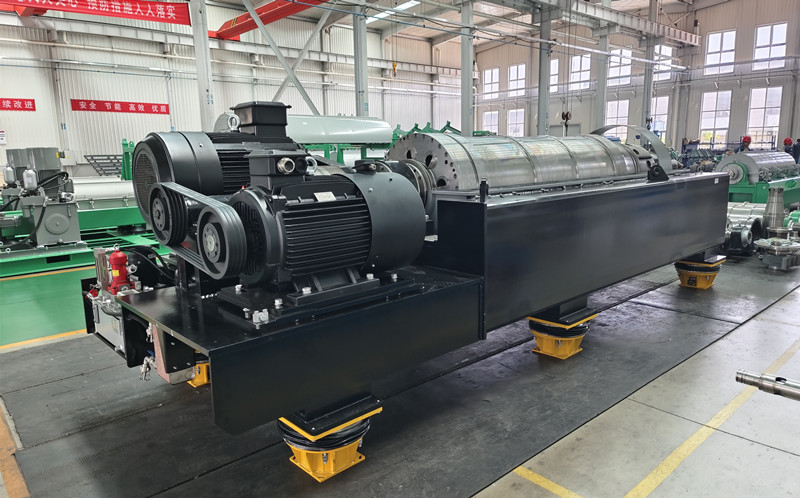
2. Centrifuges for Solids Removal and Water Recycling
Modern beet washing systems increasingly rely on decanter centrifuges to handle the wastewater generated during the cleaning process. A decanter centrifuge is designed to continuously separate suspended solids from liquids using high-speed rotational force. In sugar beet washing, it efficiently removes soil, sand, and organic particles from the wash water.
The benefits are twofold:
First, the clarified water can be reused in the washing loop, significantly reducing the consumption of fresh water and lowering utility costs.
Second, the dewatered solids (beet soil and debris) are discharged as a dry cake, which is easier and more cost-effective to handle, transport, or dispose of.
This not only enhances the environmental sustainability of the operation but also increases process uptime, as clean water reduces the wear on pumps, nozzles, and washing machinery.
3. Key Benefits of Using Centrifuges in Beet Processing
The integration of a centrifuge into the sugar beet cleaning process provides multiple operational advantages:
✅ Water Savings: Recycled water reduces dependency on fresh water sources.
✅ Efficient Solids Removal: Reduces buildup in the system and minimizes downtime.
✅ Lower Maintenance Costs: Clean water means less abrasion and damage to equipment.
✅ Sustainable Operations: Supports environmental goals by reducing water waste and solid disposal volumes.
✅ Improved Plant Performance: Consistent cleaning leads to better sugar extraction rates.
Many modern sugar factories around the world have already incorporated high-performance centrifuge systems into their cleaning stations as part of their effort to boost production efficiency while meeting environmental regulations.
Key Factors Affecting the Separation Performance of Decanter Centrifuge
The decanter centrifuge is a widely recognized and essential piece of equipment in various industries for continuous solid-liquid separation. Whether you’re an equipment user or managing a website related to centrifuges, it’s crucial to understand how these machines work and what factors influence their performance. This knowledge ensures correct usage, optimal efficiency, and better alignment with market and manufacturer expectations.
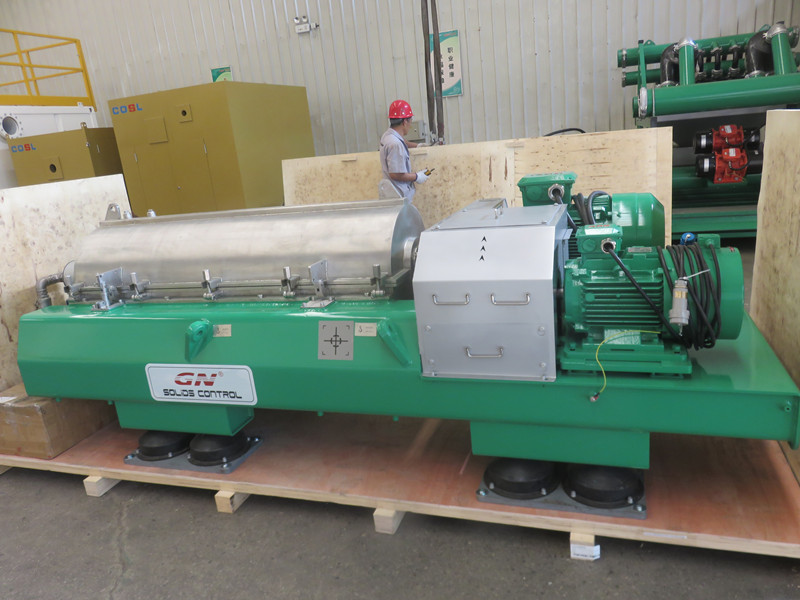
- Role and Working Principle of the Differential in decanter centrifuges
The differential is a critical component of the decanter centrifuge, responsible for creating a constant differential speed between the rotating bowl and the internal screw conveyor. This speed difference enables the screw to continuously transport separated solids (or sludge) toward the small-end discharge port, while clarified liquid exits from the large-end overflow weir.
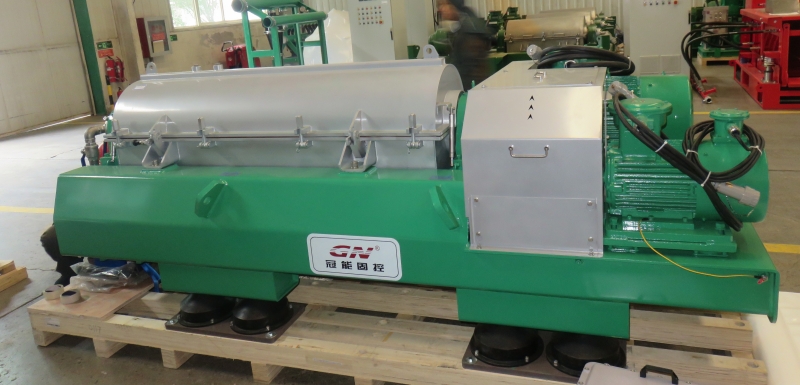
In simple terms, the differential ensures that solid particles, after being separated by centrifugal force, are moved toward the solids discharge zone, while the clarified liquid flows out separately—resulting in effective solid-liquid separation.
- Key Factors Influencing Separation Efficiency
Several factors impact the separation effect of a decanter centrifuge. Among these, material characteristics play the most significant role:
Particle size, shape, and density: Coarse and denser particles settle faster and are easier to separate than fine or light particles.
Liquid phase properties: The viscosity, density, and surface tension of the liquid affect how easily solids can settle.
Sludge consistency and concentration: High solid content or thixotropic sludge may require specific adjustments or additives.
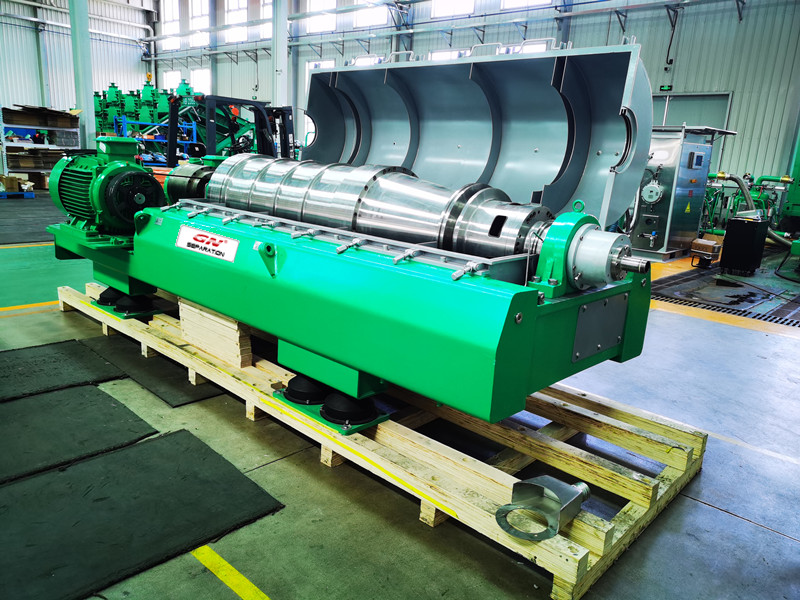
In addition to feed properties, other factors include:
Bowl speed and differential speed
Pond depth (weir plate settings)
Feed flow rate and temperature
Centrifuge design (beach angle, screw pitch, etc.)
The appropriate type of decanter centrifuge must be selected based on the nature of the feed material to ensure optimal performance.
- Decanter Centrifuge vs. Disc Stack Centrifuge: Are They Comparable?
While both are centrifuges, decanter centrifuges and disc stack centrifuges serve different purposes and operate under different principles:
Decanter centrifuge: Operates at lower centrifugal force (typically 2,500–3,500 G), ideal for high-solids slurries, continuous sludge dewatering, and industrial-scale wastewater or byproduct treatment.
Disc stack centrifuge: Operates at higher G-forces (7,000–8,000 G), better suited for clarifying liquids with very fine solids (e.g., dairy, juice, or pharmaceutical applications).
Because of these fundamental differences, the two types are not directly comparable, and each should be used in its specific application context.
- How to Improve the Efficiency of a Decanter Centrifuge
To enhance the working efficiency of a decanter centrifuge, consider the following strategies:
Optimize operating parameters:
Adjust bowl speed and differential speed to match the characteristics of the feed. A higher bowl speed increases separation force but must be balanced to avoid excessive wear or energy use.
Adjust pond depth and feed rate:
Proper weir plate settings control the pond depth inside the bowl, influencing sedimentation time and clarity. Ensure the feed rate aligns with the centrifuge’s capacity to avoid overloading.
Use chemical additives (flocculants or coagulants):
Additives can improve solid particle aggregation, making them easier to separate. This is particularly useful when dealing with fine or colloidal solids.
Install a BD (beach design) board or adjustable cone angle:
These help improve solids drying and discharge performance by optimizing the sediment discharge process.
Maintain equipment regularly:
Ensure the screw, bowl, bearings, and seals are in good condition. Consistent lubrication (preferably automated) and wear protection (e.g., tungsten carbide plating) reduce downtime and extend service life.
Conclusion
Understanding the operating principles and performance factors of decanter centrifuges is essential for effective use and maintenance. By paying attention to feed characteristics, optimizing equipment settings, and implementing smart operational strategies, users can significantly enhance separation efficiency and reduce operating costs.
Guidance on the Two Major Aspects of Decanter Centrifuge Use
Centrifuges, including decanter centrifuges, are commonly used in a wide range of industrial applications. However, proper operation is essential to ensure safety, efficiency, and equipment longevity. To help users operate the equipment correctly and reasonably, this guide outlines key recommendations from decanter centrifuge manufacturers, focusing on two main phases: before use and during operation.
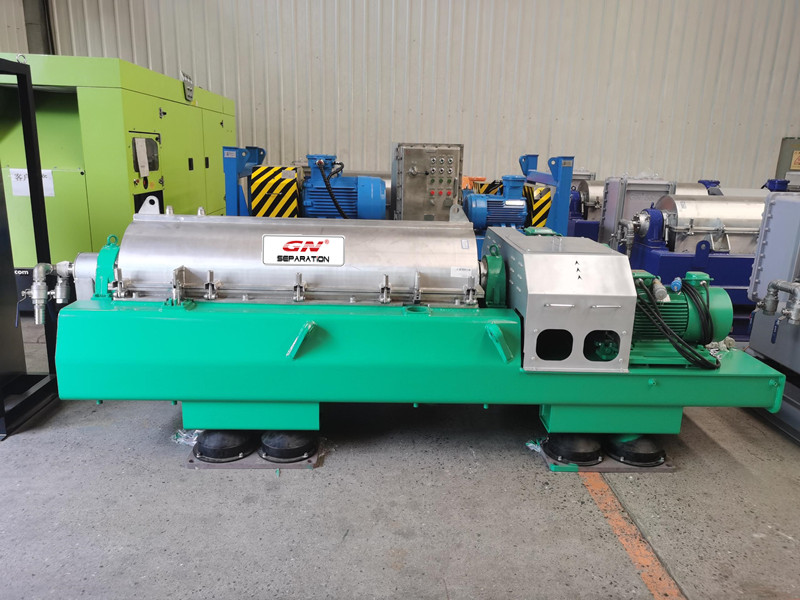
- Pre-Operation Checklist: What to Do Before Using a decanter centrifuge
Manufacturers stress that careful preparation is critical to safe and effective operation. The following steps should be followed before each use:
Positioning and Setup
Place the centrifuge on a stable, level, and vibration-free surface to ensure accurate operation and avoid mechanical stress.
Safety Precautions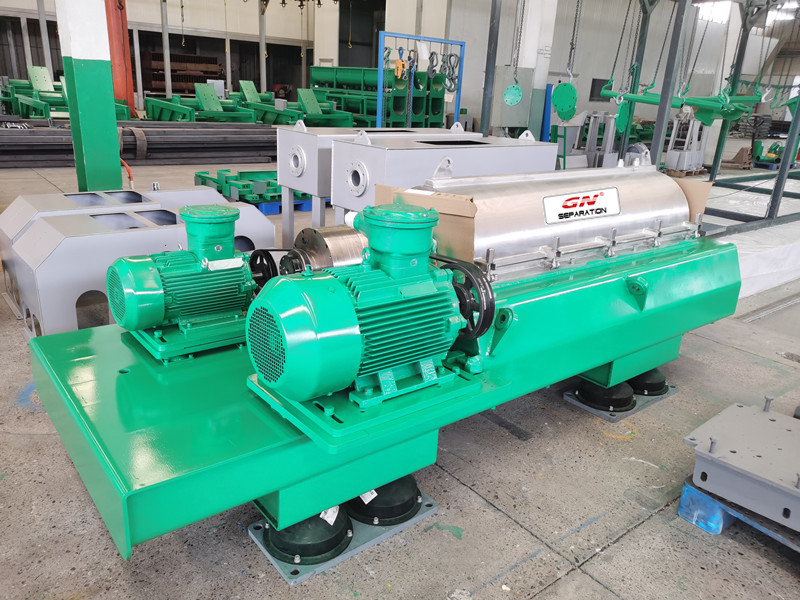
Do not place any objects on the cover or control panel of decanter centrifuge.
Samples must be placed symmetrically to avoid imbalance and vibrations.
Ensure that the compression nut is properly tightened before operation to prevent components from dislodging during high-speed rotation.
Component Inspection
Check the rotor for signs of corrosion, dents, or deformation.
Inspect the bowl of decanter centrifuge for cracks, aging, or wear. If any issues are found, the unit must not be used and should be serviced by qualified personnel.
- Operational Safety: Guidelines While the Centrifuge is Running
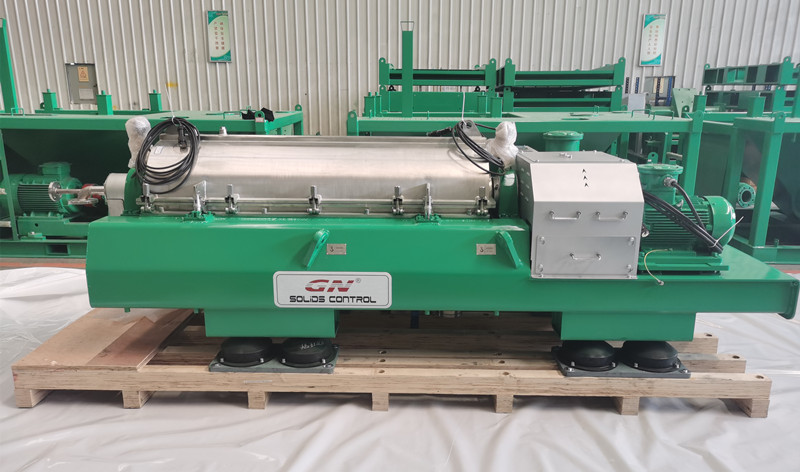
Once the decanter centrifuge is in use, the following guidelines must be observed:
Speed and Performance
Ensure the rotation speed stays within the specified range to maintain equipment integrity and prevent accidents.
If abnormal vibrations, noises, or speed fluctuations occur, stop the machine immediately and investigate the issue before resuming operation.
Door and Lid Safety
Do not open the centrifuge door while it is in operation. Doing so can be extremely dangerous due to the high-speed rotation of internal components.
Balance and Load
Always load the centrifuge symmetrically, with equal weight in opposite positions. An unbalanced rotor can damage the machine and pose a safety risk.
Operating Time
Limit continuous operation to a maximum of 60 minutes to avoid overheating or mechanical strain.
By following these key guidelines provided by decanter centrifuge manufacturers, users can ensure safe operation and prolong the lifespan of the equipment. Proper installation, inspection, and handling—both before and during use—are essential for effective sludge separation and process reliability.
For any uncertainties or specific operational scenarios, it is always recommended to consult the manufacturer’s technical team or user manual for tailored guidance.
The Role of Centrifuges in the Palm Oil Industry: Applications and Advantages
In the palm oil industry, efficient separation technology is critical to maintain high oil yield, ensure environmental compliance, and reduce operating costs. Among the available technologies, centrifuges—particularly decanter and disc stack separators—play a vital role across multiple stages of palm oil processing, from crude oil clarification to waste management.
Treating POME Effectively
Palm Oil Mill Effluent (POME) is a high-strength wastewater produced during the oil extraction process. If not properly managed, POME can cause significant environmental pollution due to its high chemical oxygen demand (COD) and biological oxygen demand (BOD). Traditional methods of treating POME, such as open lagoons, require large land areas and long retention times.
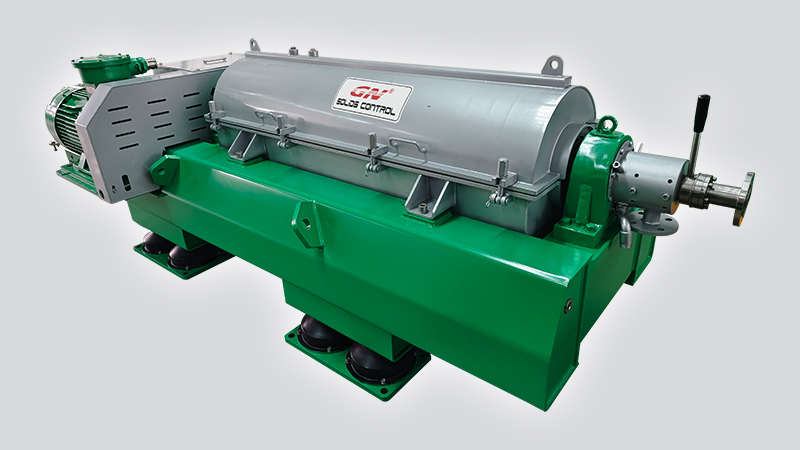
Decanter centrifuges offer a more compact and efficient alternative by rapidly separating solid particles from the liquid phase. This not only reduces the load on downstream biological treatment systems but also enables the recovery of oil from the wastewater stream, contributing to overall yield improvement.
Decanter & Separator in Oil Clarification and Recovery
During the clarification stage of crude palm oil (CPO), decanter centrifuges are used to separate the oil from solids and sludge. Their continuous operation and high G-force make them ideal for handling high-volume flows, while maintaining oil quality and minimizing losses.
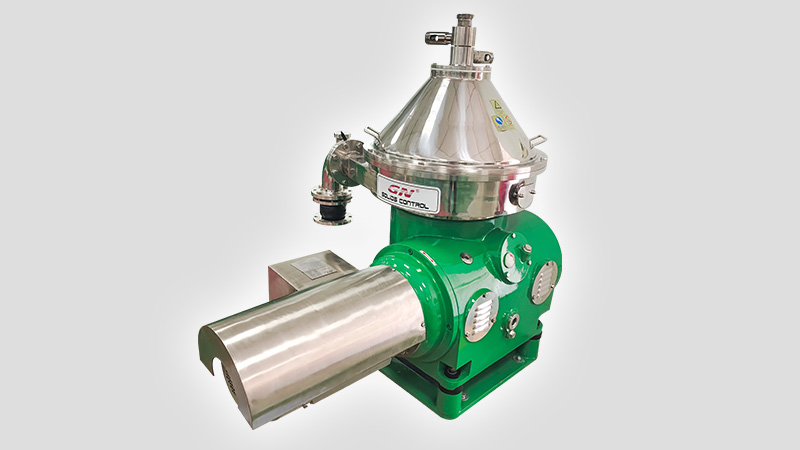
Disc stack separators, on the other hand, are commonly used in the polishing stage or in the refinery. They remove fine particles and water from the oil, ensuring high purity. They are also effective in recovering oil from sludge and empty fruit bunch press liquor, maximizing profitability.
Key Advantages
High efficiency in solid-liquid separation
Compact footprint compared to traditional methods
Oil recovery from waste streams
Reduced environmental impact
Lower OPEX through automation and continuous operation
As sustainability and profitability become increasingly important in palm oil production, centrifuges are proving to be a smart investment for modern palm oil mills and refineries.
How to Correctly Operate a Decanter Centrifuge
A decanter centrifuge is a powerful piece of equipment used to separate mixtures of two or three components (typically liquid-solid or liquid-liquid-solid) based on differences in density. To ensure safe, efficient, and effective operation, the following steps and precautions should be followed:
1. Principle of Operation
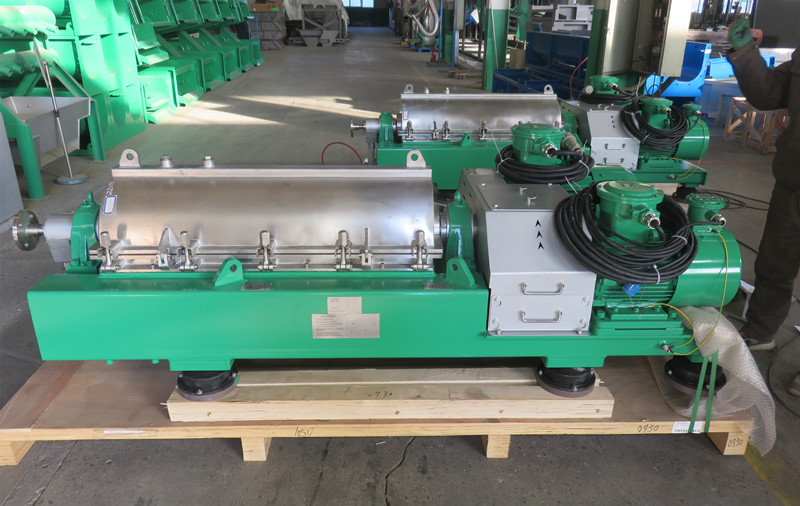
The decanter centrifuge operates on the principle of centrifugal sedimentation. During operation:
The main motor drives two pulleys, which in turn rotate the bowl (drum) and the scroll (screw conveyor).
The rotation is managed through a differential gearbox (cycloidal or planetary) that maintains a constant differential speed between the bowl and scroll.
This differential allows the screw to convey solids toward the discharge while the bowl spins at high speed to separate solids from liquids.
2. Importance of Balance
To achieve optimal separation and prevent equipment damage, proper balance is critical:
The decanter centrifuge bowl, rotor, and all components must be precisely balanced before operation.
Centrifuge tubes and their contents must be balanced by weight according to the manufacturer’s specifications. For ultracentrifuges, the weight difference between paired tubes should not exceed 0.1 g.
If using centrifuge tube sleeves, ensure that the sleeves are balanced and not interchanged between different centrifuge models.
3. Loading and Setup
Before starting the centrifuge:
Ensure even and symmetrical loading of the centrifuge tubes into the rotor or drum.
Close and securely fasten the centrifuge cover.
Turn on the power supply, and set the operating parameters including:
Bowl speed (RPM)
Differential speed
Centrifugation time
(If applicable) Temperature, vacuum level, and feed rate
4. During Operation
Monitor the unit for vibration, noise, or imbalance, and ensure smooth operation.
Most modern decanter centrifuges are equipped with automatic control systems that manage speed, temperature, timing, and safety interlocks.
5. Stopping and Unloading
As the set separation time approaches, gradually reduce speed using the control panel or allow the automatic system to initiate deceleration.
Wait for the drum to come to a complete stop naturally.
Open the cover and carefully remove the centrifuge tubes or inspect the discharge outlets.
Turn off the power and unplug the unit if not in continuous operation.
6. Cleaning and Maintenance
After each use:
Clean the bowl, scroll, centrifuge chamber, tubes, and sleeves thoroughly to prevent residue buildup.
Inspect wear-prone components such as seals, bearings, and nozzles regularly.
Ensure no foreign objects or residue are left inside the drum to avoid imbalance in future operations.
7. Safety Precautions
Never open the cover while the centrifuge is running.
Avoid operating the centrifuge if it is visibly unbalanced or damaged.
Always refer to the manufacturer’s user manual for specific tolerances and maintenance intervals.
By following these guidelines, you can ensure the decanter centrifuge operates safely, maintains long-term performance, and delivers reliable separation results.