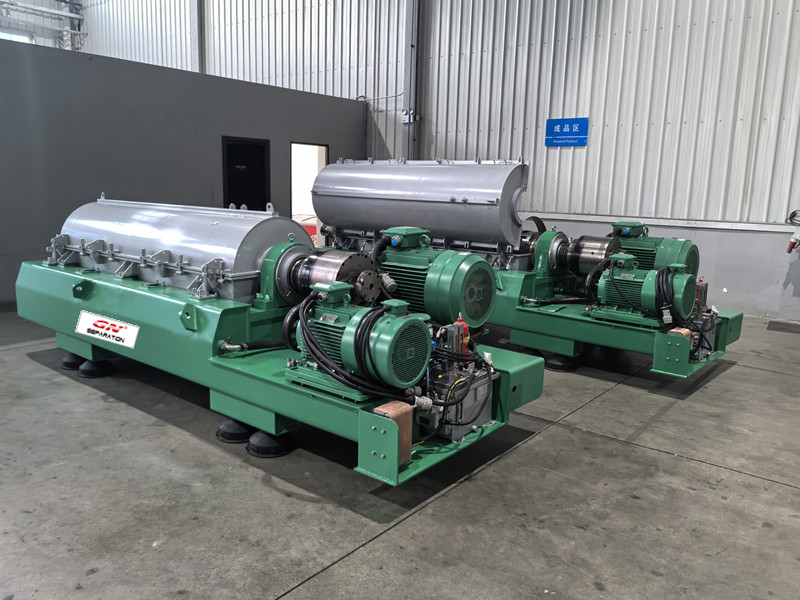
In high-performance decanter centrifuges, components like the scroll and bowl are exposed to severe abrasion from sand, sludge, and other solids. To improve durability and reduce maintenance frequency, two main wear protection methods are widely used: Tungsten Carbide Tiles (TCT) and Hard Facing Wear-Resistant Coatings. Here’s how they compare.
1. What Are Tungsten Carbide Tiles?
Tungsten Carbide Tiles are precision-cut ceramic-metal composite plates, fixed to the scroll flights and conveyor tips. These tiles have exceptional hardness—second only to diamond—and are designed to resist intense abrasion in the most aggressive applications such as drilling mud, mining tailings, and oil sludge treatment. Their modular design allows for easy replacement of individual tiles when worn.

2. What Is Hard Facing Coating?
Hard facing involves applying a wear-resistant metal alloy (typically chromium or nickel-based) onto the base metal surface by welding. This creates a hardened outer layer that extends component life under moderate wear conditions. Hard facing is more cost-effective than TCT and is suitable for less aggressive media such as municipal sludge or food industry residues.

3. Performance & Application Differences
While both techniques improve wear life, TCT offers superior resistance to high-impact and high-abrasion environments. In contrast, hard facing is easier to apply, more economical, and adequate for medium-duty applications. TCTs are preferred when equipment uptime is critical, and maintenance windows are limited.
4. Which One Should You Choose?
The choice depends on your application. If your centrifuge handles extremely abrasive materials, Tungsten Carbide Tiles are a long-term investment with minimal downtime. For standard applications with less wear intensity, Hard Facing Coating provides a good balance between cost and durability.