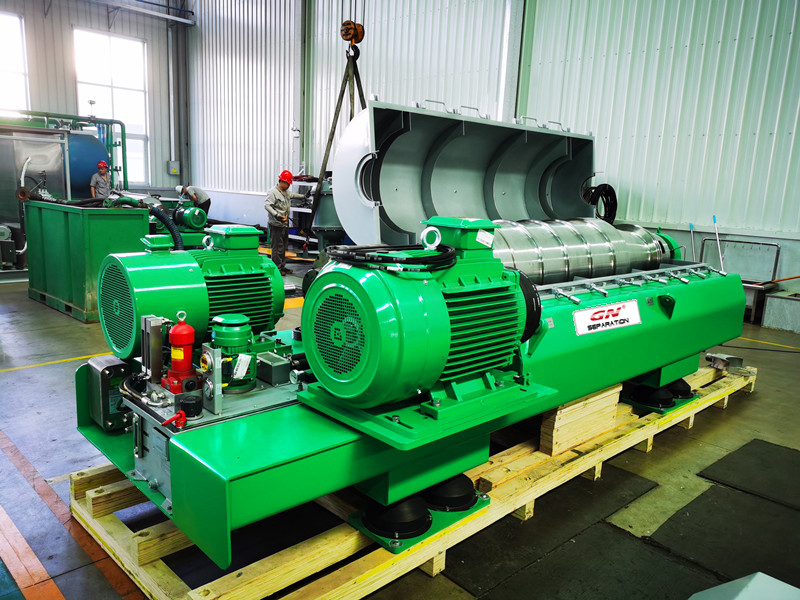
The necessity of periodic inspection of a Decanter centrifuge is crucial for maintaining its optimal performance, ensuring safety, and prolonging its service life. Here are some key reasons why periodic inspection is necessary:
- Maintenance of Optimal Performance:
- Efficiency: Regular inspections help ensure that the centrifuge operates at its designed efficiency. Over time, wear and tear can reduce its effectiveness, but timely maintenance can mitigate these effects.
- Separation Quality: The primary function of a Decanter centrifugeis to separate solids from liquids. Periodic inspections ensure that the separation process remains effective, maintaining product quality.
- Safety Considerations:
- Preventive Measures: Regular inspections can identify potential hazards before they lead to accidents. This includes checking for worn-out parts, leaks, or other safety issues.
- Compliance with Regulations: Many industries have strict safety regulations regarding equipment maintenance. Periodic inspections help ensure compliance with these regulations.
- Prolonging Service Life:
- Early Detection of Problems: Through regular inspections, potential issues can be detected early, allowing for proactive repairs before they escalate into more serious problems.
- Cost Savings: Preventive maintenance is generally more cost-effective than reactive repairs. By catching problems early, you can avoid more expensive repairs or even the need for replacement parts.
- Environmental Impact:
- Leak Prevention: Leaks from worn-out seals or other parts can lead to environmental contamination. Regular inspections help prevent these leaks, protecting both the environment and the company’s reputation.
- Resource Efficiency: Ensuring the centrifuge operates efficiently also means minimizing waste and energy consumption, which aligns with sustainable practices.
- Regulatory Compliance and Documentation:
- Record Keeping: Keeping detailed records of inspections and maintenance activities is important for regulatory compliance and can be useful for troubleshooting and performance tracking.
- Audit Preparedness: Regular inspections and maintenance records can help prepare the company for audits or inspections by regulatory bodies.
- Improved Reliability and Uptime:
- Minimizing Downtime: Preventive maintenance reduces the likelihood of unplanned downtime, ensuring that the centrifuge is available when needed.
- Consistency in Output: Regular inspections help maintain consistent performance, ensuring that the centrifuge produces reliable results over time.
In summary, periodic inspection of a decanter centrifuge is essential for maintaining its performance, ensuring safety, prolonging its service life, protecting the environment, and complying with regulations. By establishing a robust maintenance schedule and adhering to it, companies can optimize their centrifuge’s performance and minimize operational disruptions.