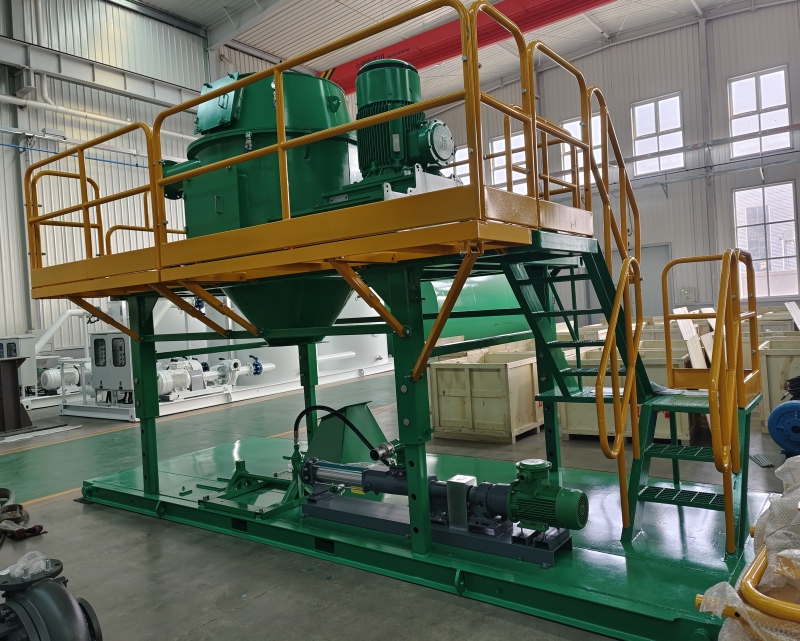
With the continuous growth of global energy demand, the oil and natural gas industry in Africa is also becoming increasingly prosperous. In this context, GN solids control‘s Drilling Cuttings Dyer for Oil-based Cuttings has successfully entered the African market and won the favor of multiple clients.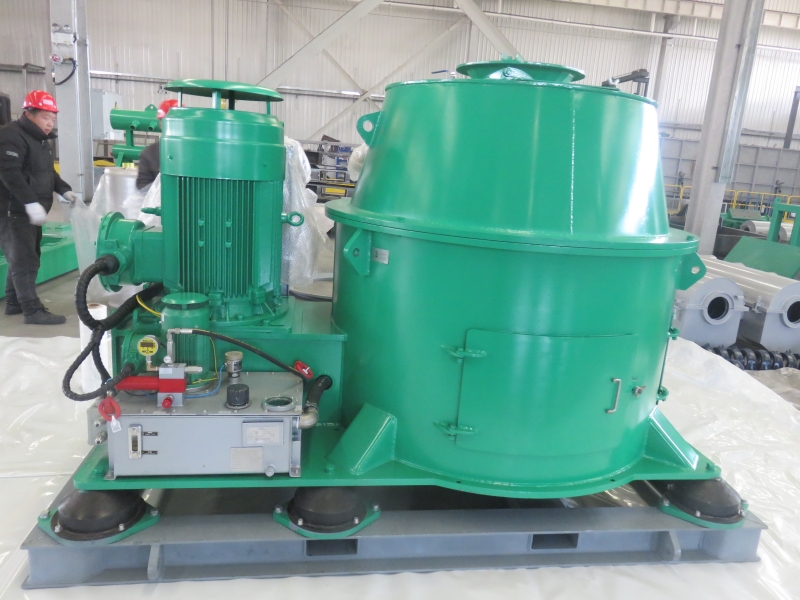
The Drilling Cuttings Dyer for Oil-based Cuttings is one of the important equipment in the process of oil and natural gas exploitation. It is used to dry the cuttings generated during drilling, reducing environmental pollution and resource waste. In Africa, due to the relatively backward drilling technology and equipment, there is a large demand for Drilling Cuttings Dyer for Oil-based Cuttings.
GN solids control’s Drilling Cuttings Dyer for Oil-based Cuttings adopts advanced technology and materials, with features such as high efficiency, stability, and energy saving, able to meet the needs of different clients. In the African market, the company’s products have been successfully applied to multiple oil fields and drilling platforms, receiving high praise and recognition from clients.
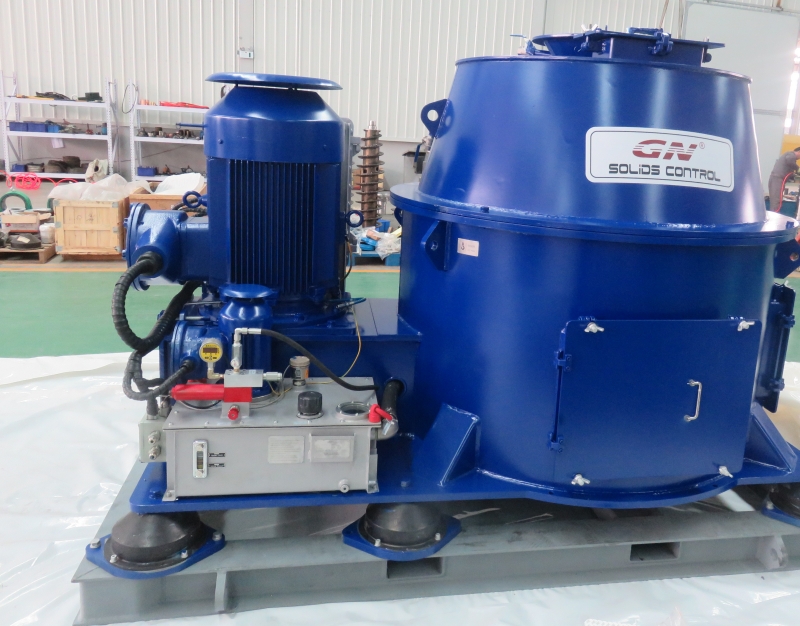
The working principle of Vertical Cuttings Dryer is as follows:
The centrifugal force is generated.
The internal of the Vertical Cuttings Dryer is usually equipped with a high-speed rotating drum, and the drum is equipped with a screen inside. When the drum rotates at high speed, the centrifugal force acts on the cuttings, allowing the cuttings and mud water to pass through the screen into the drum.
The effect of gravity.
Under the action of centrifugal force, the heavier cuttings are thrown onto the inner wall of the drum. As the drum rotates, the cuttings gradually slide down to the bottom of the drum and are discharged through the slag discharge port. The lighter mud water flows through the screen, collects in the collection tank under the equipment.
The role of the screen.
The screen design can effectively prevent large cuttings from passing through, while ensuring that the mud water can flow through smoothly. In addition, the screen can be replaced according to different needs to adapt to different particle sizes of cuttings.
Drying treatment.
The dried cuttings have low moisture content and can be further processed or directly transported. At the same time, the mud water in the collection tank can also be drained through pipelines for subsequent treatment or reuse.