During the separation of heavy oil, corrosion of mechanical components of centrifugal separation equipment such as decanter centrifuge is a common and critical issue. This corrosion can be categorized into cold corrosion and hot corrosion, both of which arise under different conditions during operation and shutdown.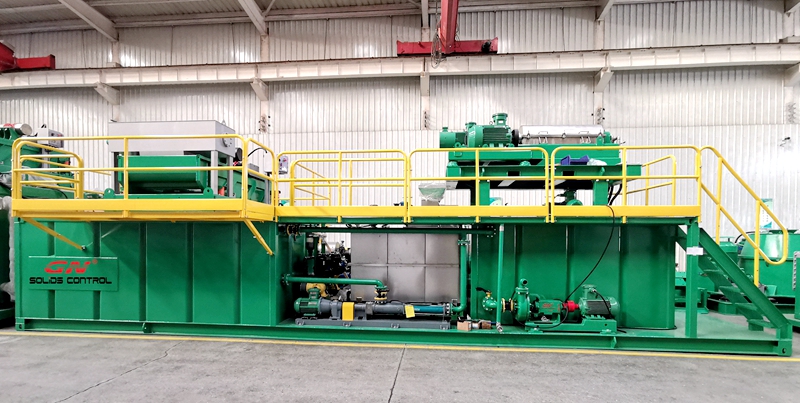
When heavy oil is processed in separation equipment like decanter centrifuge, the high operating temperatures required for effective separation can cause sulfur compounds in the oil to generate sulfuric acid and sulfurous acid. Upon shutdown, these acidic vapors condense on cooler component surfaces, leading to cold corrosion. On the other hand, hot corrosion occurs when compounds such as vanadium and sodium react directly with heated surfaces at elevated temperatures. Among these, hot corrosion is typically more damaging and poses a greater long-term threat to the equipment.
To mitigate corrosion without significantly compromising separation performance of separation equipment like decanter centrifuge, two main solutions are currently employed:
Temperature Control Based on Material Properties
Adjust the separation temperature according to the actual characteristics of the heavy oil. For materials with relatively low solids content and low viscosity, the separation temperature can be effectively controlled in the range of 60°C to 75°C. This helps minimize the formation of corrosive compounds while maintaining acceptable separation performance.
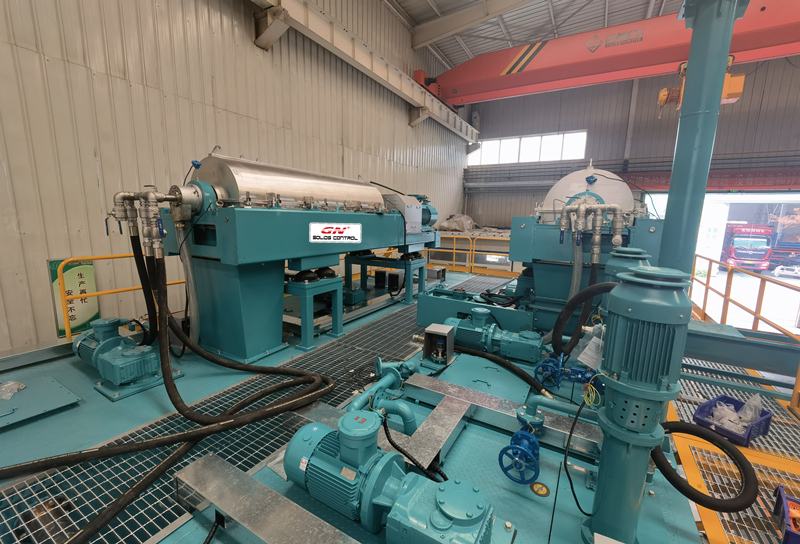
Material Selection for Contact Surfaces
Replace or upgrade components that come into contact with the heavy oil using corrosion-resistant materials (e.g., high-grade stainless steel, surface coatings, or specialty alloys) that match the chemical properties of the processed oil. This approach is especially important when dealing with highly corrosive heavy oil streams.
In addition to these strategies, attention must be paid to manufacturing and assembly quality. Improper welding, inadequate heat treatment, and uneven bolt tightening can all cause local stress concentrations, which can further accelerate corrosion or even lead to mechanical failure. Thus, implementing correct fabrication and assembly procedures is another effective way to prevent damage.
It is important to note that centrifuge corrosion is a complex, multi-factorial issue. The actual working environment inside the centrifuge differs significantly from the static conditions described in standard material data sheets. Therefore, beyond the above measures, engineers must also consider factors such as:
Dissolved oxygen levels in the process fluid
Temperature gradients
High-speed fluid motion
Changes in fluid state within the separation zone
Proper analysis and preventive measures, based on these dynamic conditions, are essential to ensure the safe, stable, and long-term operation of heavy oil separation equipment.