Centrifuges are vital equipment in wastewater treatment plants, primarily used for dewatering sludge, which is a byproduct of the treatment process. Sludge contains both solid particles and water, and centrifuges help separate the two through rapid spinning. This high-speed rotation creates centrifugal force, pushing denser solids toward the edges while the lighter liquid remains at the center. This separation process helps reduce the volume of sludge, making it easier to handle, transport, and dispose of, which significantly cuts down on operational costs.
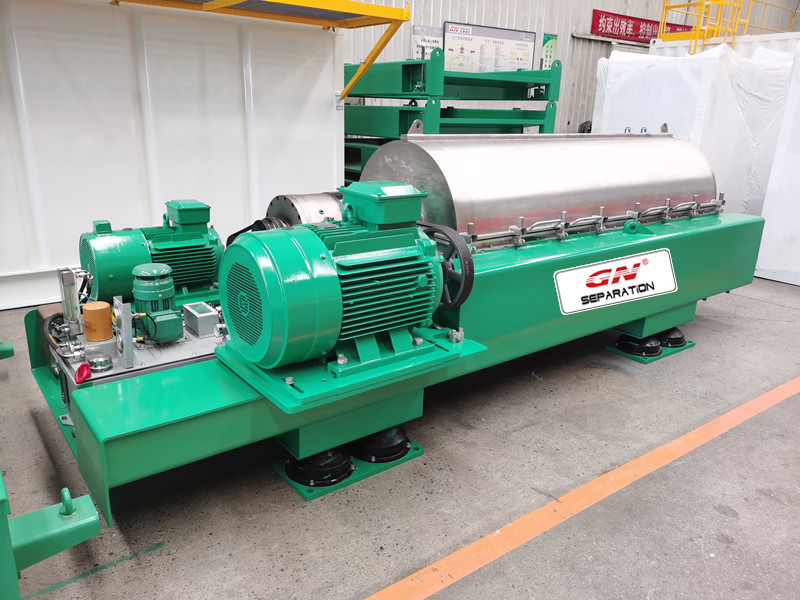
How GN Centrifuges Work in Wastewater Treatment
In wastewater treatment, GN centrifuges are used after the primary treatment process when solid particles settle and form sludge. The centrifuge spins the sludge at high speeds, causing the water to be expelled from the solid particles. The result is a concentrated sludge “cake,” which is more manageable for disposal. The liquid removed, often referred to as “centrate,” can be treated and reused in the treatment plant, which helps conserve water and improves overall sustainability.
Benefits of Using GN Centrifuges
Centrifuges offer several advantages in wastewater treatment. They are highly efficient in reducing the volume of sludge, which decreases the need for costly landfill space and transport. Additionally, the recovery of water through centrifugation helps minimize the use of fresh water, supporting sustainability efforts. While the initial investment in a centrifuge can be high, the long-term savings in energy, disposal, and water reuse make it a cost-effective solution. Furthermore, centrifuges are capable of processing various types of sludge, making them a versatile choice for many industries.
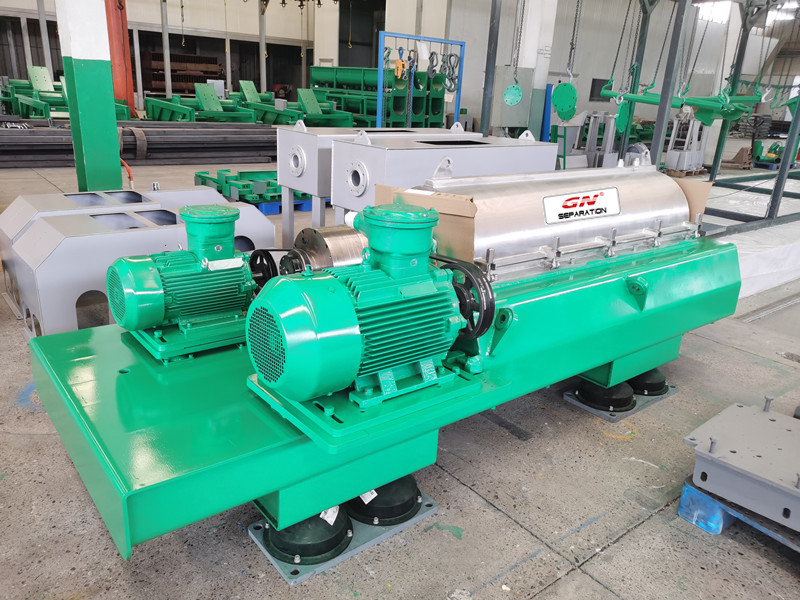
Environmental and Operational Impact
The use of centrifuges in wastewater treatment also benefits the environment by reducing the volume of waste sent to landfills. By efficiently separating water from sludge, centrifuges contribute to a cleaner environment and reduce the carbon footprint of wastewater plants. While they do require regular maintenance and occasional pre-treatment of the sludge, their ability to handle large volumes of material quickly makes them indispensable in modern wastewater treatment systems.
In conclusion, centrifuges are an essential technology in wastewater treatment, offering both economic and environmental advantages. They improve the efficiency of sludge dewatering, reduce waste, and help conserve valuable resources, playing a key role in making wastewater treatment more sustainable and cost-effective.