Monthly Archives: May 2025

The Role of Centrifuges in Sugar Beet Washing: Improving Efficiency and Cleanliness

1. Importance of Thorough Sugar Beet Cleaning

In sugar production, the quality of raw material preparation directly impacts the efficiency of the entire process. For sugar beet processing plants, one of the most critical early steps is the cleaning of harvested beets. Sugar beets are typically delivered from the field covered in soil, stones, and other debris. If not properly removed, these impurities can damage downstream equipment, reduce sugar extraction efficiency, and increase maintenance costs.

Traditionally, sugar beets are cleaned using water-based systems like flumes and drum washers. However, these systems generate large volumes of wastewater mixed with fine solids. The separation of these solids from the washing water is essential for reusing the water and maintaining plant hygiene and process stability. This is where centrifuge technology becomes highly valuable.
2. Centrifuges for Solids Removal and Water Recycling

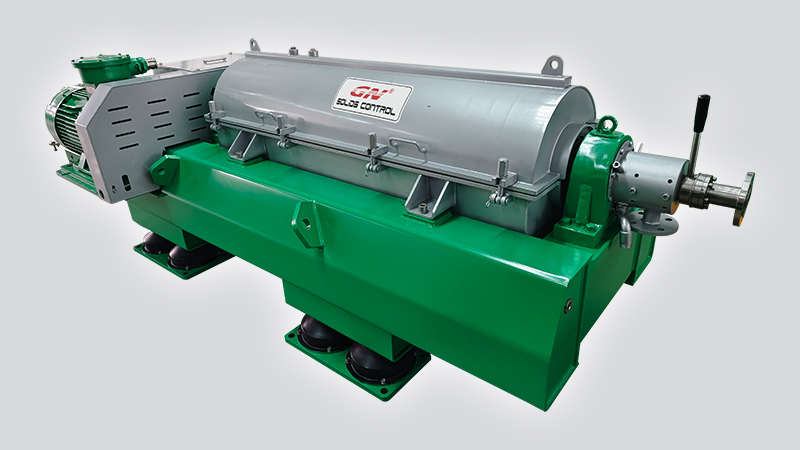
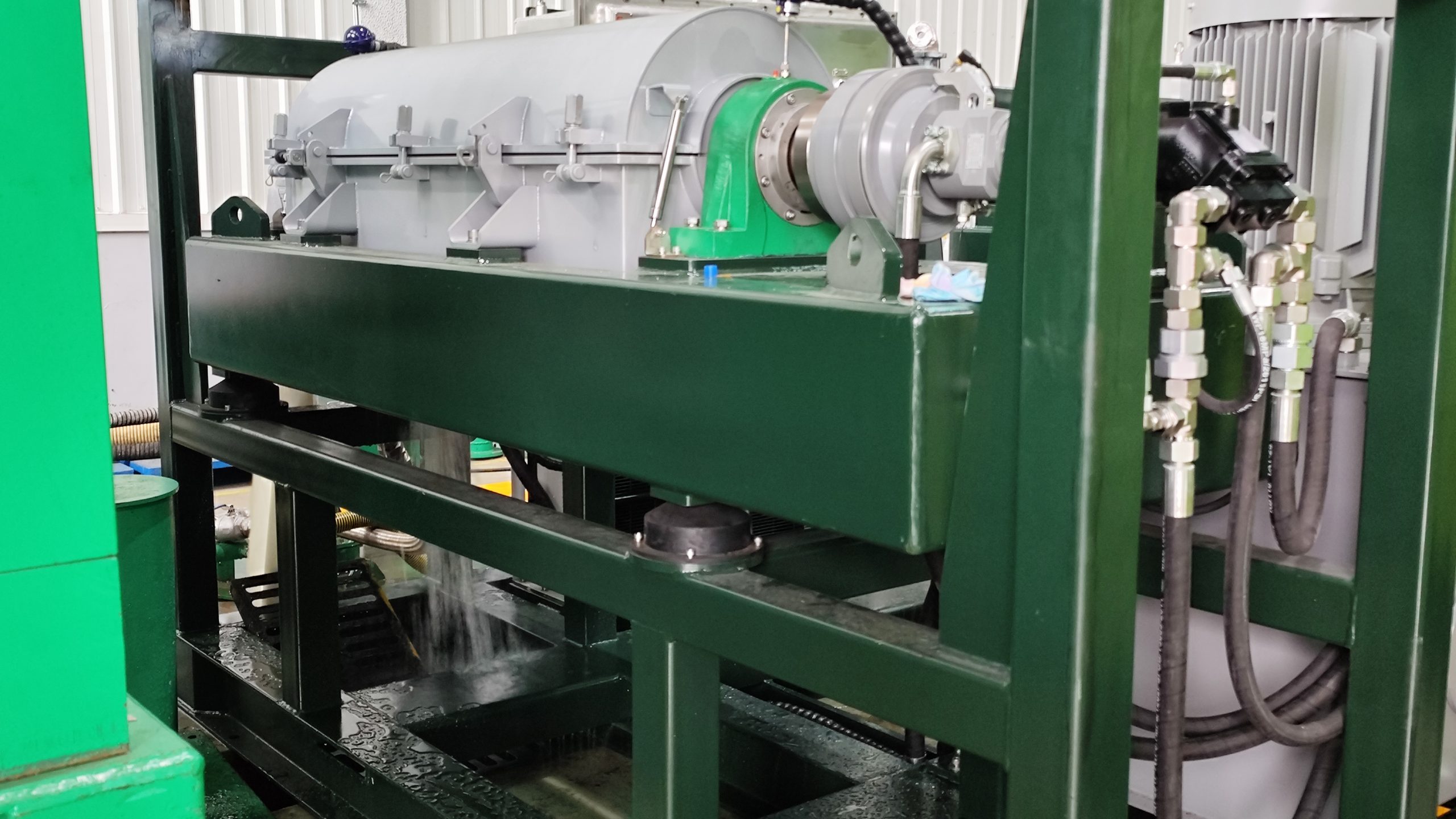
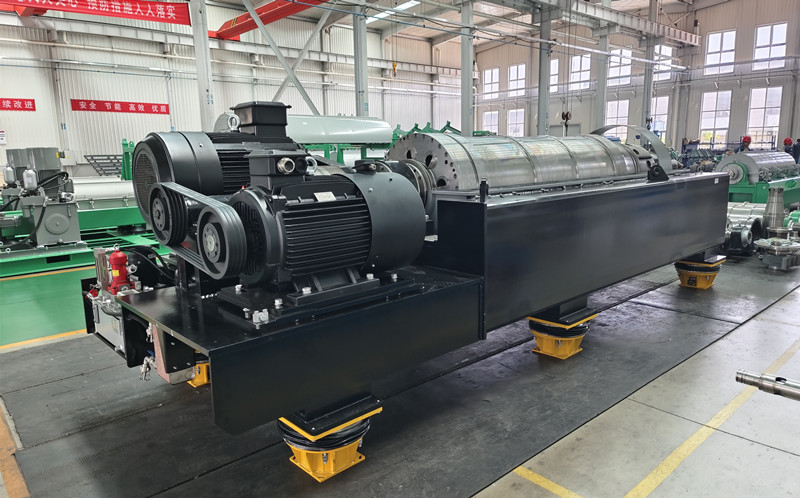
Modern beet washing systems increasingly rely on decanter centrifuges to handle the wastewater generated during the cleaning process. A decanter centrifuge is designed to continuously separate suspended solids from liquids using high-speed rotational force. In sugar beet washing, it efficiently removes soil, sand, and organic particles from the wash water.

The benefits are twofold:

First, the clarified water can be reused in the washing loop, significantly reducing the consumption of fresh water and lowering utility costs.

Second, the dewatered solids (beet soil and debris) are discharged as a dry cake, which is easier and more cost-effective to handle, transport, or dispose of.

This not only enhances the environmental sustainability of the operation but also increases process uptime, as clean water reduces the wear on pumps, nozzles, and washing machinery.

3. Key Benefits of Using Centrifuges in Beet Processing

The integration of a centrifuge into the sugar beet cleaning process provides multiple operational advantages:

Water Savings: Recycled water reduces dependency on fresh water sources.

Efficient Solids Removal: Reduces buildup in the system and minimizes downtime.

Lower Maintenance Costs: Clean water means less abrasion and damage to equipment.

Sustainable Operations: Supports environmental goals by reducing water waste and solid disposal volumes.

Improved Plant Performance: Consistent cleaning leads to better sugar extraction rates.

Many modern sugar factories around the world have already incorporated high-performance centrifuge systems into their cleaning stations as part of their effort to boost production efficiency while meeting environmental regulations.
Key Factors Affecting the Separation Performance of Decanter Centrifuge

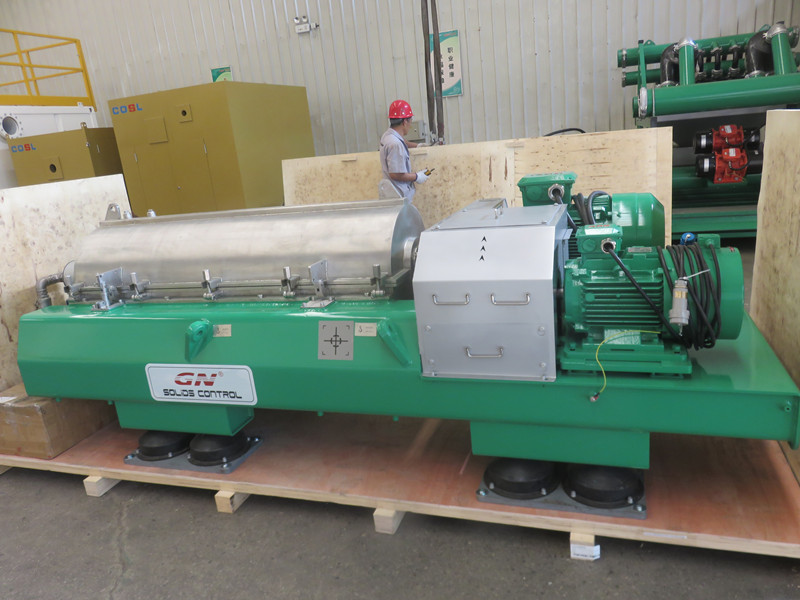
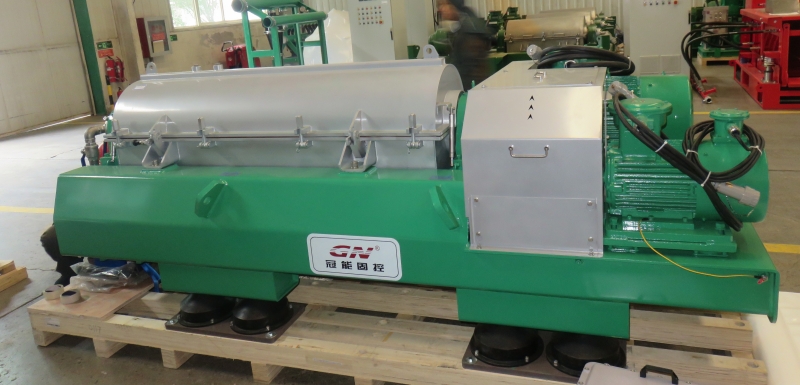
The decanter centrifuge is a widely recognized and essential piece of equipment in various industries for continuous solid-liquid separation. Whether you’re an equipment user or managing a website related to centrifuges, it’s crucial to understand how these machines work and what factors influence their performance. This knowledge ensures correct usage, optimal efficiency, and better alignment with market and manufacturer expectations.

  1. Role and Working Principle of the Differential in decanter centrifuges

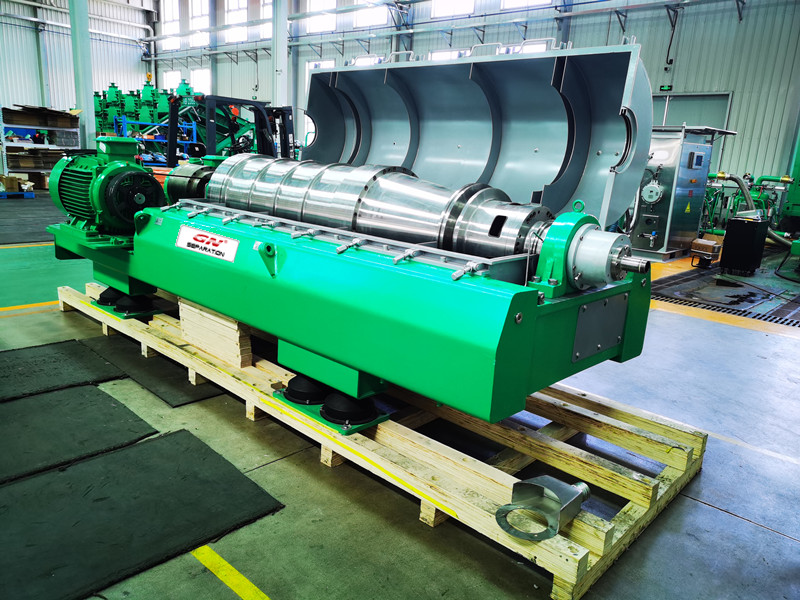
The differential is a critical component of the decanter centrifuge, responsible for creating a constant differential speed between the rotating bowl and the internal screw conveyor. This speed difference enables the screw to continuously transport separated solids (or sludge) toward the small-end discharge port, while clarified liquid exits from the large-end overflow weir.

In simple terms, the differential ensures that solid particles, after being separated by centrifugal force, are moved toward the solids discharge zone, while the clarified liquid flows out separately—resulting in effective solid-liquid separation.

  1. Key Factors Influencing Separation Efficiency

Several factors impact the separation effect of a decanter centrifuge. Among these, material characteristics play the most significant role:

Particle size, shape, and density: Coarse and denser particles settle faster and are easier to separate than fine or light particles.

Liquid phase properties: The viscosity, density, and surface tension of the liquid affect how easily solids can settle.

Sludge consistency and concentration: High solid content or thixotropic sludge may require specific adjustments or additives.

In addition to feed properties, other factors include:

Bowl speed and differential speed

Pond depth (weir plate settings)

Feed flow rate and temperature

Centrifuge design (beach angle, screw pitch, etc.)

The appropriate type of decanter centrifuge must be selected based on the nature of the feed material to ensure optimal performance.

  1. Decanter Centrifuge vs. Disc Stack Centrifuge: Are They Comparable?

While both are centrifuges, decanter centrifuges and disc stack centrifuges serve different purposes and operate under different principles:

Decanter centrifuge: Operates at lower centrifugal force (typically 2,500–3,500 G), ideal for high-solids slurries, continuous sludge dewatering, and industrial-scale wastewater or byproduct treatment.

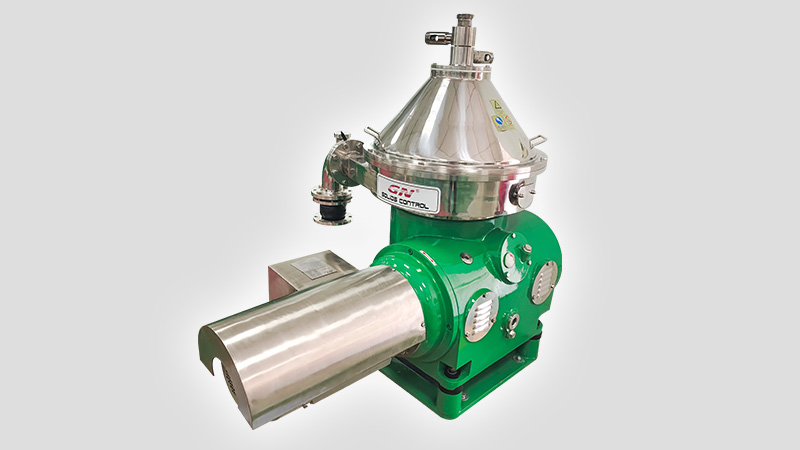
Disc stack centrifuge: Operates at higher G-forces (7,000–8,000 G), better suited for clarifying liquids with very fine solids (e.g., dairy, juice, or pharmaceutical applications).

Because of these fundamental differences, the two types are not directly comparable, and each should be used in its specific application context.

  1. How to Improve the Efficiency of a Decanter Centrifuge

To enhance the working efficiency of a decanter centrifuge, consider the following strategies:

Optimize operating parameters:

Adjust bowl speed and differential speed to match the characteristics of the feed. A higher bowl speed increases separation force but must be balanced to avoid excessive wear or energy use.

Adjust pond depth and feed rate:

Proper weir plate settings control the pond depth inside the bowl, influencing sedimentation time and clarity. Ensure the feed rate aligns with the centrifuge’s capacity to avoid overloading.

Use chemical additives (flocculants or coagulants):

Additives can improve solid particle aggregation, making them easier to separate. This is particularly useful when dealing with fine or colloidal solids.

Install a BD (beach design) board or adjustable cone angle:

These help improve solids drying and discharge performance by optimizing the sediment discharge process.

Maintain equipment regularly:

Ensure the screw, bowl, bearings, and seals are in good condition. Consistent lubrication (preferably automated) and wear protection (e.g., tungsten carbide plating) reduce downtime and extend service life.

Conclusion

Understanding the operating principles and performance factors of decanter centrifuges is essential for effective use and maintenance. By paying attention to feed characteristics, optimizing equipment settings, and implementing smart operational strategies, users can significantly enhance separation efficiency and reduce operating costs.

Guidance on the Two Major Aspects of Decanter Centrifuge Use

Centrifuges, including decanter centrifuges, are commonly used in a wide range of industrial applications. However, proper operation is essential to ensure safety, efficiency, and equipment longevity. To help users operate the equipment correctly and reasonably, this guide outlines key recommendations from decanter centrifuge manufacturers, focusing on two main phases: before use and during operation.

  1. Pre-Operation Checklist: What to Do Before Using a decanter centrifuge

Manufacturers stress that careful preparation is critical to safe and effective operation. The following steps should be followed before each use:

Positioning and Setup

Place the centrifuge on a stable, level, and vibration-free surface to ensure accurate operation and avoid mechanical stress.


Safety Precautions

Do not place any objects on the cover or control panel of decanter centrifuge.

Samples must be placed symmetrically to avoid imbalance and vibrations.

Ensure that the compression nut is properly tightened before operation to prevent components from dislodging during high-speed rotation.

Component Inspection

Check the rotor for signs of corrosion, dents, or deformation.

Inspect the bowl of decanter centrifuge for cracks, aging, or wear. If any issues are found, the unit must not be used and should be serviced by qualified personnel.

  1. Operational Safety: Guidelines While the Centrifuge is Running

Once the decanter centrifuge is in use, the following guidelines must be observed:

Speed and Performance

Ensure the rotation speed stays within the specified range to maintain equipment integrity and prevent accidents.

If abnormal vibrations, noises, or speed fluctuations occur, stop the machine immediately and investigate the issue before resuming operation.

Door and Lid Safety

Do not open the centrifuge door while it is in operation. Doing so can be extremely dangerous due to the high-speed rotation of internal components.

Balance and Load

Always load the centrifuge symmetrically, with equal weight in opposite positions. An unbalanced rotor can damage the machine and pose a safety risk.

Operating Time

Limit continuous operation to a maximum of 60 minutes to avoid overheating or mechanical strain.

By following these key guidelines provided by decanter centrifuge manufacturers, users can ensure safe operation and prolong the lifespan of the equipment. Proper installation, inspection, and handling—both before and during use—are essential for effective sludge separation and process reliability.

For any uncertainties or specific operational scenarios, it is always recommended to consult the manufacturer’s technical team or user manual for tailored guidance.

The Role of Centrifuges in the Palm Oil Industry: Applications and Advantages

In the palm oil industry, efficient separation technology is critical to maintain high oil yield, ensure environmental compliance, and reduce operating costs. Among the available technologies, centrifuges—particularly decanter and disc stack separators—play a vital role across multiple stages of palm oil processing, from crude oil clarification to waste management.

Treating POME Effectively

Palm Oil Mill Effluent (POME) is a high-strength wastewater produced during the oil extraction process. If not properly managed, POME can cause significant environmental pollution due to its high chemical oxygen demand (COD) and biological oxygen demand (BOD). Traditional methods of treating POME, such as open lagoons, require large land areas and long retention times.

Decanter centrifuges offer a more compact and efficient alternative by rapidly separating solid particles from the liquid phase. This not only reduces the load on downstream biological treatment systems but also enables the recovery of oil from the wastewater stream, contributing to overall yield improvement.

Decanter & Separator in Oil Clarification and Recovery

During the clarification stage of crude palm oil (CPO), decanter centrifuges are used to separate the oil from solids and sludge. Their continuous operation and high G-force make them ideal for handling high-volume flows, while maintaining oil quality and minimizing losses.

Disc stack separators, on the other hand, are commonly used in the polishing stage or in the refinery. They remove fine particles and water from the oil, ensuring high purity. They are also effective in recovering oil from sludge and empty fruit bunch press liquor, maximizing profitability.

Key Advantages

High efficiency in solid-liquid separation

Compact footprint compared to traditional methods

Oil recovery from waste streams

Reduced environmental impact

Lower OPEX through automation and continuous operation

As sustainability and profitability become increasingly important in palm oil production, centrifuges are proving to be a smart investment for modern palm oil mills and refineries.

How to Correctly Operate a Decanter Centrifuge

A decanter centrifuge is a powerful piece of equipment used to separate mixtures of two or three components (typically liquid-solid or liquid-liquid-solid) based on differences in density. To ensure safe, efficient, and effective operation, the following steps and precautions should be followed:

1. Principle of Operation

The decanter centrifuge operates on the principle of centrifugal sedimentation. During operation:

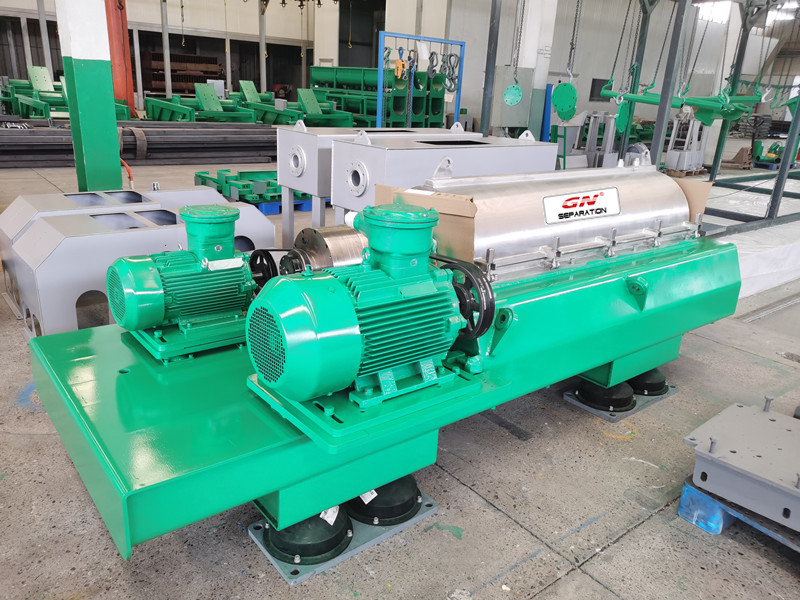
The main motor drives two pulleys, which in turn rotate the bowl (drum) and the scroll (screw conveyor).

The rotation is managed through a differential gearbox (cycloidal or planetary) that maintains a constant differential speed between the bowl and scroll.

This differential allows the screw to convey solids toward the discharge while the bowl spins at high speed to separate solids from liquids.

2. Importance of Balance

To achieve optimal separation and prevent equipment damage, proper balance is critical:

The decanter centrifuge bowl, rotor, and all components must be precisely balanced before operation.

Centrifuge tubes and their contents must be balanced by weight according to the manufacturer’s specifications. For ultracentrifuges, the weight difference between paired tubes should not exceed 0.1 g.

If using centrifuge tube sleeves, ensure that the sleeves are balanced and not interchanged between different centrifuge models.

3. Loading and Setup

Before starting the centrifuge:

Ensure even and symmetrical loading of the centrifuge tubes into the rotor or drum.

Close and securely fasten the centrifuge cover.

Turn on the power supply, and set the operating parameters including:

Bowl speed (RPM)

Differential speed

Centrifugation time

(If applicable) Temperature, vacuum level, and feed rate

4. During Operation

Monitor the unit for vibration, noise, or imbalance, and ensure smooth operation.

Most modern decanter centrifuges are equipped with automatic control systems that manage speed, temperature, timing, and safety interlocks.

5. Stopping and Unloading

As the set separation time approaches, gradually reduce speed using the control panel or allow the automatic system to initiate deceleration.

Wait for the drum to come to a complete stop naturally.

Open the cover and carefully remove the centrifuge tubes or inspect the discharge outlets.

Turn off the power and unplug the unit if not in continuous operation.

6. Cleaning and Maintenance

After each use:

Clean the bowl, scroll, centrifuge chamber, tubes, and sleeves thoroughly to prevent residue buildup.

Inspect wear-prone components such as seals, bearings, and nozzles regularly.

Ensure no foreign objects or residue are left inside the drum to avoid imbalance in future operations.

7. Safety Precautions

Never open the cover while the centrifuge is running.

Avoid operating the centrifuge if it is visibly unbalanced or damaged.

Always refer to the manufacturer’s user manual for specific tolerances and maintenance intervals.

By following these guidelines, you can ensure the decanter centrifuge operates safely, maintains long-term performance, and delivers reliable separation results.

Why Centrifuges Are the Game-Changer in Modern Wastewater Treatment

In the field of modern wastewater treatment, industries face increasing pressure to reduce environmental impact while improving operational efficiency. Whether in municipal sludge handling, chemical separation, food production waste, or mining tailings, choosing the right dewatering solution is critical. Decanter centrifuges have become a trusted technology — compact, continuous, and highly effective.

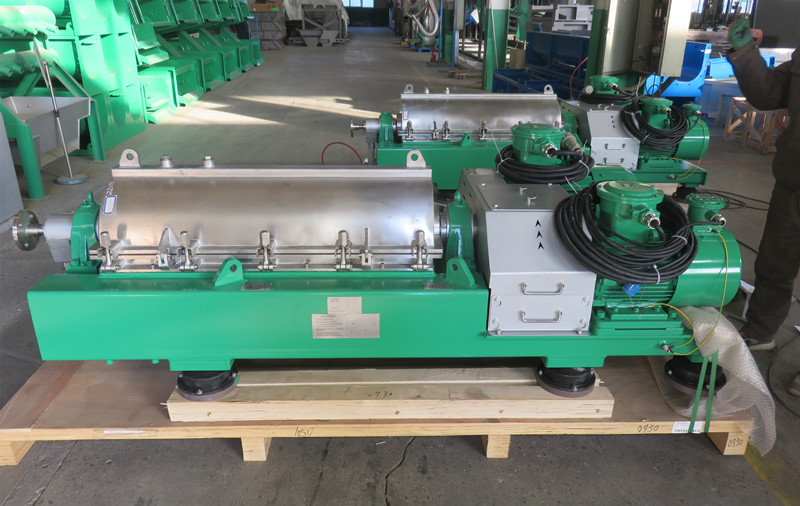
As a leading manufacturer of separation equipment, GN Separation offers high-performance decanter centrifuges designed for complex industrial challenges. Our machines are widely used in wastewater treatment, chemical processing, food industry waste, and mining slurry management, delivering consistent results even in harsh environments.

High-Efficiency Dewatering with a Compact Footprint

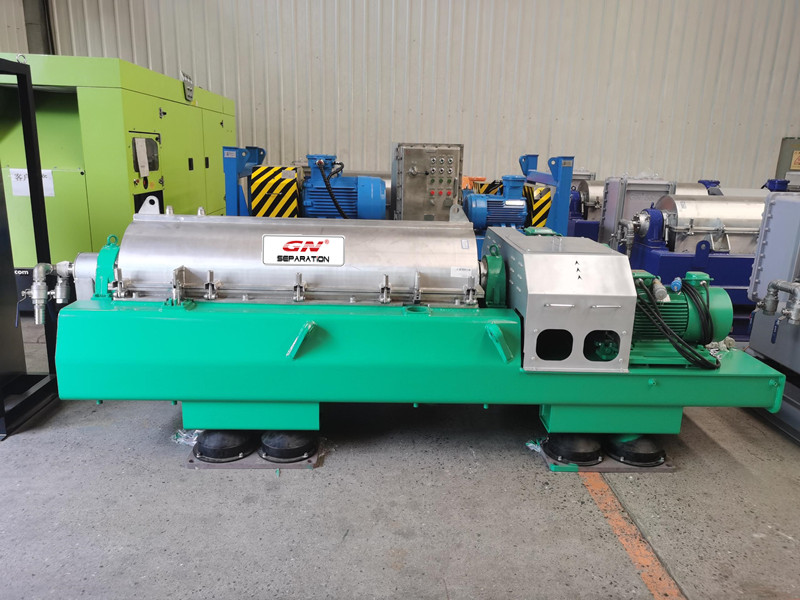
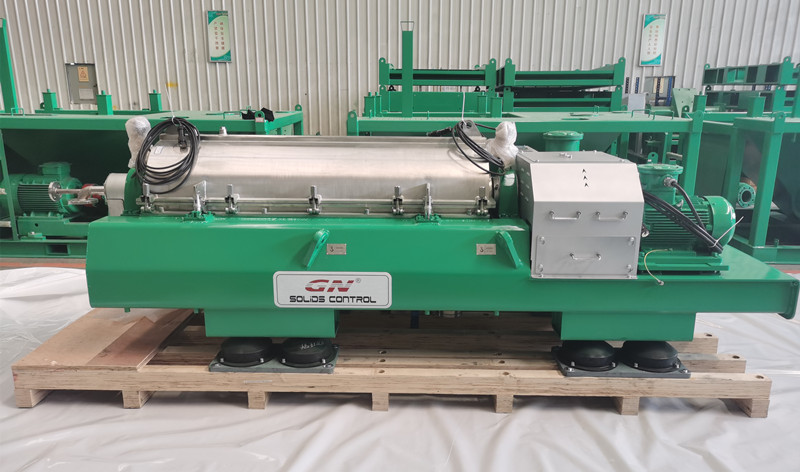
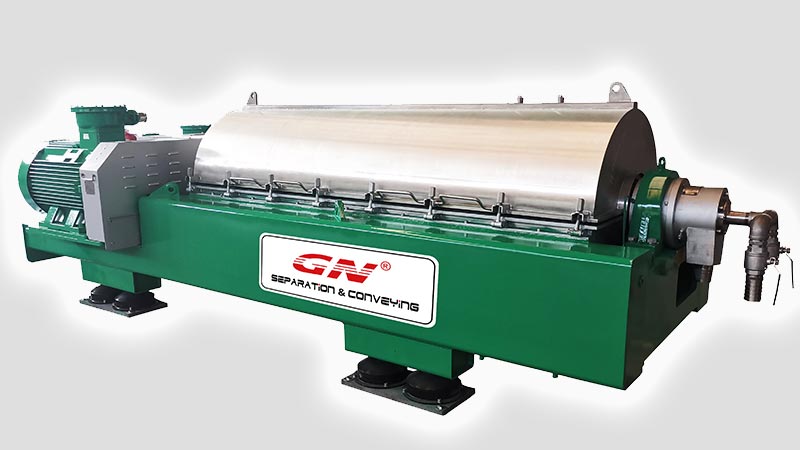
Decanter centrifuge separates solids and liquids using high-speed rotation — a process that’s especially efficient for sludge generated after biological or chemical treatment. Compared to traditional dewatering methods such as filter presses, drying beds, or belt presses, centrifuges offer continuous operation, smaller space requirements, and less manual labor.

This leads to lower operational costs, faster processing times, and easier system integration. Whether for municipal sludge or industrial effluent, GN centrifuges deliver stable performance with minimal maintenance.

Built for Tough Jobs: Materials and Precision

Durability starts with design. GN Separation uses high-grade stainless steel, either centrifugal cast or forged, to build the bowl and screw — the core components of the centrifuge. Tungsten carbide hard alloy protection is applied to wear parts, extending service life in abrasive or corrosive conditions such as oily sludge, mining waste, or chemical residues.

To ensure top-tier precision, we use advanced CNC lathes, vertical machining centers, and gantry milling machines. This level of machining accuracy ensures optimal balance, tight tolerances, and long-term reliability.

We go one step further by applying high-speed dynamic balancing to both the screw and the bowl — not just at low speed, but at actual working speed. This reduces vibration, enhances safety, and increases bearing life under real operating conditions.

A Versatile Solution Across Industries

GN’s decanter centrifuges are trusted by global customers in wastewater treatment plants, oil refineries, food production lines, and mineral processing facilities. With energy-efficient drives, PLC-based automation, and modular installation options, our systems are easy to integrate into new or existing treatment processes.

Whether you’re separating sludge from a food plant, recovering water from tailings, or treating chemical waste, GN centrifuges offer a scalable and sustainable solution.

GN Separation — Your partner for efficient, reliable, and future-ready solid-liquid separation. Cleaner water. Drier sludge. Stronger performance.


Best Practices for Operating a Decanter Centrifuge

To ensure optimal performance and long-term reliability of a decanter centrifuge, operators must adhere to specific principles and operational guidelines. Neglecting these procedures or deviating from the recommended sequence can lead to inefficiencies, increased maintenance time, and costly operational setbacks—especially when dealing with high-viscosity or high-solid-content liquids. Continue reading

Top 5 Common Centrifuge Problems and How to Fix Them

Centrifuges play a vital role in industrial processes such as wastewater treatment, palm oil processing, food production, and chemical separation. However, like any piece of complex machinery, they are vulnerable to wear, improper use, and lack of maintenance. Identifying and addressing common problems early is essential to avoid costly downtime and extend the machine’s lifespan. Here are the top five centrifuge problems and practical solutions.

Excessive Vibration
This is one of the most common and damaging issues. It may result from misaligned installation, solids buildup, or worn bearings. Machines should always be installed on level ground. Regular cleaning, bearing inspection, and dynamic balancing of rotating parts can greatly reduce vibration.

Poor Separation Performance
If your centrifuge is producing wet cake or unclear filtrate, the problem may be improper feed flow, worn internal components (like the scroll or bowl), or incorrect differential speed. Operators should routinely monitor performance and adjust parameters accordingly. Replacing worn parts can restore optimal efficiency.

Motor or Gearbox Overheating
Overheating is often caused by insufficient lubrication, blocked airflow, or operating under excessive load. Always use the correct type and amount of lubricant. Keep ventilation areas clear and check oil temperature and pressure during operation.

Unusual Noises
Grinding, knocking, or screeching sounds often indicate serious issues like damaged bearings or the presence of foreign objects. When unusual noise is detected, the machine should be shut down immediately and inspected thoroughly.

Frequent Shutdowns or System Alarms
This may stem from sensor malfunctions, electrical faults, or imbalanced loads. Check for software errors in the PLC, calibrate sensors, and verify the feed distribution to avoid unnecessary shutdowns.

Conclusion

Preventive maintenance is the key to stable performance. Weekly inspections, timely part replacements, and proper training for operators can dramatically reduce failure rates. At GN Separation, we provide reliable OEM centrifuge equipment, spare parts, and technical support to ensure your operations stay efficient and interruption-free