The decanter centrifuge is driven by the main motor, and the differential shaft and the auxiliary motor are coaxially connected. The speed of the main and auxiliary motors is controlled by the inverter, and the DC bus of the two are connected in parallel, and the three-phase power is input to the main inverter. Continue reading
Monthly Archives: November 2024
GN Solids Control System Applied For Deep-Well Drilling Rig.
Introduction
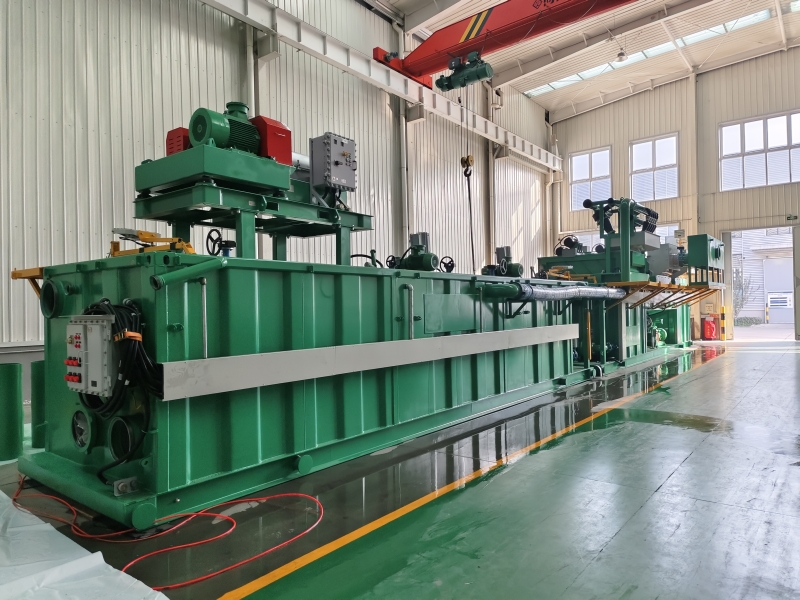
Recently, GN solids control system is ready to serve China Drilling Company in coalfield geology operations.This system is designed to optimize the management of drilling fluids, thereby enhancing the overall drilling process.
Structure of the System
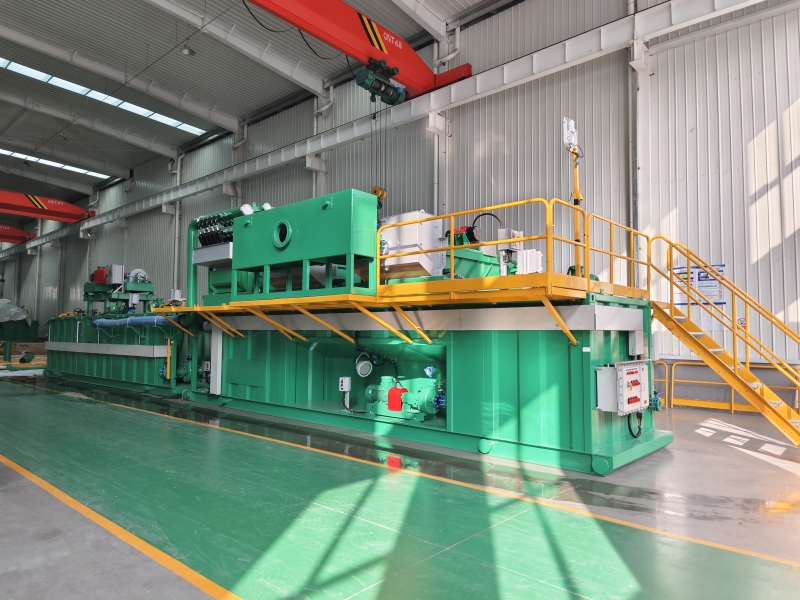
The solid control system includes four key components:
Mud Tanks. These tanks play a crucial role in storing and managing drilling fluids. They help separate and treat solids from the drilling mud, ensuring the fluid remains in its best condition for efficient drilling.
The solid control system incorporates two GNZS594 Shale Shakers, which serve as its foundation. These shakers are capable of processing up to 140 cubic meters of drilling mud per hour, making them suitable for handling large volumes. Each shaker is equipped with a single-layer setup featuring four shale shaker screens, totaling a screening area of 2.73 square meters. The adjustable G-force can reach up to 7.5G, and the screen box can be tilted between -1 and +5 degrees, allowing for customization based on drilling needs. Additionally, the GNZS594 shale shakers are available with various explosion-proof standards, such as ExdIIBT4/IECEX/ATEX, ensuring safety in hazardous environments.
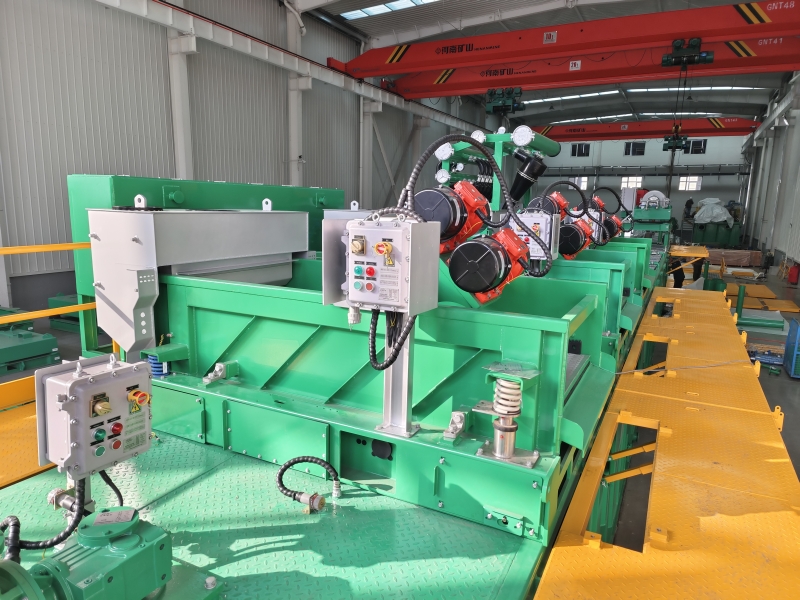
The GNZS594J-2S12N Mud Cleaner is a compact and efficient unit that integrates a desander hydrocyclone, a desilter hydrocyclone, and a bottom flow shale shaker. This combination makes it an ideal solution for second and third-stage solid control in drilling mud processes. Its space-saving design does not compromise on performance, ensuring that the drilling mud is thoroughly cleaned of unwanted solids. The GNZS594J-2S12N Mud Cleaner is therefore a high-performance option for maintaining the quality of drilling mud.
The GNLW452 Drilling Fluid Decanter Centrifuge is engineered to efficiently separate solid particles from light mud at a reduced cost. Powered by a 75hp main motor and a 30hp auxiliary motor, this centrifuge boasts a processing capacity of 40 cubic meters per hour and a high separation factor of 815G. Its compact design, featuring both motors positioned at one end, conserves space and enhances operational efficiency. Beyond drilling applications, the GNLW452 decanter centrifuge is versatile and can be utilized in various industries, including industrial waste water treatment, marine oil spill recovery, oil sludge separation, municipal sewage purification, and mining wastewater treatment.
GNLMZ Linear Vibrating Screen for Domestic Coal Chemical Plant
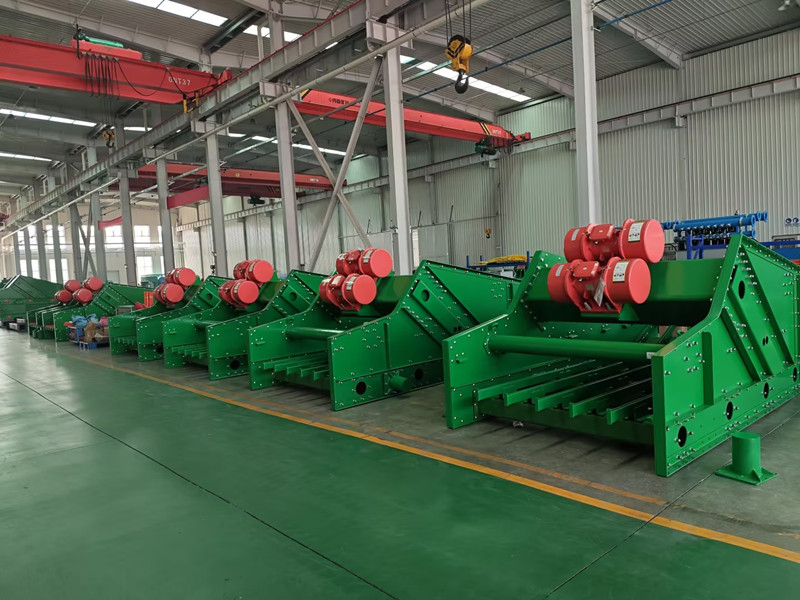
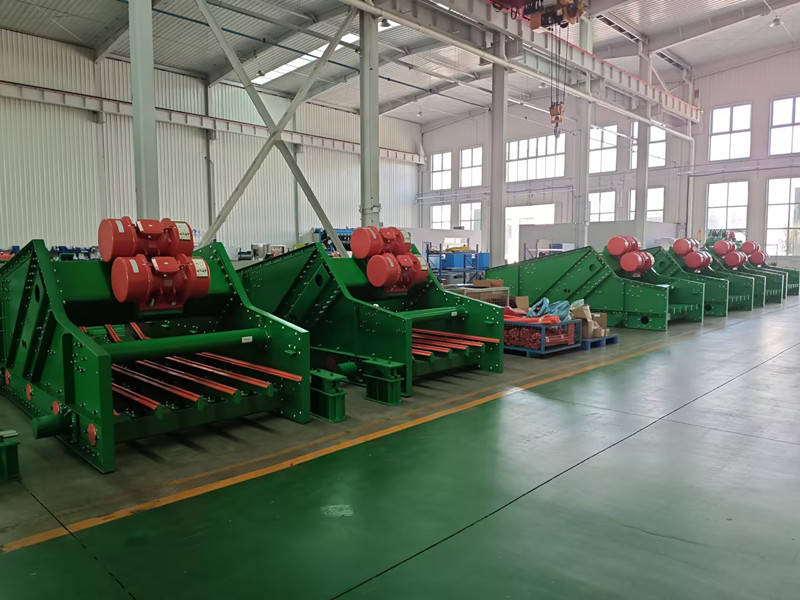
This week at GN Factory, a batch of GNLMZ series linear dewatering vibrating screens are nearing completion. Designed for a domestic coal chemical plant, these advanced vibrating screens are now in the final assembly stage. Factory trials will soon commence, with shipment scheduled shortly after.
Applications of Linear Vibrating Screens in Coal Chemical Plants
Linear vibrating screens are essential for separating solid particles from slurries and dewatering wet materials. These screens effectively handle high-moisture content materials, delivering dry, process-ready outputs. In coal chemical plants, they are commonly employed in:
- Coal washing
- Coke production
- By-product treatment(e.g., coal tar, ammonia)
Key Features of GNLMZ Series Linear Vibrating Screens
The GNLMZ series vibrating screens from GN Separation is tailored for the challenging demands of the coal chemical industry, combining advanced engineering with practical, durable design features:
HUCK Rivet Technology for Enhanced Durability
The GNLMZ series uses HUCK rivet technology to connect screen deck wall plates. This eliminates welding stress, ensuring a more robust and reliable structure capable of withstanding heavy-duty applications.
Optimized Design Using Finite Element Analysis (FEA)
The structural integrity and vibration efficiency of the GNLMZ screens have been meticulously optimized through FEA. This design process identifies potential weak points, ensuring the screens deliver consistent, reliable performance under high stress.
Corrosion-Resistant and Wear-Resistant Coatings
Polyurea coatings protect material contact areas and high-wear components. This advanced coating is renowned for its durability, abrasion resistance, and corrosion protection, significantly extending the equipment’s service life.
Versatile Product Range for Custom Applications
GN Separation offers a variety of GNLMZ models to accommodate diverse process conditions and production needs. Customers can select the most suitable screen for their specific application, maximizing operational efficiency and product quality.
Modular Polyurethane Screen Panels for Easy Maintenance
Modular polyurethane panels allow for quick and simple replacement, minimizing maintenance time and reducing downtime. This feature ensures continuous and efficient operation.
As these GNLMZ series vibrating screens approach completion, they are poised to contribute to the efficient and sustainable operations of the customer’s coal chemical plant. GN Separation remains committed to delivering high-quality equipment tailored to industry-specific challenges.
Decanter Centrifuge Unit For European Drilling Company
Introduction
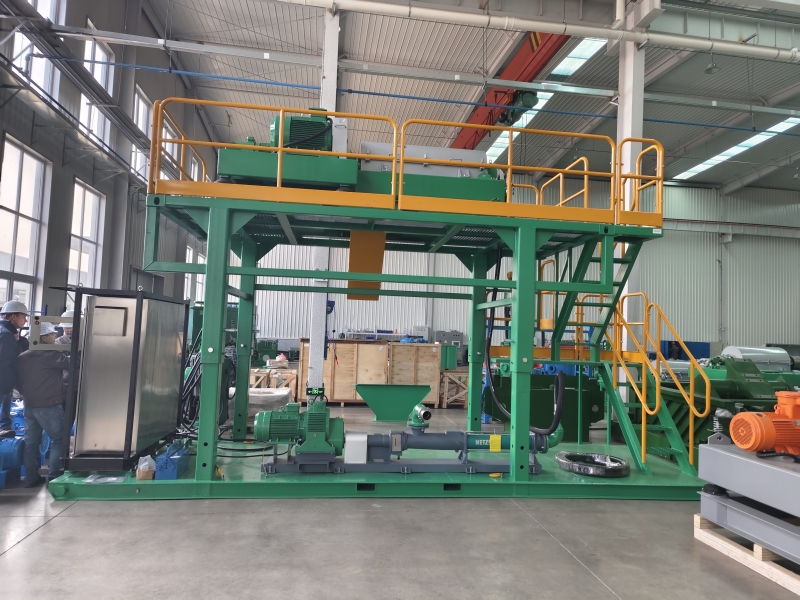
In the realm of oilfield drilling, solids control equipment is of utmost significance as it enhances drilling efficiency, cuts costs, and benefits the environment. Today, we present a solids control decanter centrifuge unit, equipped with a centrifuge, lifting frame, screw pump, and other auxiliary devices, that has been supplied to a European drilling company.
Compact Structure of Centrifuge Unit
GNLW Series Decanter Centrifuge
The GNLW series decanter centrifuge stands as an effective solid-liquid separation tool. It excels in performing feeding, centrifugal sedimentation, and unloading processes at top speeds, making it indispensable for applications such as barite recovery, fine solid removal, drilling fluid solid content reduction, drilling fluid density and viscosity control, drilling fluid performance assurance, and accelerated drilling.
Working Principle
The operational principle of the GNLW series decanter centrifuge revolves around centrifugal sedimentation for separating drilling suspensions. The suspension is introduced into the rotating drum through the feed pipe, specifically via the liquid outlet holes in the spiral pusher. Here, under the intense centrifugal force, solid particles are pressed against the drum’s inner wall. These particles are then propelled towards the solids discharge port located at the drum’s smaller end by the spiral pusher’s blades. Simultaneously, the liquid phase flows out through the overflow holes situated at the drum’s larger end.
Model and Performance
The customer has opted for the GNLW453DVFD model decanter centrifuge, featuring a drum diameter of 450mm and a drum length of 1540mm. This model boasts a processing capacity of up to 264GPM (60m³/h) and is capable of separating particles sized between 2~5µm.
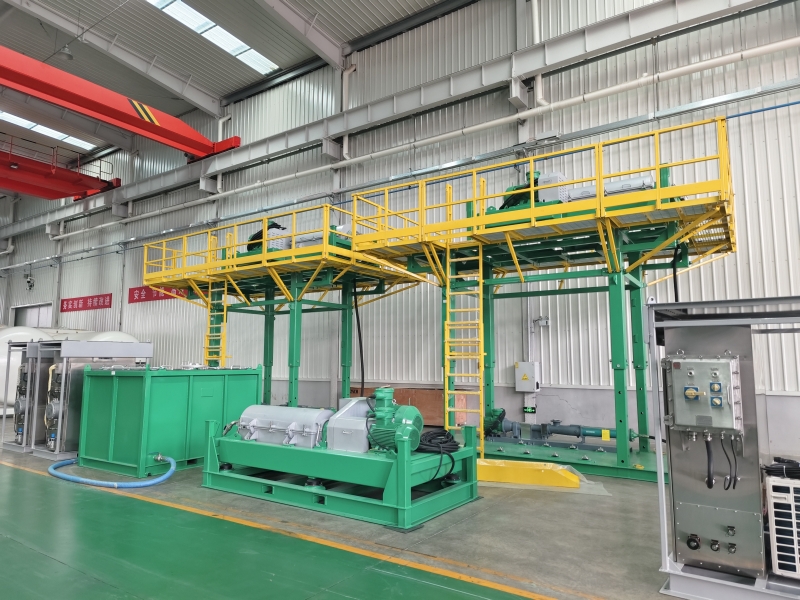
The screw pump is preferred due to its minimal attachments, compact structure, small footprint, and ease of maintenance. The pump’s rotor and stator are the wearable components, designed for simple replacement. Notably, the stator is crafted from artificial rubber, granting it a unique edge in transporting high-viscosity and tough suspended waste slurry compared to alternative pumps.
Solution to the bearing over-heat problem of Decanter centrifuge
The most important part of the decanter centrifuge is the transmission part, and the bearing is an important part of the transmission part. Generally, experienced centrifuge purchasers will ask the manufacturer a series of questions about the bearing when purchasing the centrifuge.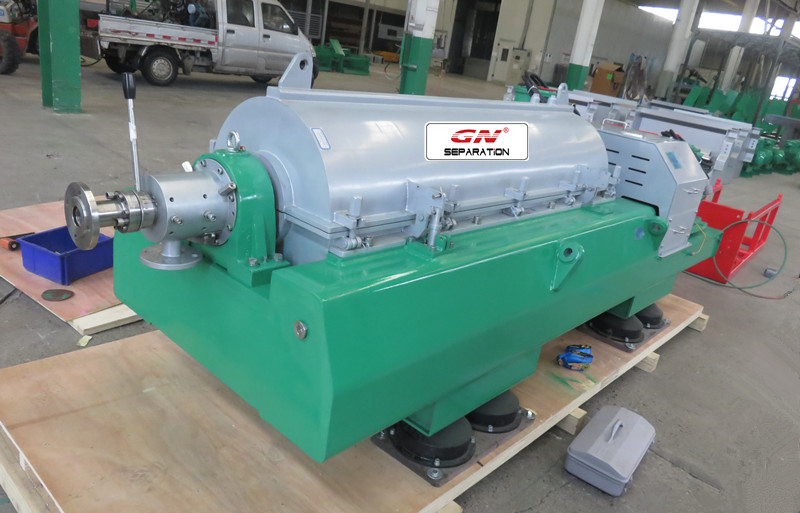
The Application of GN Centrifuges in the Mining Industry
Introduction
The mining industry is a sector that is heavily reliant on advanced technology to enhance efficiency and productivity. One such technology that has proven to be invaluable is the centrifuge. GN Centrifuges play a pivotal role in various processes within the mining industry, from mineral processing to environmental management.
Dewatering before further refinery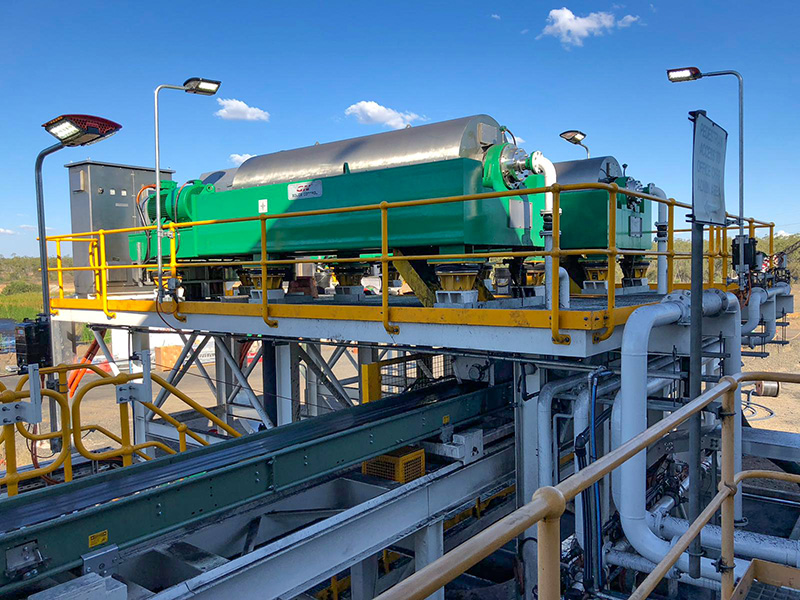
In mineral processing, GN centrifuges are primarily used for solid-liquid separation. They are highly effective in dewatering fine particles, which is a common challenge in mining operations. By spinning at high speeds, centrifuges generate a force that separates the solid particles from the liquid, resulting in a drier product that is easier to handle and transport. This process is crucial for improving the efficiency of downstream processes such as smelting and refining.
Classification and Extraction of Valuable Metals
Another significant application of centrifuges in mining is in the extraction of precious metals like gold and platinum. These metals are often found in low concentrations within ore, making their extraction a complex and costly process. Centrifuges are used to separate these valuable minerals from the waste material, increasing the yield and purity of the extracted metals.
Waste Water Treatment
Furthermore, centrifuges are instrumental in environmental management within the mining industry. They help in the treatment of wastewater generated during mining activities. By removing suspended solids and other contaminants, centrifuges ensure that the water is clean enough to be discharged back into the environment or reused in the mining process, thus promoting sustainability.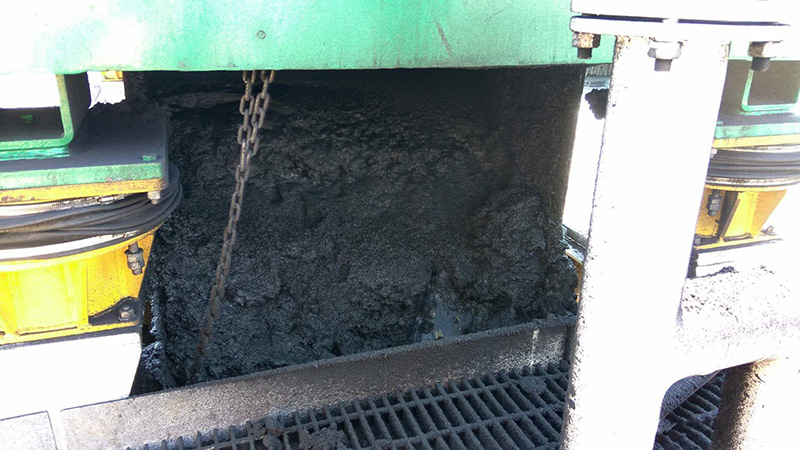
In conclusion, GN centrifuges have become an indispensable tool in the mining industry. Their ability to efficiently separate solids from liquids, extract valuable minerals, and treat wastewater makes them a versatile and essential piece of equipment. As technology continues to advance, the role of centrifuges in mining is likely to expand, further enhancing the industry’s productivity and environmental stewardship.
Solutions to Corrosion Defects of Decanter Centrifuge
After the warranty period, the decanter centrifuge corrosion defects and their treatment methods are as follows:
GN Solids Control at 2024 ADIPEC – Hydraulic Decanter Centrifuge Presentation
Introduction
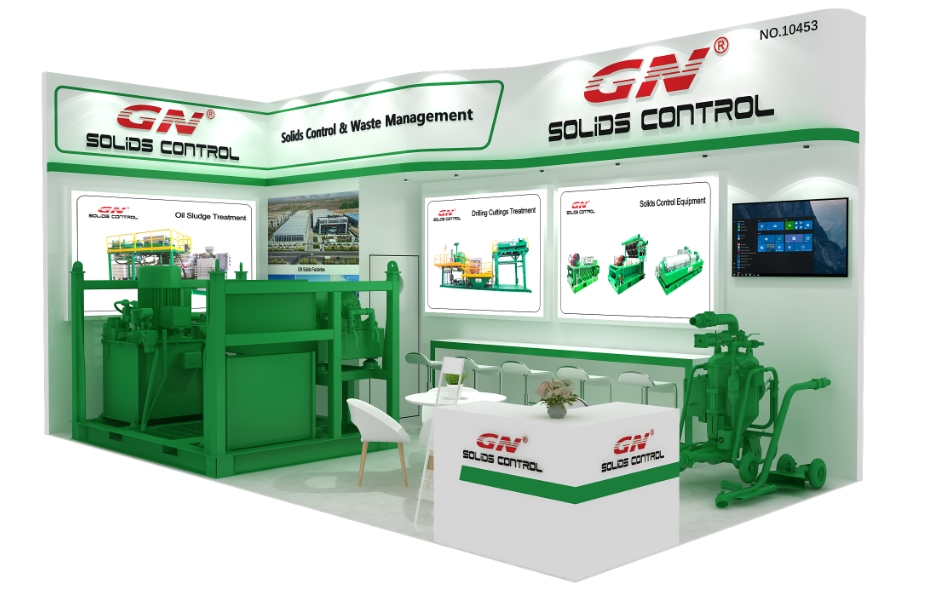
This year, GN Solids Control exhibited its innovative Full Hydraulic Drive (FHD) decanter centrifuge, optimized for solids control performance and efficiency. We also showcased our advanced sludge vacuum pump, tailored to meet the rigorous demands of industrial material transfer. Our team is enthusiastic about demonstrating how these cutting-edge products can improve your operations and drive success, particularly in the oil and gas sector.
GN Hydraulic Decanter Centrifuge Applications and Features
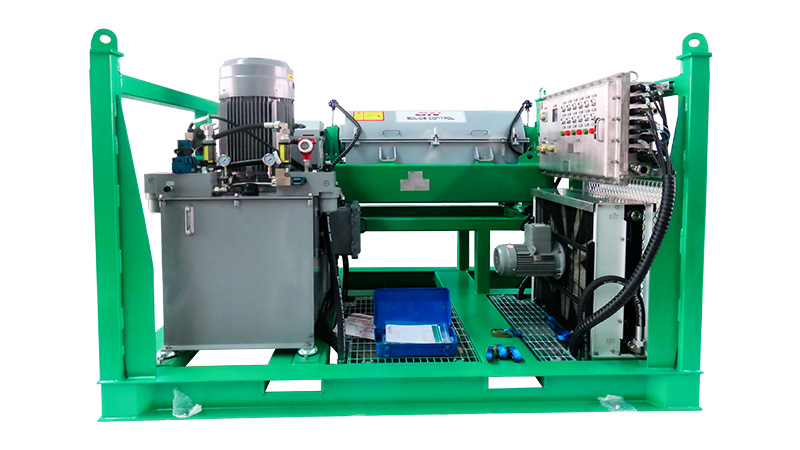
The GN Hydraulic Decanter Centrifuge is a highly popular choice for solids control in oil and gas drilling mud, as well as for drill cuttings waste management. GN Solids Control has supplied numerous FHD decanter centrifuges to the Middle East and proven their effectiveness in harsh conditions. Additionally, GN Solids Control offers complete solids and liquids separation systems tailored to meet the specific needs of customers worldwide.
The hydraulic bowl and scroll drive system of a decanter centrifuge operates the conveyor and bowl through two hydraulic oil circuits powered by a hydraulic pump unit. The full hydraulic drive centrifuge excels in high-temperature environments with heavy mud, offering flexibility in bowl movement and differential speed. Its compact, skid-mounted design facilitates easier setup on drilling rigs.
Besides, our supplier from Switzerland is a renowned brand specializing in centrifuge hydraulic driving systems. GN has collaborated with this Swiss supplier to develop top-quality full hydraulic drive centrifuges tailored to meet the highest standards for international clients.
Prospects at ADIPEC Exhibition
ADIPEC is a prestigious and significant event in the oil and gas industry, drawing professionals from across the globe. It presents an excellent opportunity to connect with colleagues, stay updated on the latest technological developments, and explore how GN Solids Control can cater to your requirements.
We are eager to connect with you, share our expertise, and explore potential partnerships. Don’t miss the chance to discover our innovative solutions and how they can enhance your operations. To register as a visitor, please visit the ADIPEC Registration page. We are excited to meet you at our booth and discuss how we can collaborate to help you achieve your objectives.
The necessity of periodic inspection of decanter centrifuge
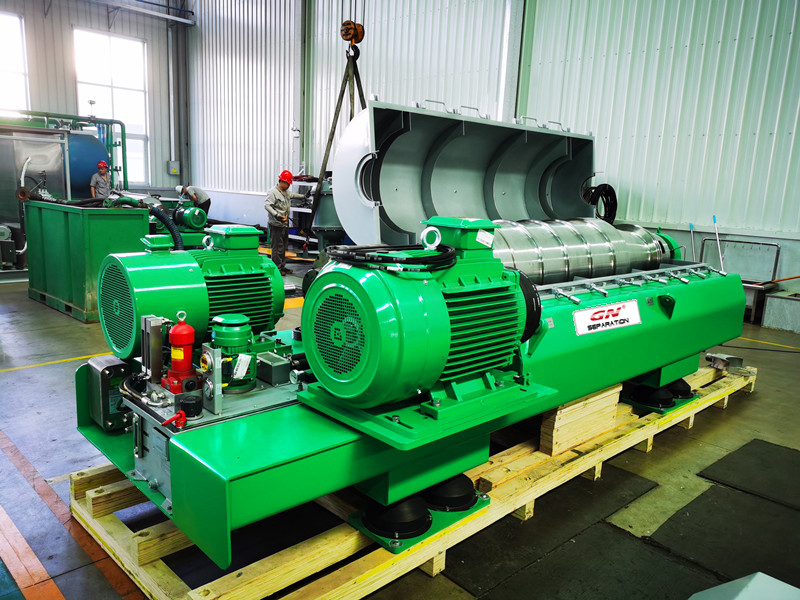
The necessity of periodic inspection of a Decanter centrifuge is crucial for maintaining its optimal performance, ensuring safety, and prolonging its service life. Here are some key reasons why periodic inspection is necessary:
- Maintenance of Optimal Performance:
- Efficiency: Regular inspections help ensure that the centrifuge operates at its designed efficiency. Over time, wear and tear can reduce its effectiveness, but timely maintenance can mitigate these effects.
- Separation Quality: The primary function of a Decanter centrifugeis to separate solids from liquids. Periodic inspections ensure that the separation process remains effective, maintaining product quality.
- Safety Considerations:
- Preventive Measures: Regular inspections can identify potential hazards before they lead to accidents. This includes checking for worn-out parts, leaks, or other safety issues.
- Compliance with Regulations: Many industries have strict safety regulations regarding equipment maintenance. Periodic inspections help ensure compliance with these regulations.
- Prolonging Service Life:
- Early Detection of Problems: Through regular inspections, potential issues can be detected early, allowing for proactive repairs before they escalate into more serious problems.
- Cost Savings: Preventive maintenance is generally more cost-effective than reactive repairs. By catching problems early, you can avoid more expensive repairs or even the need for replacement parts.
- Environmental Impact:
- Leak Prevention: Leaks from worn-out seals or other parts can lead to environmental contamination. Regular inspections help prevent these leaks, protecting both the environment and the company’s reputation.
- Resource Efficiency: Ensuring the centrifuge operates efficiently also means minimizing waste and energy consumption, which aligns with sustainable practices.
- Regulatory Compliance and Documentation:
- Record Keeping: Keeping detailed records of inspections and maintenance activities is important for regulatory compliance and can be useful for troubleshooting and performance tracking.
- Audit Preparedness: Regular inspections and maintenance records can help prepare the company for audits or inspections by regulatory bodies.
- Improved Reliability and Uptime:
- Minimizing Downtime: Preventive maintenance reduces the likelihood of unplanned downtime, ensuring that the centrifuge is available when needed.
- Consistency in Output: Regular inspections help maintain consistent performance, ensuring that the centrifuge produces reliable results over time.
In summary, periodic inspection of a decanter centrifuge is essential for maintaining its performance, ensuring safety, prolonging its service life, protecting the environment, and complying with regulations. By establishing a robust maintenance schedule and adhering to it, companies can optimize their centrifuge’s performance and minimize operational disruptions.
GN Mini Shaker & Centrifuge for Diamond Core Drilling Operations
Introduction
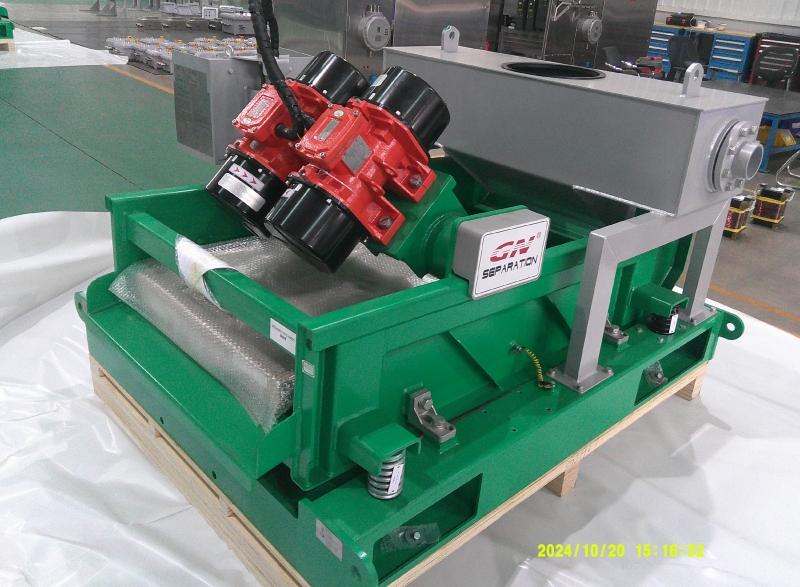
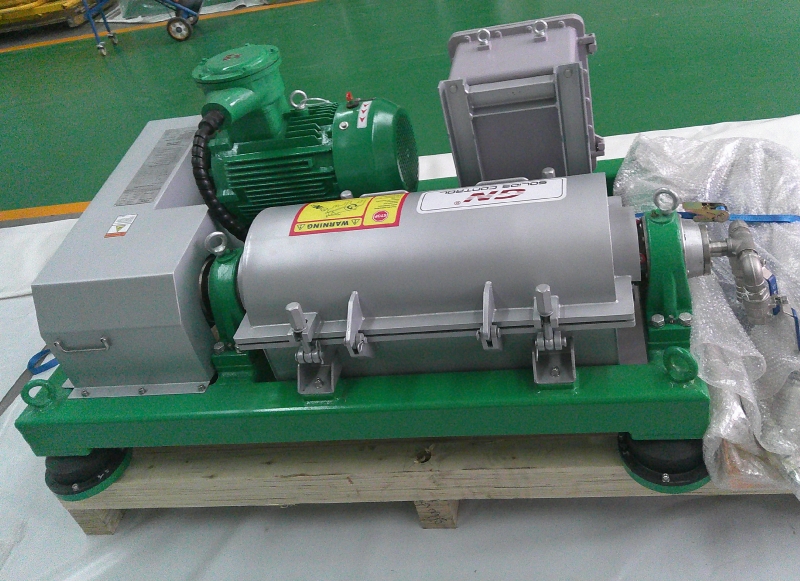
In international diamond core drilling, effective mud treatment is crucial for successful operations. Recently we have delivered GN Mini Shale Shaker GNZS752 and the Small Diamond Core Drilling Decanter Centrifuge GNLW223 for the overseas clients. These two models, known for their excellent performance and compact size, offer robust support for drilling tasks.
Compact Mini Shale Shaker GNZS752: Powerful and Space-Saving
The GNZS752 Mini Shale Shaker is a compact and powerful option for mud treatment in No-Dig, HDD, water wells, and diamond core drilling. It boasts two 1.5KW vibration motors with a force of 7.5G and a 1.35m² screening area, equipped with dual screens for efficient separation.
Key Features:
- High vibration intensity for effective solid particle separation.
- Large screening area for improved processing speed.
- Adjustable screen box angle for optimal separation based on mud properties.
- Space-saving design suitable for tight sites.
- Cost-effective performance.
Customized options include double or triplex shale shakers, connecting manifolds, and upgrades to vacuum shakers. It can also serve as an underflow shale shaker for mud cleaners, with straight-line or elliptical trajectory options.
Compact Decanter Centrifuge GNLW223 for Small Diamond Core Drilling
The GNLW223 decanter centrifuge is a compact horizontal spiral centrifuge designed for small-scale processing or limited-space applications. With a drum diameter of 9 inches and a length of 26.4 inches, it boasts a separation factor of 2492G, ensuring effective solid-liquid separation.
Configuration Options:
- Fixed Speed Control: Ideal for constant separation speed requirements.
- Full Hydraulic Control: Offers flexibility to adapt to varying conditions.
- Frequency Control: Energy-efficient and adaptable to specific needs.
Recognized for its compact design, stable quality, and high cost-performance ratio, this centrifuge is suitable for industrial wastewater treatment and mining drilling wastewater treatment, supporting environmental protection and resource recovery efforts.
Conclusion
In conclusion, GN Mini Shaker & Centrifuge for Diamond Core Drilling Operations ensures efficient waste management and resource extraction, ultimately enhancing the productivity and sustainability of diamond mining enterprises.