Monthly Archives: April 2022

Theoretical comparison of belt filter machine and decanter centrifuge

Since the belt  filter machine was the mainstream of sludge dewatering in sewage treatment plants in the past, the advantages of the centrifuge are shown in the treatment effect and comparison with the belt  filter machine. The Decanter centrifuge has the following advantages for the belt  filter machine:
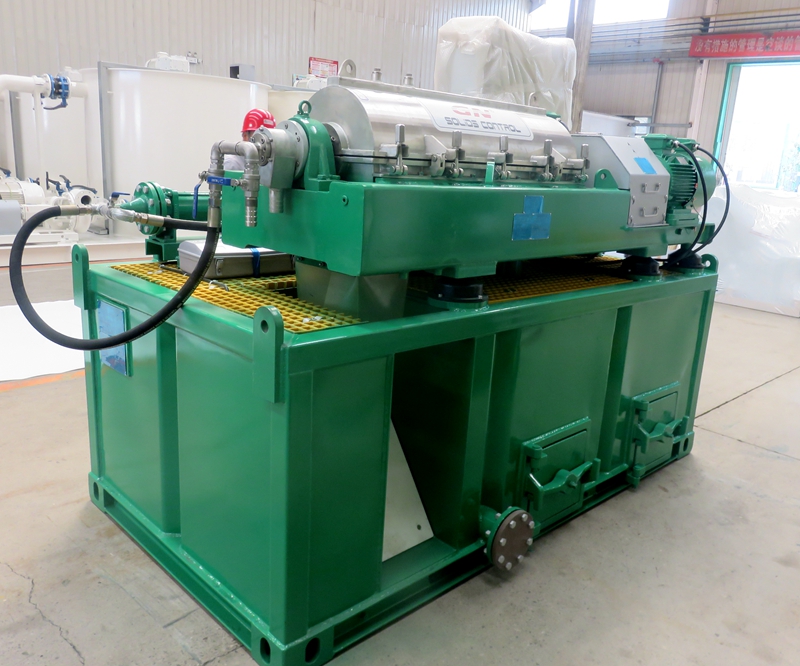
Decanter Centrifuge_202010180859122

The Decanter centrifuge uses the principle of centrifugal sedimentation to separate the solid and liquid. Because the filter has a filter screen, it will not cause clogging. The belt machine uses the belt filter machine to separate the solid and liquid.

The Decanter centrifuge is suitable for the concentration and dewatering of various types of sludge, and the belt filter machine is also suitable for various types of sludge, but the remaining activated sludge needs a large amount of medicine and the dehydration is difficult;

When the feed concentration changes during the dehydration process of the Decanter centrifuge , the slip and torque of the drum and the screw will be automatically tracked and adjusted, so there is no need for a special person to operate, and when the feed concentration changes during the dehydration process, the belt filter machine speed, belt tension, dosing amount and flushing water pressure all need to be adjusted, and the operation requirements are high;

In the Decanter centrifuge, fine sludge can also be separated from water, so the dosage of flocculant is small. Generally, the dosage of mixed sludge during dewatering is: 1.2kg / t [dry sludge], sludge recovery The rate is above 95%, the moisture content of the mud cake after dehydration is about 65% -75%, and the belt filter machine cannot be woven too densely because of the filter belt. In order to prevent the small sludge from leaking, more flocculant needs to be added In order to make the sludge form larger flocs, the dosage of mixed sludge during dehydration is generally greater than 3kg / L [dry sludge], the sludge recovery rate is about 90%, and the moisture content of the sludge cake after dehydration is about 80%;

The power consumption per cubic meter of sludge dewatering of the centrifuge is 1.2kw / m3, the noise during operation is 76-80db, 24 hours a day continuous operation except the shutdown, no washing water is needed during operation; The power consumption is 0.8kw / m3, the noise during operation is 70-75db, the filter cloth needs to be relaxed and maintained. Generally only two shifts are arranged every day, and the filter cloth needs to be continuously washed with high-pressure water during operation;

The Decanter centrifuge takes up little space, the installation and commissioning are simple, the supporting equipment is only the dosing and feeding and discharging conveyors, the whole machine is fully sealed, and the workshop environment is good; while the belt machine covers a large area, the supporting equipment is not only dosing and feeding and discharging Outside the machine, a flushing pump, air compressor, sludge conditioner, etc. are needed. The whole machine has poor sealing performance. High-pressure cleaning water mist and odor pollute the environment. If the management is not good, it will cause mud overflow;

The wearing parts of centrifuges are bearings and seals, and the maintenance cycle of the discharge screw is generally more than 3a; while the wearing parts of the machine, in addition to bearings and seals, the belt filter machine also needs to be replaced, which is expensive
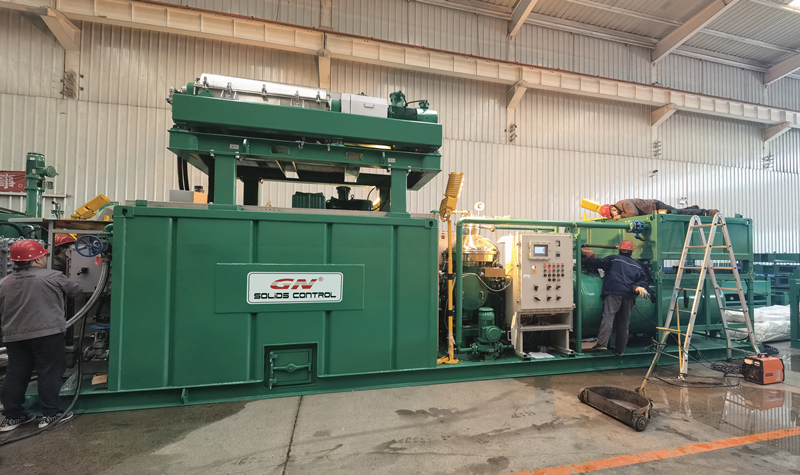
3 Phase Disc Stack Centrifuge and Decanter Centrifuge for Kazakstan Client

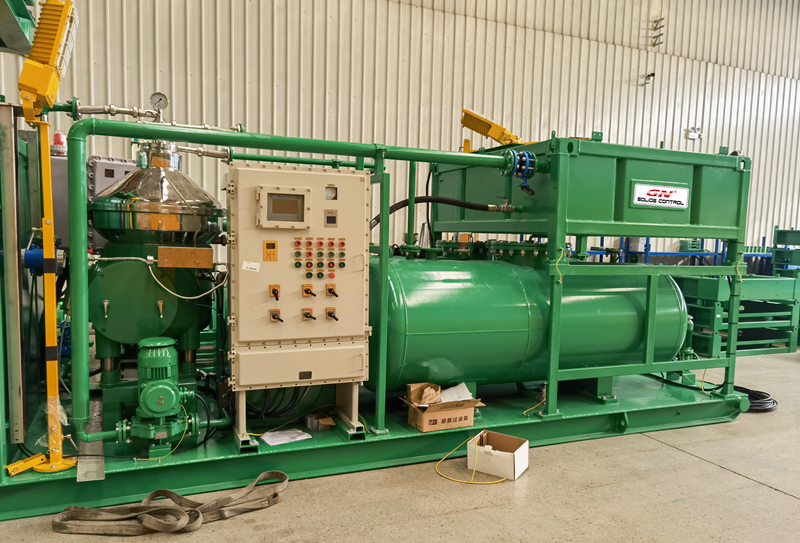
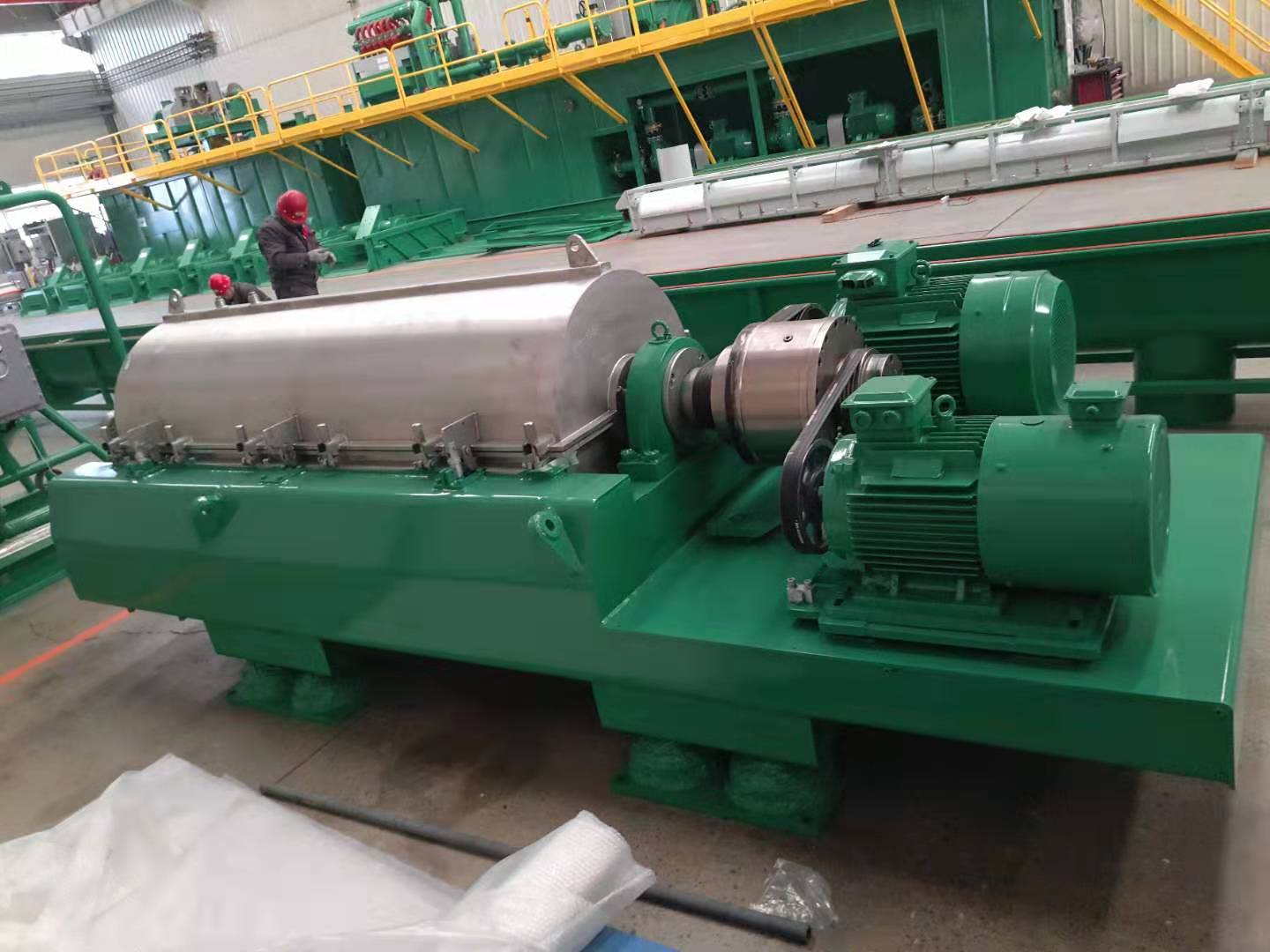
News from GN company this week: Recently, 1 set of Decanter Centrifuge and 1 set of 3Phase Disc stack centrifuge have been manufactured and are ready to start serving for a Kazakstan Client.

2022.04.11 Decanter Centrifuge

To make sure the Decanter Centrifuge and 3Phase Disc stack centrifuge will provide a reliable performance and the parts and components of all the equipment will run smoothly for a long term operation, our technical department, production department and quality control department have paid a lot of attention to the material selection, material preparation, every step of production and the inspection for this set of equipment in each step.

2022.04.11 3 Phase Disc Stack Centrifuge

If you need any support about the operation and maintenance of Decanter Centrifuge and 3Phase Disc stack centrifuge, please feel free to contact GN company for our engineers’ best experience and knowledge in the relevant industry. We will do our best to assist your project because just in this way we can establish a stable and long term cooperation. And we can provide on-line support and site instruction for specific situation if needed.

As a leading manufacturer of separation equipment and conveying equipment, GN always pay high attention to the product quality and consider the long-term benefits for our users. We would also like to introduce GN as a professional manufacturer in decanter centrifuge field, GN pays a lot of attention in the selection of raw materials, high-quality centrifugal casting or forging stainless steel materials are used, and for wearing parts, hard alloy protection is used.

By the way, if you are interested in our products, please check the following items of our company on Alibaba:

Decanter centrifuge

3Phase Disc centrifuge

Sludge dewatering Screw press

Oil water separator

Centrifugal pump

Vacuum Pump

Submersible pump

Decanter centrifuge for the dewatering of sludge

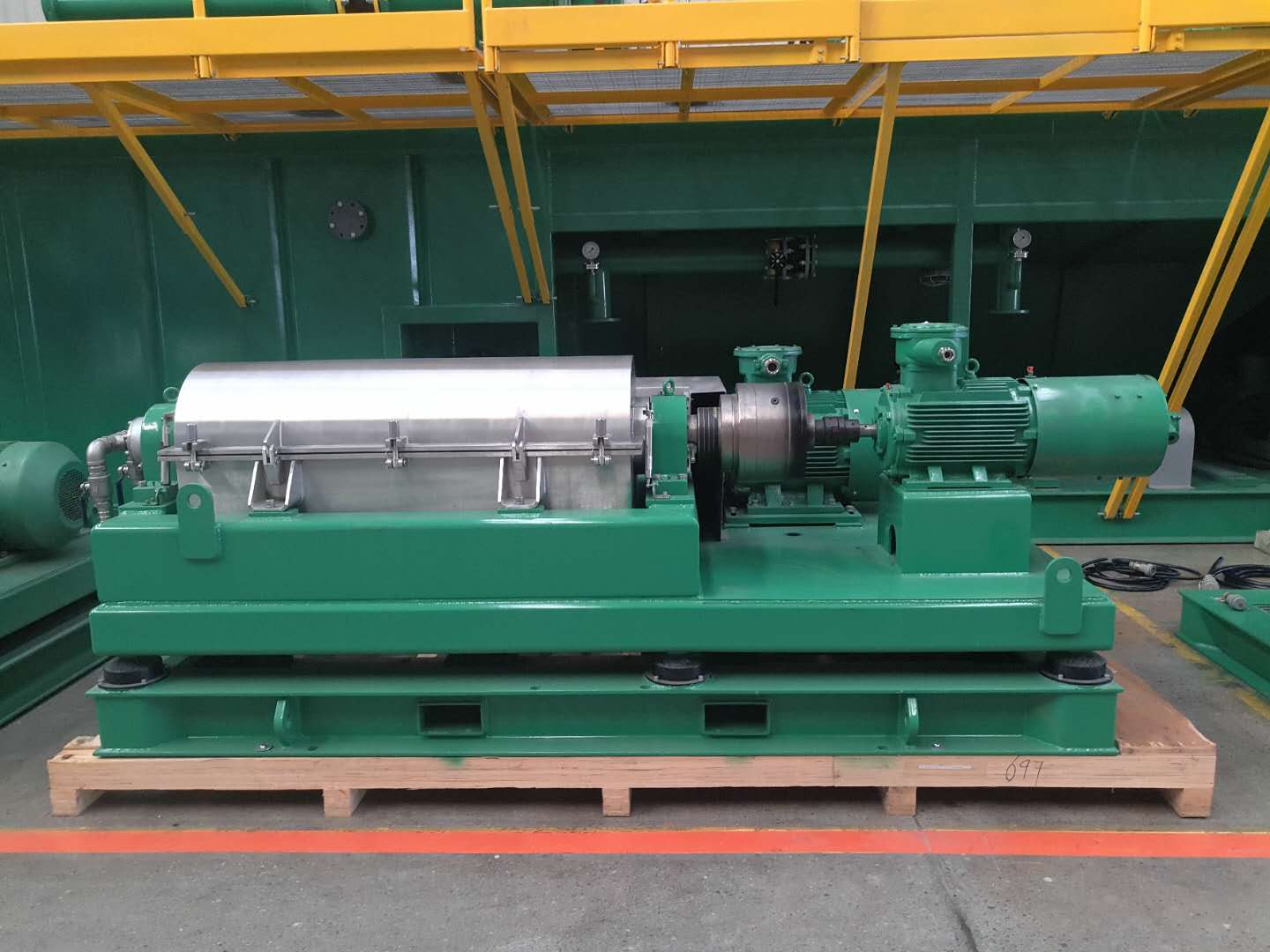
The mechanical dewatering of sludge is an important condition for further disposal. If incineration or other heat treatment is used as the ultimate disposal method, the dewatering power of the Decanter centrifuge is required to be as high as possible, because mechanical dewatering requires 1-2kwh of energy (electric energy) for each ton of water sludge disposal, and not only electric energy, and A lot of heat energy is needed for the evaporation of water.

Decanter Centrifuge_GN__20201210093327

In most cases, the increase in the rate of mechanical dehydration and dehydration is critical to the reduction of the subsequent disposal and disposal costs of sludge. The principle of separating sodium sulfate in the crystallization process is that the solubility of sodium sulfate in sodium thiocyanate solution is very low, and crystals are easy to form, so the concentrated sodium thiocyanate solution is settled through the settling tank to make sodium sulfate Grain gradually grows at the bottom of the settling tank (sodium sulfate content is about 13% to 15%).

 The role of the  Decanter centrifuge  is to separate the sodium sulfate crystals in the bottom solution (only a small part of them are beaten to evaporate the five effects as seed crystals). The resin is replaced and adsorbs sodium thiocyanate in between, and the waste liquid is discharged. If the separation effect of the centrifuge is not good, the content of sodium thiocyanate in the solid phase separator is too high, which exceeds the adsorption capacity of the sewage resin, and environmental protection requires that the content of sodium thiocyanate in the discharged sewage should not exceed 200ppm, the workshop has to Sodium thiocyanate with concentrated sodium sulfate is poured into the system and concentrated from the beginning to recover. The sodium sulfate content will accumulate in the system, which will eventually lead to unsteady production of the two systems of evaporation and crystallization, and then affect the normal production operation of the equipment.

Nearly 90% of sodium sulfate is separated from sodium thiocyanate in the crystallization separation step. The balance of sodium sulfate must be completed by the separation effect of the centrifuge, so in all recovery equipment, the  Decanter centrifuge  plays a crucial role. The important role is to clean impurities and ensure the clean circulation of blood, just like a human kidney. The separation function of the centrifuge directly affects the smooth production and long-term operation of the entire workshop and even the whole plant.

Capacity control of centrifugal sludge dewatering equipment

Two important factors that affect the consumption of flocculant during the sewage treatment process by Decanter centrifuge or other centrifugal sludge dewatering equipment are sludge properties and sludge concentration. When the sludge property changes greatly, it is necessary to adjust the applicable flocculant in time to match the sludge dewatering operation; when the sludge concentration changes, it is necessary to adjust the flocculant supply flow in a timely manner, so that it can meet the treatment effect and Prevent wastage.

Mud Centrifuge 2021.09.26

     The specific method is to often observe the mud effect, and then appropriately reduce the supply flow of the flocculant working fluid. You can reduce the frequency of the flocculant dosing pump every time by about 0.5-1.0Hz, and observe the mud cake and supernatant status and torque data after a few minutes , According to the situation, decide whether to continue to reduce the dosing pump frequency until the most economical dosing pump operating frequency is found. Or you can increase the frequency of the mud pump about 0.5-1.0Hz each time to observe and adjust. Conversely, when the sludge concentration increases, the adjustment is made in the opposite direction.

In addition, because the Decanter centrifuge‘s structure determines the high requirements for the quality of the mud feed, there should not be a large amount of large-sized particulate matter and fibrous material in the mud feed, otherwise it will easily cause equipment clogging, increased vibration, and affect the treatment efficiency. Therefore, the sludge must be crushed and cut before entering the centrifuge.

Any centrifugal sludge dehydrator has a maximum processing capacity requirement. This requirement has two aspects of data reference guidance:

A. The maximum load of dry solids that can be processed is the maximum weight of non-volatile solids processed per hour, expressed in KGDS (dry solids) / h;

B. The maximum treatable hydraulic load, that is, the sludge flow into the equipment, is expressed in m3 / h, and the product of the sludge concentration (solid content) is the dry solid load.

      Under the condition of normal sludge concentration, it should be ensured that the maximum treatment dry solid load is 70% -90% of the theoretical load set by the equipment factory trademark. It is necessary to avoid the equipment utilization rate being too low, or the equipment loss caused by long-term operation under high load. Speed ​​up and shorten the maintenance cycle. In the case of excessive equipment load, any increase in the amount of flocculant will not improve the treatment effect. It is manifested as unsatisfactory mud biscuits. The supernatant carries high solids and the recovery rate decreases. Sediment overflow causes equipment wear, dynamic balance damage and increased vibration. Sometimes, due to the increase in sludge concentration, when the sludge is fed according to the original flow rate, the actual sludge load exceeds the acceptable load index of the equipment, and the treatment effect decreases. At this time, it is necessary to gradually reduce the frequency of mud feed and observe the effect. After the effect is stabilized, continue to try to control the flow rate of the flocculant to the most economical dosage. Conversely, when the concentration of sludge decreases, the flow of sludge should be gradually increased, and the flow rate of the dosing pump should be adjusted at the same time. If the concentration of influent sludge is too low, although the dry solid load of the equipment is not high, the hydraulic load is very large. Under the high hydraulic load, the incoming low-concentration sludge cannot form a mud ring layer of uniform thickness, and the settled solids will be heavily The supernatant carries overflow, which directly affects the treatment effect and treatment efficiency.